Week 49 study helps
Bible Dictionary
Talks recommended in the lesson
- Do Justly, Love Mercy, and Walk Humbly with God · Dale G. Renlund
- All Things for Our Good · Gerrit W. Gong
Bible Dictionary index · Topical Guide · Guide to the Scriptures
Micah; Nahum; Habakkuk; Zephaniah
November 30–December 6, 2026
He Delighteth in Mercy
Bible Dictionary index · Topical Guide · Guide to the Scriptures
Last week's prophets spoke mostly to the Northern Kingdom of Israel and to its neighbors. This week the scene moves south, to Judah. Read in order, the four books follow one empire falling and the next rising. Micah promises a ruler who "shall be the peace, when the Assyrian shall come into our land" (Micah 5:5). Nahum announces the fall of Assyria's capital, Nineveh. Habakkuk hears that the Lord will "raise up the Chaldeans" (Habakkuk 1:6), the Babylonians. And Zephaniah calls Judah to seek the Lord before its own "day of the LORD's anger" (Zephaniah 2:3). CFM Corner's field guides Assyria: The Rod of the North and Babylon: The Empire and the Exile tell the story of both empires.
The Overview places each prophet in his historical setting and walks through all four books in order, and Historical & Cultural Context fills in the empires and the dates. This page steps back to look at what the four books say together.
Micah's name, a short form of Micaiah, asks a question: "Who is like the LORD?" His book's closing praise asks it aloud, "Who is a God like unto thee…?" (Micah 7:18; Key Passages, passage 3). Read the four books side by side and each one gives its own answer.
Four books often read as books of doom each describe the Lord in words of mercy, strength and joy. If you have ever wondered what the Lord is really like, these four books answer in their own words.
| The question | Where it is taken up |
|---|---|
| How did the chief priests in Matthew 2 know where Christ would be born? | Key Passages, passage 1: they quoted Micah 5:2 |
| Why does Nahum portray people rejoicing over Nineveh's fall? | Key Passages, passage 4: the Lord's patience and justice, read alongside Nahum 3:19 and the suffering Nineveh inflicted |
| Was it wrong for Habakkuk to question God? | Key Passages, passage 5: the manual sets his questions beside the disciples' and Joseph Smith's |
| Does Paul quote Habakkuk 2:4 exactly? | Key Passages, passage 5, and Word Studies, study 2: close, but not word for word |
| What does "walk humbly" mean? | Word Studies, study 3: a rare Hebrew word, and how two ancient translations rendered it |
| Why is Habakkuk read at the Feast of Weeks? | Jewish Perspective, section 4 |
| Who were the Chaldeans, and what did they mean for Lehi's Jerusalem? | Historical & Cultural Context, section 4 |
You are not expected to settle all of these. Some have clear answers; some the scriptures leave open.
For three weeks now, the prophets have kept returning to one moment: the Lord passing before Moses on Sinai and describing Himself, "merciful and gracious, longsuffering, and abundant in goodness and truth" (Exodus 34:6).
Joel quoted those words to call Judah home (Joel 2:13). Jonah quoted them to explain, angrily, why he had run from his call to Nineveh (Jonah 4:2). This week Micah closes his book with an echo of them, and Nahum opens his with the half Joel and Jonah left out: that the Lord, for all His patience, "will not at all acquit" the guilty (Nahum 1:3; Key Passages, passages 3 and 4, show the details).
Different prophets, different centuries, different audiences, and the same description of the same Lord. When His people were in trouble, the prophets did not invent a new picture of God. They went back to what He had said about Himself.
Three of this week's four books tell the reader to wait.
Micah, alone in a dark time: "I will wait for the God of my salvation: my God will hear me" (Micah 7:7). Habakkuk, told that the answer is coming: "though it tarry, wait for it; because it will surely come" (Habakkuk 2:3). Zephaniah, speaking for the Lord: "Therefore wait ye upon me" (Zephaniah 3:8).
None of them knew how long the wait would be. Micah's Bethlehem promise (5:2) waited centuries for its fulfillment. But it came, in the very town he named.
Habakkuk imagined every crop and every flock failing, and then wrote:
"Yet I will rejoice in the LORD, I will joy in the God of my salvation." — Habakkuk 3:18
Habakkuk called Him "the God of my salvation" (Habakkuk 3:18). Centuries later an old man named Simeon held the infant Jesus in the temple and said he had now seen that salvation with his own eyes: "For mine eyes have seen thy salvation" (Luke 2:30). The One Habakkuk trusted had come, born in the town Micah named.
This week's Study Guide begins with the Overview.
Week 49
A worshipper stands before the Lord and does not know what to bring.
"Wherewith shall I come before the LORD, and bow myself before the high God? shall I come before him with burnt offerings, with calves of a year old? Will the LORD be pleased with thousands of rams, or with ten thousands of rivers of oil? shall I give my firstborn for my transgression, the fruit of my body for the sin of my soul?" (Micah 6:6–7). The offers grow larger with every line, as if the right price might finally be enough. The prophet Micah answers with one sentence: "He hath shewed thee, O man, what is good; and what doth the LORD require of thee, but to do justly, and to love mercy, and to walk humbly with thy God?" (6:8). At the end of his book, Micah praises the mercy of the Lord who calls His people to this way of life: "he retaineth not his anger for ever, because he delighteth in mercy" (7:18).
This week's four prophets spoke in hard times. Micah watched Assyria swallow the Northern Kingdom. Nahum foretold the fall of Assyria's great city, Nineveh. Habakkuk saw Babylon rising and asked the Lord how long He would let the wicked prosper. Zephaniah warned Judah of "the day of the LORD" in King Josiah's reign, a generation before Jerusalem fell. Much of what they wrote is warning. But the Come, Follow Me manual reminds us that "They weren't just prophets of doom—they were prophets of deliverance." And every one of these books holds out hope.
All sixteen chapters are assigned this week. The Bible Dictionary divides Micah into three parts: judgment (1–3), restoration (4–5) and the Lord's case against His people with a closing prayer (6–7). Nahum, Habakkuk and Zephaniah have three chapters each.
| Chapter | What happens | Assigned |
|---|---|---|
| Micah 1 | The Lord comes down; Samaria and Jerusalem judged | Yes |
| Micah 2 | Land taken by force; "Prophesy ye not"; the remnant gathered | Yes |
| Micah 3 | Leaders, priests and prophets who work for hire | Yes |
| Micah 4 | "The mountain of the house of the LORD"; swords into plowshares | Yes |
| Micah 5 | "But thou, Beth-lehem Ephratah"; the remnant of Jacob | Yes |
| Micah 6 | The Lord's controversy; "do justly, and to love mercy, and to walk humbly" | Yes |
| Micah 7 | "Who is a God like unto thee… he delighteth in mercy" | Yes |
| Nahum 1 | "Slow to anger, and great in power"; "a strong hold in the day of trouble" | Yes |
| Nahum 2 | Nineveh attacked; the lions' den emptied | Yes |
| Nahum 3 | "Woe to the bloody city!"; a closing question | Yes |
| Habakkuk 1 | "O LORD, how long shall I cry?"; the Chaldeans | Yes |
| Habakkuk 2 | The watchtower; "the just shall live by his faith"; five woes | Yes |
| Habakkuk 3 | A prayer; "Yet I will rejoice in the LORD" | Yes |
| Zephaniah 1 | "The great day of the LORD is near" | Yes |
| Zephaniah 2 | "Seek ye the LORD, all ye meek of the earth" | Yes |
| Zephaniah 3 | "he will joy over thee with singing" | Yes |
These four ministries span roughly a century and a half, from about 740 B.C., when Micah began, to about 600 B.C., the likely time of Habakkuk. Micah prophesied "in the days of Jotham, Ahaz, and Hezekiah, kings of Judah" (Micah 1:1), in the same years as Isaiah. Nahum wrote before Nineveh fell. Zephaniah wrote "in the days of Josiah" (Zephaniah 1:1). Habakkuk, the Old Testament Student Manual suggests, wrote as Babylon rose, which would make him "a contemporary of Lehi and Jeremiah" (Old Testament Student Manual: 1 Kings–Malachi, section 22-2). Historical & Cultural Context sets out the dates. The walkthrough below follows the order of the books in the Bible, which is not quite the order of time.
Micah opens with the whole earth summoned as a witness: "Hear, all ye people; hearken, O earth… the Lord from his holy temple" (1:2). The Lord comes down, and the mountains melt "as wax before the fire" (1:4). The charge is against both capitals, Samaria in the north and Jerusalem in the south: "What is the transgression of Jacob? is it not Samaria? and what are the high places of Judah? are they not Jerusalem?" (1:5). Then Micah mourns over the towns of his own countryside, one by one (1:10–16). His own hometown, Moresheth-gath, is among them (1:14).
"Woe to them that devise iniquity, and work evil upon their beds!" (2:1). The powerful lie awake planning, and at daybreak they act: "they covet fields, and take them by violence" (2:2). Like Amos last week (Amos 2:12), Micah hears the people say, "Prophesy ye not" (2:6). They would rather have a prophet who promised "wine and… strong drink" (2:11). Yet the chapter ends with a shepherd's promise: "I will surely gather the remnant of Israel; I will put them together as the sheep of Bozrah" (2:12).
Micah turns on the people who should have protected the poor. He calls the rulers "heads of Jacob" and asks, "Is it not for you to know judgment?" (3:1). Then he lists them: "The heads thereof judge for reward, and the priests thereof teach for hire, and the prophets thereof divine for money: yet will they lean upon the LORD, and say, Is not the LORD among us?" (3:11). Against them stands one honest prophet, Micah himself: "But truly I am full of power by the spirit of the LORD, and of judgment, and of might" (3:8). Micah's warning that Zion would be "plowed as a field" (3:12) was still remembered a century later, when Jeremiah was on trial for saying the same thing and the elders quoted Micah in his defense (Historical & Cultural Context, section 2).
The book swings from ruin to hope: "But in the last days it shall come to pass, that the mountain of the house of the LORD shall be established in the top of the mountains" (4:1). The nations will come to be taught, and "they shall beat their swords into plowshares" (4:3). These verses are almost the same as Isaiah 2:2–4; Scripture Helps notes that it is unclear who quoted whom. Micah adds his own picture of peace: "they shall sit every man under his vine and under his fig tree; and none shall make them afraid" (4:4). And the Lord promises to gather the lame, "her that halteth", and the scattered, "her that is driven out" (4:6). Zephaniah will repeat this promise almost word for word (Zephaniah 3:19).
"But thou, Beth-lehem Ephratah, though thou be little among the thousands of Judah, yet out of thee shall he come forth unto me that is to be ruler in Israel; whose goings forth have been from of old, from everlasting" (5:2). The Bible Dictionary notes that "Micah is the only book of the prophets to name Bethlehem as the place of the anticipated Messiah's birth." The ruler from the little town "shall stand and feed in the strength of the LORD" (5:4), a shepherd-king. The rest of the chapter speaks of "the remnant of Jacob" as dew and as a lion among the nations (5:7–8). The resurrected Savior would one day quote the lion passage (5:8) to the Nephites (3 Nephi 20:16–17). Key Passages, Passage 1, reads this chapter closely.
The Lord takes His people to court, with the mountains as the jury (6:1–2). But His opening words are not an accusation; they are a question from someone who has been hurt: "O my people, what have I done unto thee? and wherein have I wearied thee? testify against me" (6:3). He reminds them that He brought them out of Egypt and sent them Moses, Aaron and Miriam (6:4). Then comes the worshipper's question from the opening of this Overview, and the answer of 6:8. The chapter ends with charges Amos also made, false weights and the poor cheated (6:10–12; compare Amos 8:5), and with almost the same curse Amos pronounced last week: "Thou shalt sow, but thou shalt not reap… and sweet wine, but shalt not drink wine" (6:15; compare Amos 5:11). Key Passages, Passage 2, takes the chapter slowly.
Micah's last chapter begins in loneliness. He is like someone searching an empty vineyard after the harvest: "there is no cluster to eat" (7:1). Even families have turned on each other (7:6), a verse the Savior later quoted (Matthew 10:35–36). Then the turn: "Therefore I will look unto the LORD; I will wait for the God of my salvation: my God will hear me" (7:7). And: "when I fall, I shall arise; when I sit in darkness, the LORD shall be a light unto me" (7:8).
The book ends in praise. "Who is a God like unto thee, that pardoneth iniquity… he delighteth in mercy. He will turn again, he will have compassion upon us; he will subdue our iniquities; and thou wilt cast all their sins into the depths of the sea" (7:18–19). Key Passages, Passage 3, shows how this closing question echoes the prophet's own name, and why the depths of the sea matter after last week.
Nahum's book is "The burden of Nineveh" (1:1), the great city of the Assyrian empire that had destroyed the Northern Kingdom. It opens with the Lord's power over storm, sea and mountain (1:2–6), but it also says, "The LORD is slow to anger, and great in power" (1:3) and "The LORD is good, a strong hold in the day of trouble; and he knoweth them that trust in him" (1:7). To the people Assyria had crushed, Nahum brings good news: "Behold upon the mountains the feet of him that bringeth good tidings, that publisheth peace!" (1:15), almost the same words as Isaiah 52:7. CFM Corner's field guide Assyria: The Rod of the North introduces the empire Nahum addresses.
The siege of Nineveh is told like a battle seen up close: shields red, chariots raging "like torches" (2:3–4), gates opened (2:6). Then Nahum asks a mocking question. Assyria had hunted the nations like a lion filling its den with prey; now, "Where is the dwelling of the lions…?" (2:11).
"Woe to the bloody city! it is all full of lies and robbery" (3:1). Nahum compares Nineveh to the Egyptian city of No (Thebes), which had seemed safe behind its rivers and fell anyway (3:8–10). Its fortresses will fall "like fig trees with the firstripe figs: if they be shaken, they shall even fall into the mouth of the eater" (3:12). And the prophet whose name means "Consoler" (Bible Dictionary) asks, "whence shall I seek comforters for thee?" (3:7).
Notice how the book ends: with a question, "for upon whom hath not thy wickedness passed continually?" (3:19). The book of Jonah, the other book about Nineveh, also ended with a question (Jonah 4:11). One asked whether the Lord should spare the city; the other asks who has not suffered from it.
Habakkuk begins where many honest believers have found themselves: "O LORD, how long shall I cry, and thou wilt not hear! even cry out unto thee of violence, and thou wilt not save!" (1:2). The Lord answers that He is raising up the Chaldeans, the Babylonians, "that bitter and hasty nation" (1:6), to punish Judah. That only deepens Habakkuk's question: how can a holy God use a nation more wicked than the one it punishes (1:13)?
Habakkuk does not walk away from his question. He waits for the answer: "I will stand upon my watch, and set me upon the tower, and will watch to see what he will say unto me" (2:1). The answer comes: "Write the vision, and make it plain upon tables… though it tarry, wait for it; because it will surely come" (2:2–3). And then one of the great lines of scripture: "the just shall live by his faith" (2:4), which the Apostle Paul later quoted (Romans 1:17). The rest of the chapter is five woes on the conqueror, and a promise: "the earth shall be filled with the knowledge of the glory of the LORD, as the waters cover the sea" (2:14).
Habakkuk's last chapter is a prayer. It asks, "in wrath remember mercy" (3:2), and remembers how the Lord once came to save His people (3:3–15). It ends with one of the bravest declarations of faith in the Bible: "Although the fig tree shall not blossom, neither shall fruit be in the vines… Yet I will rejoice in the LORD, I will joy in the God of my salvation" (3:17–18). The prophet who began by asking "how long" ends by rejoicing, even as he contemplates the failure of the things that sustain life. Key Passages, Passage 5, follows that journey.
Zephaniah, who preached "in the days of Josiah" (1:1), warns of "the day of the LORD" coming upon Judah. He names the people who will meet it unprepared: those who go up on their rooftops to worship the stars and planets, "the host of heaven" (1:5), and those who "say in their heart, The LORD will not do good, neither will he do evil" (1:12), who believe God will never act at all. Then a single verse says day six times over: "a day of wrath, a day of trouble and distress…" (1:15). And Amos's curse appears once more: "they shall also build houses, but not inhabit them; and they shall plant vineyards, but not drink the wine thereof" (1:13).
Before the judgment, an invitation: "Seek ye the LORD, all ye meek of the earth, which have wrought his judgment; seek righteousness, seek meekness: it may be ye shall be hid in the day of the LORD's anger" (2:3). The chapter then turns to the nations around Judah, ending with Nineveh. The proud city that "said in her heart, I am, and there is none beside me" will become "a place for beasts to lie down in" (2:15).
After a last warning to Jerusalem (3:1–7), the book turns to joy. The Lord promises "a pure language, that they may all call upon the name of the LORD" (3:9), and then: "Sing, O daughter of Zion; shout, O Israel; be glad and rejoice with all the heart" (3:14). Then comes a surprising verse about who else is singing: "The LORD thy God in the midst of thee is mighty; he will save, he will rejoice over thee with joy; he will rest in his love, he will joy over thee with singing" (3:17).
Then the promise Micah made returns: "I will save her that halteth, and gather her that was driven out" (3:19; compare Micah 4:6). The next section sets the two side by side.
Read Micah 4:6–7 and then Zephaniah 3:19–20.
| Micah 4 | Zephaniah 3 |
|---|---|
| "will I assemble her that halteth" | "I will save her that halteth" |
| "and I will gather her that is driven out" | "and gather her that was driven out" |
| "I will make her that halted a remnant… a strong nation" | "I will get them praise and fame in every land" |
In Hebrew, both passages use the same three verbs: ṣālaʿ (צָלַע), halt (to limp); nāḏaḥ (נָדַח), drive out; and qāḇaṣ (קָבַץ), gather. The promise explicitly includes people who are lame or scattered. Those who might be overlooked are not forgotten by the Lord.
| Part | Chapters | What it does | Connections in Restoration scripture |
|---|---|---|---|
| Judgment and the remnant | Micah 1–3 | corrupt leaders; "Prophesy ye not" | Doctrine and Covenants 121:39: "almost all men… will immediately begin to exercise unrighteous dominion" |
| Restoration and Bethlehem | Micah 4–5 | the mountain of the Lord; the ruler from Bethlehem | 3 Nephi 20:16–17: the Savior quotes Micah 5 |
| What the Lord requires | Micah 6–7 | justice, mercy, humility; "he delighteth in mercy" | Moroni 7:47: "charity is the pure love of Christ" |
| Nineveh judged | Nahum 1–3 | slow to anger, great in power; a strong hold | Mosiah 15:18: Abinadi, quoting Isaiah's "how beautiful upon the mountains" |
| A prophet's question | Habakkuk 1–3 | "how long"; living by faith; rejoicing anyway | Doctrine and Covenants 121:7–8: "thine adversity and thine afflictions shall be but a small moment" |
| The day of the Lord | Zephaniah 1–3 | warning; "seek meekness"; the Lord who sings | 3 Nephi 17:20: "now behold, my joy is full" |
Each of these books starts from a hard question or a false claim. Micah's worshipper asks what he could possibly bring to make himself right with God. Habakkuk asks how long the Lord will let violence go on. Nineveh says in her heart, "I am, and there is none beside me" (Zephaniah 2:15), and people in Zephaniah's Jerusalem claim the Lord will never act at all. Each book answers by showing who the Lord really is.
Micah's answer is in his last chapter, and it is a question: "Who is a God like unto thee…?" (Micah 7:18). He is a God whose favor cannot be bought with rivers of oil. He calls His people to justice, mercy and a humble walk beside Him. He hears the prophet who asks "how long" and gives him strength to rejoice while he awaits the promised deliverance. He is a strong hold in the day of trouble. And He does not merely tolerate His people; He "will joy over thee with singing" (Zephaniah 3:17). As December begins and Christmas approaches, Micah's little town of Bethlehem points to the One in whom that mercy came to earth.
| File | What you will find |
|---|---|
| Historical & Cultural Context | Micah's countryside, Assyria and Nineveh's fall, Thebes, the Chaldeans, Josiah's Judah, and where the places are on the map |
| Key Passages | six close readings: Bethlehem, what the Lord requires, "he delighteth in mercy," Nahum's strong hold, Habakkuk's questions, and the Lord who sings |
| Word Studies | delight, faith, humbly, strong hold |
| Jewish Perspective | how Jewish teachers read Micah 7:18, the commandments summed up in Micah and Habakkuk, and why Habakkuk is read at the feast of Shavuot |
| Teaching Applications | activities and ideas to adapt, from Bethlehem to a strong hold |
| Study Questions | twenty questions, from what the text says to what it asks of you |
Continue to Historical & Cultural Context.
These four books were written across roughly a century and a half, while one empire fell and another rose around the little kingdom of Judah. The dates below are approximate, and each comes from the source named.
| Prophet | When | Source |
|---|---|---|
| Micah | under "Jotham, Ahaz, and Hezekiah, kings of Judah" (Micah 1:1); "approximately 740 B.C. to 697 B.C." | Old Testament Student Manual, 11-2, quoting Latter-day Saint scholar Sidney B. Sperry |
| Nahum | "between the years 663 B.C. and 612 B.C." | Old Testament Student Manual, 20-2, quoting Sperry |
| Zephaniah | "in the reign of Josiah (639–608 B.C.)" | Bible Dictionary, "Zephaniah" |
| Habakkuk | "uncertain… (about 600 B.C.)"; probably between the battle of Carchemish (605 B.C.) and the deportation from Jerusalem to Babylon in 597 B.C.; section 4 explains both | Bible Dictionary, "Habakkuk"; Old Testament Student Manual, 22-2 |
In Micah's time, Assyria was the great power. It took the Northern Kingdom of Israel in Micah's lifetime and nearly took Jerusalem in Hezekiah's (2 Kings 18–19). By the end, Assyria was gone, and Babylon was coming for Judah. Micah wrote in Assyria's shadow; Nahum watched its end approach; Habakkuk and Zephaniah saw Babylon rising.
Try this: read Micah 1:1, Nahum 1:1, Habakkuk 1:1 and Zephaniah 1:1. How much does each prophet tell you about himself? What does that suggest about what mattered most to them?
Micah was "the Morasthite" (Micah 1:1), from the town of Moresheth-gath (1:14). The Bible Dictionary places it "in the plain country of Judah", and the Old Testament Student Manual, quoting Sperry, locates it in the low hills "some twenty miles southwest of Jerusalem", adding that Micah "seems to have had no special love for the cities" (11-2).
That makes sense of the book. Micah was a country prophet watching what the capitals did to the countryside. The powerful "covet fields, and take them by violence" (2:2), and the judges, priests and prophets in Jerusalem sell their services (3:11). In 1:10–16 he mourns town after town in his own region: Gath, Aphrah, Saphir, Zaanan, Maroth, Lachish, Achzib, Mareshah, Adullam.
Micah was remembered long after his death. When Jeremiah was put on trial for prophesying against Jerusalem a century later, elders defended him by recalling that "Micah the Morasthite prophesied in the days of Hezekiah king of Judah" that "Zion shall be plowed like a field", and that Hezekiah had not put him to death (Jeremiah 26:18–19). In CFM Corner's Assyria field guide, the chapter Sennacherib & Hezekiah tells the story of Jerusalem's near-capture in Hezekiah's day and how Micah's warning was remembered.
Try this: read Micah 2:1–2. Notice when the planning happens and when the taking happens. What does that tell you about how deliberate the injustice was?
Nahum's whole book is about one city. Last week's Historical & Cultural Context (Week 48) describes Nineveh, Assyria's great capital on the Tigris. By Nahum's day, the city that repented in Jonah's time had returned to violence. The Interpreter Foundation's 2022 study aid puts Nahum "a little over 100 years after the king and people of Nineveh" had heeded Jonah.
Nahum points to a recent event as a warning. Nineveh should remember "populous No", the great Egyptian city of Thebes, which "had the waters round about it" and still fell (Nahum 3:8–10). The Old Testament Student Manual, quoting Sidney B. Sperry, explains: "We know Thebes was captured by Assurbanipal, the Assyrian, in 663 B.C." (20-2). Assyria had destroyed a city that seemed unconquerable; now the same would happen to Assyria. The Egypt field guide's chapter Major Sites & Geography describes Thebes, the city Nahum calls No.
And it did. The Church's Bible Map 9, "The World of the Old Testament", says Assyria "was conquered by Babylon"; Scripture Helps and the Old Testament Student Manual date Nineveh's fall to 612 B.C., and the Bible Dictionary gives 606 B.C. Zephaniah foresaw it too: the Lord "will make Nineveh a desolation, and dry like a wilderness" (Zephaniah 2:13). The Assyria field guide describes the city and its fall in The Great Cities, and its chapter Assyria & the Bible has a section that reads Nahum beside Jonah.
Try this: read Nahum 3:8–10 beside Zephaniah 2:15. What did both cities believe about themselves?
The Chaldeans are the Babylonians. Habakkuk calls them "that bitter and hasty nation" (Habakkuk 1:6). In 605 B.C., at Carchemish, Babylon defeated Egypt. The note on the Church's Map 9 says that there "Pharaoh Necho was defeated… by Nebuchadnezzar, which ended Egyptian power in Canaan." Judah now stood alone between empires.
The Old Testament Student Manual places Habakkuk after Carchemish and before 597 B.C., when the king of Babylon took King Jehoiachin and Jerusalem's leaders to Babylon and made Zedekiah king (2 Kings 24:12–17). It adds: "If this is the case, then he was a contemporary of Lehi and Jeremiah, prophesying to the same people" (22-2). Nephi describes that same moment from his family's side: "in that same year there came many prophets, prophesying unto the people that they must repent, or the great city Jerusalem must be destroyed" (1 Nephi 1:4). Habakkuk's book does not say where he lived, so this is a likely setting, not a certainty. But if that dating is right, Habakkuk was asking his questions in the same years Lehi was warning Jerusalem. The Babylon field guide's Timeline & Empires follows these years from Carchemish to the deportations, and its chapter Babylon & the Bible shows Habakkuk asking how a just God can use an unjust empire.
Try this: read Habakkuk 1:2–4 and then 1 Nephi 1:4–6. What did each man do with what he saw?
Zephaniah prophesied "in the days of Josiah" (Zephaniah 1:1), the king who led a great reform after a book of the law was found in the temple (2 Kings 22:8; 23:1–3). The Old Testament Student Manual suggests that Zephaniah's ministry "probably played an important part in the reform movement of that time" (21-2).
Among the sins Zephaniah names is worship of "the host of heaven upon the housetops" (1:5). Scripture Helps explains: "This referred to the idolatrous practice of worshipping false gods associated with planets and stars." Josiah's reform removed such altars, including those "on the top of the upper chamber" (2 Kings 23:12). The Babylon field guide's chapter Religion & Mythology places this rooftop star worship in the religious world of Mesopotamia.
Try this: read Zephaniah 1:12. Zephaniah's phrase "settled on their lees", the Old Testament Student Manual explains, is "a figure drawn from wine making. The lees are the thick residue of the pulp of the grapes" (21-4). The manual quotes a commentary by Keil and Delitzsch: good wine left on its lees grows stronger, but bad wine "becomes harsher and thicker". The manual adds that "wicked men, like bad wine, remain apathetic about the true religion". The people Zephaniah describes say that the Lord "will not do good, neither will he do evil." What attitude is Zephaniah describing?
The Church's Bible Maps show most of this week's places.
| Place | Where it appears | Map |
|---|---|---|
| Jerusalem, Bethlehem, Lachish | Micah 1:13; 5:2 | Map 10, "Canaan in Old Testament Times" |
| Moresheth-gath (Micah's home) | Micah 1:14 | Not labelled on the Church's maps. The Old Testament Student Manual places it about twenty miles southwest of Jerusalem |
| Nineveh and Assyria | Nahum 1:1; Zephaniah 2:13 | Map 5, "The Assyrian Empire" and Map 9 |
| No (Thebes, in Egypt) | Nahum 3:8 | Map 5 and Map 6, "The New Babylonian Empire and the Kingdom of Egypt" |
| Babylon (the Chaldeans) and Carchemish | Habakkuk 1:6 | Map 6 and Map 9 |
Continue to Key Passages.
"But thou, Beth-lehem Ephratah, though thou be little among the thousands of Judah, yet out of thee shall he come forth unto me that is to be ruler in Israel; whose goings forth have been from of old, from everlasting." (Micah 5:2)
"And he shall stand and feed in the strength of the LORD, in the majesty of the name of the LORD his God; and they shall abide: for now shall he be great unto the ends of the earth." (Micah 5:4)
A little town. Bethlehem was David's hometown, but by Micah's day it was "little among the thousands of Judah". That is the point. The ruler Israel needed would not come from a palace in Jerusalem, the city Micah has just condemned for its corrupt leaders (3:9–11), but from a small place. The Old Testament Student Manual explains that "Ephratah is simply an additional name to distinguish the Bethlehem in Judah from another Bethlehem in the land assigned to the tribe of Zebulun" (11-11).
A ruler from everlasting. The same verse that names a small town also reaches back before time: "whose goings forth have been from of old, from everlasting." And 5:4 describes Him as a shepherd who will "stand and feed" His flock. The Seminary manual points out that the footnote there reads "feed the flock", and adds that "Bethlehem means 'house of bread'" (Lesson 153), a name that fits the One who would call Himself "the bread of life" (John 6:35).
Who quoted it. When the Wise Men came looking for the newborn king, Herod asked the chief priests and scribes where the Christ would be born. They answered from Micah: "In Bethlehem of Judæa: for thus it is written by the prophet" (Matthew 2:5–6). Matthew then follows the Wise Men as they travel to Bethlehem and worship Jesus (Matthew 2:9–11); he does not tell us what the priests and scribes did afterward. Later, some in Jerusalem used the same prophecy to doubt Jesus, taking Him for a Galilean and not knowing He had been born in Bethlehem: "Shall Christ come out of Galilee? Hath not the scripture said, That Christ cometh… out of the town of Bethlehem, where David was?" (John 7:41–42). The Old Testament Student Manual calls this ironic: "this prophecy was used by some of the Jews to try to disprove that Jesus was the Messiah" (11-11).
"O my people, what have I done unto thee? and wherein have I wearied thee? testify against me." (Micah 6:3)
"He hath shewed thee, O man, what is good; and what doth the LORD require of thee, but to do justly, and to love mercy, and to walk humbly with thy God?" (Micah 6:8)
A courtroom. The chapter opens like a lawsuit. The Lord calls the mountains as witnesses to His "controversy" with His people (6:1–2). But the accuser speaks like someone who has been hurt, not like a prosecutor: "O my people, what have I done unto thee?" Then He recalls bringing Israel out of Egypt and giving them Moses, Aaron and Miriam (6:4–5). He also asks them to remember Balak, king of Moab, who sent for the prophet Balaam to curse Israel. Balaam blessed Israel instead (Numbers 23:7–12). The Lord's point is that He has always protected them.
The worshipper tries to pay. The answer comes in the voice of someone who wants to make things right but does not know how. Each offer is bigger than the last: calves, "thousands of rams", "ten thousands of rivers of oil", and finally "my firstborn" (6:6–7). The Lord has not named a price. The worshipper is guessing, and each guess is more extreme, until he even offers his own child. Elder Dale G. Renlund answered him plainly: "The answer is no. Good deeds are not sufficient. Salvation is not earned." Micah's own answer, in the next verse, points somewhere else entirely.
The answer. 6:8 gives three things, none of which can be bought: to do justly, to love mercy, to walk humbly with God. The Old Testament Student Manual quotes Sidney B. Sperry: "In these few lines Micah has summed up the essence of the teachings of the prophets" (11-13), and sets them beside the Savior's two great commandments. The Seminary manual compares the words Moses used for the same question (Deuteronomy 10:12–13).
A verb from last week. The verb behind "require" is dāraš (דָּרַשׁ), the same verb as Amos's "Seek ye me, and ye shall live" (Amos 5:4). In Amos the people are to seek the Lord; here the Lord seeks something of them.
"Therefore I will look unto the LORD; I will wait for the God of my salvation: my God will hear me. Rejoice not against me, O mine enemy: when I fall, I shall arise; when I sit in darkness, the LORD shall be a light unto me." (Micah 7:7–8)
"Who is a God like unto thee, that pardoneth iniquity, and passeth by the transgression of the remnant of his heritage? he retaineth not his anger for ever, because he delighteth in mercy. He will turn again, he will have compassion upon us; he will subdue our iniquities; and thou wilt cast all their sins into the depths of the sea." (Micah 7:18–19)
From the dark to the light. The chapter begins with Micah alone in a society where "there is none upright" (7:2). Then he turns, in 7:7, to waiting on the Lord. 7:8 does not deny the fall or the darkness; it promises what comes after them: "I shall arise… the LORD shall be a light unto me."
A question that is also a name. Micah's name is a short form of Micaiah, mîḵāyâ (מִיכָיָה): "Who is like the LORD?" (often given "Who is like God?"). The closing praise of his book asks the same question, "Who is a God like unto thee…?" In Hebrew it opens with the words who, God, and like thee. That verse echoes the prophet's own name.
Words from Sinai. Micah's closing praise borrows the words the Lord used of Himself on Sinai (Exodus 34:6–7). You can see part of it in your own Bible: Exodus says "forgiving iniquity", and Micah says "pardoneth iniquity". The English differs, but in Hebrew they are the same two words, and the words for transgression, mercy and anger appear close by in both. The verb for pardon in both places is nāśāʾ (נָשָׂא), which means to lift or carry: the Lord carries the iniquity away. And the verse ends with the reason: He "delighteth in mercy" (Word Studies, study 1).
Into the depths of the sea. Last week Jonah was thrown into the sea. Micah says the Lord throws something else there: "thou wilt cast all their sins into the depths of the sea." The Seminary manual asks what the Lord will do with our iniquities "because He delights in mercy" (Lesson 153).
"The LORD is slow to anger, and great in power, and will not at all acquit the wicked: the LORD hath his way in the whirlwind and in the storm, and the clouds are the dust of his feet." (Nahum 1:3)
"The LORD is good, a strong hold in the day of trouble; and he knoweth them that trust in him." (Nahum 1:7)
Both halves of Sinai. When the Lord described Himself to Moses on Sinai, He said two things: that He is merciful and slow to anger, and that He "will by no means clear the guilty" (Exodus 34:6–7). In the last two weeks, Joel and Jonah quoted the first half: "gracious and merciful, slow to anger, and of great kindness" (Joel 2:13; Jonah 4:2 has nearly the same words). Nahum keeps "slow to anger" (Exodus 34:6 has "longsuffering" for the same Hebrew), puts "great in power" where Sinai has "abundant in goodness", and then quotes the half they left out: "and will not at all acquit" (Nahum 1:3).
You can check this in your own Bible. Exodus 34:7 says the Lord "will by no means clear the guilty"; Nahum 1:3 says He "will not at all acquit". The English differs, but the Hebrew is the same phrase: the verb nāqâ (נָקָה), said twice for emphasis. (In both verses the translators added the object: "the guilty" in Exodus, "the wicked" in Nahum. The Hebrew has neither.)
The Lord who spared Nineveh when it repented in Jonah's day is the same Lord who judges it now that it has returned to violence (3:1). His patience is real, and so is His justice. The Old Testament Student Manual quotes Ellis T. Rasmussen: "His mercy shall not rob justice, but neither will justice rob His mercy" (20-9).
A strong hold. In the middle of the storm and the earthquake (1:3–6) comes 1:7. The power that brings judgment on the oppressor is a fortress for the people who trust Him. Word Studies, study 4, looks at the word strong hold.
Good tidings. 1:15 brings the news to Judah: "Behold upon the mountains the feet of him that bringeth good tidings, that publisheth peace!" The words are almost the same as Isaiah 52:7. In the Book of Mormon, Abinadi, quoting Isaiah's form of the verse, applies it to Christ: "how beautiful upon the mountains are the feet of him that bringeth good tidings, that is the founder of peace, yea, even the Lord" (Mosiah 15:18). The Seminary manual makes the same connection (Lesson 154).
Who will comfort her? Near the end, Nahum asks of fallen Nineveh, "whence shall I seek comforters for thee?" (3:7). The book whose prophet's name means comfort asks who will comfort Nineveh: in Hebrew, "comforters" (3:7) is a form of the verb nāḥam (נָחַם), the same root as Nahum's name, naḥûm (נַחוּם).
"O LORD, how long shall I cry, and thou wilt not hear! even cry out unto thee of violence, and thou wilt not save!" (Habakkuk 1:2)
"For the vision is yet for an appointed time, but at the end it shall speak, and not lie: though it tarry, wait for it; because it will surely come, it will not tarry. Behold, his soul which is lifted up is not upright in him: but the just shall live by his faith." (Habakkuk 2:3–4)
"Although the fig tree shall not blossom, neither shall fruit be in the vines; the labour of the olive shall fail, and the fields shall yield no meat; the flock shall be cut off from the fold, and there shall be no herd in the stalls: Yet I will rejoice in the LORD, I will joy in the God of my salvation." (Habakkuk 3:17–18)
An honest question. Habakkuk sees violence, strife and a law that no longer works (1:2–4), and he says so to the Lord. The manual invites us to compare his questions with the disciples' cry in the storm (Mark 4:37–38) and Joseph Smith's prayer in Liberty Jail, "O God, where art thou?" (Doctrine and Covenants 121:1). Faithful people ask.
Waiting at the watchtower. The first answer troubles Habakkuk more (Babylon will be the Lord's instrument, 1:5–17), but he does not walk away. "I will stand upon my watch… and will watch to see what he will say unto me" (2:1). The Lord's answer is to write the vision down, and to wait: "though it tarry, wait for it". President Henry B. Eyring, quoted in the Seminary manual on Zephaniah's "wait ye upon me" (Zephaniah 3:8), explained that "The word wait in scripture language means to hope for or anticipate" (Lesson 154).
The just shall live by his faith. 2:4 sets two kinds of people side by side: the proud, whose soul "is lifted up", and "the just", who live by their faith. Word Studies, study 2, shows that the word for faith here can also mean faithfulness. The Apostle Paul quoted the line twice (Romans 1:17; Galatians 3:11), close but not word for word (the same study explains the difference), and Hebrews 10:38 quotes it too.
Five woes. The rest of chapter 2 is five woes against the conqueror (2:6, 9, 12, 15, 19): against taking what is not his, coveting, building with blood, making a neighbor drunk to shame him, and worshipping idols of wood and stone. One reading, from CFM Corner's 2022 lesson on Habakkuk, takes the five as warning signs of failing leadership in any age. The text itself names the deeds; the application is the reader's.
Rejoicing anyway. By chapter 3 the Lord has promised to judge the violent conqueror, but nothing has happened yet. Habakkuk ends his book still waiting, and he chooses to trust. Habakkuk imagines everything failing: the fig tree, the vine, the olive, the field, the flock (3:17). "Yet I will rejoice in the LORD". Back in 1:15, Habakkuk had pictured the Babylonians hauling in whole peoples like fish in a net and celebrating the catch: "therefore they rejoice and are glad". The Hebrew verb behind "are glad" there is the verb Habakkuk now uses of himself in 3:18, "I will joy": gîl (גִּיל). The Babylonian rejoiced in what he took. Habakkuk rejoices in the One who cannot be taken from him. If you have ever found yourself asking the Lord "how long", Habakkuk's book does not scold the question. It shows where the asking can lead.
"Seek ye the LORD, all ye meek of the earth, which have wrought his judgment; seek righteousness, seek meekness: it may be ye shall be hid in the day of the LORD's anger." (Zephaniah 2:3)
"The LORD thy God in the midst of thee is mighty; he will save, he will rejoice over thee with joy; he will rest in his love, he will joy over thee with singing." (Zephaniah 3:17)
The day of the Lord. Zephaniah's first chapter is one long warning. One verse repeats the word day six times: "That day is a day of wrath, a day of trouble and distress, a day of wasteness and desolation, a day of darkness and gloominess, a day of clouds and thick darkness" (1:15). The Old Testament Student Manual quotes Sperry: "No prophet has written more clearly or vigorously of the Day of the Lord" (21-7). One reading, from CFM Corner's 2022 lesson, sees Zephaniah's opening as the opposite of the Genesis account, where God brings order out of chaos. You can see one sign of it yourself: the judgment in 1:3 lists "man and beast… the fowls of the heaven, and the fishes of the sea", the creatures of Genesis 1:20–26 in reverse order.
Seek the Lord, seek meekness. Before the day comes, an invitation (2:3). In English it sounds like last week's "Seek the LORD, and ye shall live" (Amos 5:6), though Zephaniah's verb is a different one, bāqaš (בָּקַשׁ). Zephaniah adds what to seek: righteousness, and meekness. President Gordon B. Hinckley, quoted in the Seminary manual, explained: "Meekness implies a spirit of gratitude as opposed to an attitude of self-sufficiency, an acknowledgment of a greater power beyond oneself" (Lesson 154).
The Lord who sings. The last chapter turns from warning to joy. First the people are told to sing (3:14); then, in 3:17, the Lord Himself is singing, rejoicing over His people "with joy… with singing." The manual invites readers to compare these verses with the Savior's visit to the Nephites (3 Nephi 17), where He wept and blessed their children.
The lame and the scattered. 3:19 repeats Micah's promise in almost the same words: "I will save her that halteth, and gather her that was driven out". The Overview's One Thread to Follow sets the two side by side.
Continue to Word Studies.
Four words carry this week's chapters. Each study starts with the English text, then shows what the Hebrew adds, then looks at what two ancient translations did with the word. No Hebrew is needed to follow along.
As in recent weeks, two old translations appear in the tables. The Septuagint is the Greek translation of the Old Testament made by Jewish scholars before the time of Christ, the version the New Testament writers most often quote; Swete is the scholar whose printed edition is quoted here. The Vulgate is the Latin translation associated with Jerome. This week the two translations sometimes read quite differently from the Hebrew, and those differences are noted.
"…he retaineth not his anger for ever, because he delighteth in mercy." (Micah 7:18)
What the Lord takes pleasure in. ḥāp̄ēṣ (חָפֵץ) means to delight in, to take pleasure in, to desire. It describes what a person wants, not merely what he puts up with. The Lord does not show mercy grudgingly; He wants to. The thing He delights in is ḥeseḏ (חֶסֶד), His covenant love and mercy, which Week 47's Word Studies explains in full. In Micah the word ḥeseḏ appears three times: once asked of Israel, "to love mercy" (6:8), and twice belonging to the Lord, in His delight in mercy (7:18) and "the mercy to Abraham" (7:20).
One sentence that holds the whole book. Put 6:8 and 7:18 side by side. The Lord asks His people to love mercy because He Himself delights in it. What He requires of us is what He already is.
What the translations did. Swete's Greek calls the Lord thelētēs eleous, one who wills or desires eleos (ἔλεος), mercy (BLB Septuagint, Micah 7:18). The Vulgate says volens misericordiam est, literally "He is willing mercy," that is, He wills it (Vulgate, Micah 7). Both put the stress on the Lord's will: mercy is what He chooses. Swete's Greek also uses eleos in 6:8, "to love mercy", so in the Greek, too, both verses turn on the same word.
Try this: read Micah 7:18–20 and list everything the Lord does in those three verses. Which of them would you call His delight?
| Language | Term | Source |
|---|---|---|
| Hebrew | ḥāp̄ēṣ (חָפֵץ) — to delight in, desire; with ḥeseḏ (חֶסֶד), mercy, at Micah 7:18 | BLB H2654 · Micah 7:18 |
| Greek (LXX) | thelētēs eleous, one who desires eleos (ἔλεος), mercy | BLB Septuagint, Micah 7:18 · BLB G1656 |
| Latin (Vulgate) | volens misericordiam — literally "willing mercy," that is, He wills it | Vulgate, Micah 7 · Logeion: misericordia |
| English | delight | delight (1828) · Etymonline: delight |
"Behold, his soul which is lifted up is not upright in him: but the just shall live by his faith." (Habakkuk 2:4)
Steady, not only believing. ʾĕmûnâ (אֱמוּנָה) comes from a root that means to be firm or to stand fast. Scripture Helps explains that in Habakkuk 2:4 "The Hebrew word translated as 'faith' can also mean 'firmness,' 'steadfastness,' or 'faithfulness.'" The Old Testament Student Manual quotes Sidney B. Sperry: "the righteous shall live by his faith (more accurately faithfulness)" (22-5). In Habakkuk it appears only here.
Why that matters for Habakkuk. The prophet has asked "how long" (1:2) and has been told to wait (2:3). The answer he is given is not a quick explanation but a way to live while waiting: steadily, faithfully, holding on. Chapter 3 shows what that looks like: "Yet I will rejoice in the LORD" (3:18).
What the translations did. Swete's Greek uses pistis (πίστις), the New Testament's usual word for faith, and reads ek pisteōs mou, "by my faithfulness," where the Hebrew has "his" (BLB Septuagint, Habakkuk 2:4). Paul quotes the line with pistis but without either word (Romans 1:17; Galatians 3:11). The Vulgate reads iustus autem in fide sua vivet, "but the just shall live in his faith" (Vulgate, Habakkuk 2). So the Hebrew points to the faithfulness of the person who waits; the Greek, with its my (the Lord is the one speaking), to the Lord's own faithfulness; and Paul's quotation, with neither word, leaves the line open to both.
Try this: read Habakkuk 2:4 twice, once with faith and once with faithfulness. What does each reading ask of you?
| Language | Term | Source |
|---|---|---|
| Hebrew | ʾĕmûnâ (אֱמוּנָה) — firmness, steadfastness, faithfulness; in Habakkuk only at 2:4 | BLB H530 · Scripture Helps |
| Greek (LXX) | pistis (πίστις) — faith, faithfulness; Paul's word in Romans 1:17 | BLB Septuagint, Habakkuk 2:4 · BLB G4102 |
| Latin (Vulgate) | fides — faith, trust, loyalty | Vulgate, Habakkuk 2 · Logeion: fides |
| English | faith, faithfulness | faith (1828) · Etymonline: faith |
"…and to walk humbly with thy God" (Micah 6:8)
A rare word. ṣānaʿ (צָנַע) comes in the last of the three things the Lord requires. The same root appears only once more in the Old Testament, in Proverbs 11:2: "When pride cometh, then cometh shame: but with the lowly is wisdom." The word is rare, and scholars read it as "humbly" or "carefully." Either way, it describes a modest, careful, unshowy way of walking: not a walk that draws attention to the walker, but one that stays close to the One walked with.
Walking with. Notice the last words: "with thy God". Micah describes companionship: a walk taken alongside the Lord. Elder Dale G. Renlund's teaching on this verse is in Key Passages, Passage 2.
What the translations did. Here the two translations read the Hebrew in different ways. Swete's Greek says hetoimon einai tou poreuesthai meta Kyriou theou sou, to be hetoimos (ἕτοιμος), ready, to walk with the Lord your God (BLB Septuagint, Micah 6:8). The Vulgate says sollicitum ambulare cum Deo tuo, to walk attentively with your God (Vulgate, Micah 6). Ready, attentive, humble: three translations trying to catch the same quiet virtue.
Try this: read Micah 6:8 and choose one of the three words (humbly, ready, attentively). How would a walk with God in that spirit look different this week?
| Language | Term | Source |
|---|---|---|
| Hebrew | ṣānaʿ (צָנַע) — to be modest, to walk humbly; elsewhere only Proverbs 11:2 ("the lowly") | BLB H6800 · Micah 6:8 |
| Greek (LXX) | hetoimos (ἕτοιμος) — ready, prepared ("ready to walk with the Lord your God") | BLB Septuagint, Micah 6:8 · BLB G2092 |
| Latin (Vulgate) | sollicitus — attentive, careful | Vulgate, Micah 6 · Logeion: sollicitus |
| English | humbly | humble (1828) · Etymonline: humble |
"The LORD is good, a strong hold in the day of trouble; and he knoweth them that trust in him." (Nahum 1:7)
A place to run to. māʿôz (מָעוֹז) means a fortress, a refuge, a place of safety. The Seminary manual explains that "a stronghold is a fortress or position that provides a strong defense against attacking forces" (Lesson 154). Notice that the King James Version prints it as two words, "strong hold".
Two strongholds in one book. The word appears twice in Nahum. In 1:7 the Lord is a stronghold for those who trust Him. In 3:11 the prophet tells Nineveh, about to fall, "thou also shalt seek strength because of the enemy." The word translated strength is the same word, māʿôz: Nineveh will look for a stronghold and not find one. The book that describes the fall of a city that seemed strong and safe names the one stronghold that does not fall.
What the translations did. Swete's Greek reads the verse differently. It has no word for stronghold, and says instead that the Lord is good to those who wait for Him in the day of trouble (BLB Septuagint, Nahum 1:7). The Vulgate has confortans in die tribulationis, "strengthening in the day of trouble" (Vulgate, Nahum 1). One translation makes the Lord the one we wait for; the other, the one who makes us strong.
Try this: read Nahum 1:7 and Psalm 46:1. What makes a refuge safe?
| Language | Term | Source |
|---|---|---|
| Hebrew | māʿôz (מָעוֹז) — fortress, refuge, stronghold; Nahum 1:7, 3:11 | BLB H4581 · Nahum 1:7 |
| Greek (LXX) | no word for stronghold; the Lord is chrēstos (χρηστός), good, to those who wait for Him | BLB Septuagint, Nahum 1:7 · BLB G5543 |
| Latin (Vulgate) | confortans — strengthening | Vulgate, Nahum 1 · Logeion: conforto |
| English | stronghold | stronghold (1828) · Etymonline: stronghold |
Four words, one portrait of the Lord. He delights in mercy and asks us to love it too. He asks for faithfulness while we wait for answers. He invites us to walk humbly with Him, as companions. And when the day of trouble comes, He is a strong hold that does not fall. Choose one of the four verses at the top of these studies and carry it through the week.
Continue to Jewish Perspective.
This section listens in on Jewish teachers reading this week's books. All the passages come from the Talmud, the large record of rabbinic discussion gathered over the centuries after about AD 200. It is written as a conversation about scripture: one teacher cites a verse, another answers, and the reader overhears.
These are interpretations, not scripture, and they are not the only way Jewish readers have understood Micah and Habakkuk. They come from a tradition that is not ours, and nothing here is offered as a practice to adopt. They are worth reading because they notice things in verses we know well.
How the citations work. The Talmud is divided into treatises called tractates, and its pages are numbered by leaf, with two sides, a and b; "Rosh Hashanah 17a" means tractate Rosh Hashanah, leaf 17, first side. Every citation below links to the passage on Sefaria. Last week's Jewish Perspective (Week 48) introduces these collections more fully.
English quotations are from the William Davidson Edition - English on Sefaria: "English from The William Davidson digital edition of the Koren Noé Talmud, with commentary by Rabbi Adin Even-Israel Steinsaltz." It is used under the CC BY-NC licence (Creative Commons Attribution-NonCommercial 4.0). The edition adds short explanations to the translation, sometimes with a Hebrew word in square brackets, and an ellipsis (…) marks where a quotation here is shortened.
Who and where. Tractate Rosh Hashanah is named for the Jewish New Year. On this page the rabbis discuss judgment, and people whose good deeds and sins are evenly balanced. A teaching of the school of Hillel says that the Lord, who is "abundant in kindness" (Exodus 34:6; the King James Version has "abundant in goodness"), "tilts the scales in favor of kindness". The Talmud then asks how He does it, and two teachers answer from Micah's closing verses.
The reading.
"Rabbi Eliezer says: He pushes down on the side of the merits, tipping the scale in their favor, as it is stated: 'He will again have compassion upon us; He will push down our iniquities' (Micah 7:19). Rabbi Yosei bar Ḥanina said: He bears, i.e., raises, the side of the sins, as it is stated: 'He bears [noseh] sin and forgives transgression' (Micah 7:18)."
Why it matters. Both teachers picture the same scale, and both have the Lord's hand on it. One has Him pressing down the good; the other has Him lifting the sins away. Where the King James Version reads "pardoneth iniquity" and "subdue our iniquities", these teachers heard a physical picture. Rabbi Yosei's word, which the Davidson edition spells noseh (nōśēʾ in this site's spelling), is a form of nāśāʾ (נָשָׂא), the verb Key Passages explains as to lift or carry (Key Passages, Passage 3). Neither teacher imagines judgment without mercy at work in it.
The Book of Mormon also speaks of mercy and justice together, and names the One through whom mercy prevails: "And thus mercy can satisfy the demands of justice, and encircles them in the arms of safety" (Alma 34:16). Amulek is speaking of "this last sacrifice" (34:15), the atoning sacrifice of Jesus Christ, and verse 16 adds that the plan of redemption is brought about "unto him that has faith unto repentance".
An invitation: read Micah 7:18–19 and list the verbs the Lord is the subject of. Which picture of His mercy speaks to you most this week?
Who and where. On the same page, the teacher Rava reads "He bears sin and forgives transgression" in a different way. He asks a pointed question: whose sins does the Lord bear?
The reading.
"With regard to whoever forgoes his reckonings with others for injustices done to him, the heavenly court in turn forgoes punishment for all his sins, as it is stated: 'He bears sin and forgives transgression' (Micah 7:18). Whose sins does He bear? The sins of one who forgoes his reckonings with others for injustices committed against him."
The Talmud follows this with a story. A teacher named Rav Huna, son of Rav Yehoshua, fell gravely ill and recovered. When his friends asked what he had seen, he said he had heard the Lord say of him: "Since he does not stand on his rights, i.e., he is ready to waive what is due him, you too should not be exacting with him in his judgment".
Why it matters. Rava turns Micah's praise into a question: whose sins does the Lord bear? His answer is the sins of a person who lets go of the wrongs others have done to him. It invites generosity rather than an exact accounting of every injury.
The Savior taught the same truth in the prayer He gave His disciples, "And forgive us our debts, as we forgive our debtors" (Matthew 6:12), and in His parable of the servant who was forgiven a great debt and would not forgive a small one: "Shouldest not thou also have had compassion on thy fellowservant, even as I had pity on thee?" (Matthew 18:33). In modern revelation the Lord says: "I, the Lord, will forgive whom I will forgive, but of you it is required to forgive all men" (Doctrine and Covenants 64:10).
An invitation: where might the mercy you have received help you respond to someone with greater generosity?
Who and where. Tractate Makkot records Rabbi Simlai's teaching that the 613 commandments of the law of Moses were summed up by later prophets in fewer and fewer words. Last week's Jewish Perspective (Week 48), section 1, tells the whole story, which ends with Habakkuk's "the righteous person shall live by his faith." Micah stands in the middle of it.
The reading.
"Micah came and established the 613 mitzvot upon three, as it is written: 'It has been told to you, O man, what is good, and what the Lord does require of you; only to do justly, and to love mercy, and to walk humbly with your God' (Micah 6:8)."
Why it matters. Micah's verse comes as the answer to a worshipper who wondered whether to offer the Lord rams, oil, or even a firstborn child (6:6–7). The rabbis heard it as more than an answer to one man. For them, those three short phrases held the whole law. This week's books supply two of the summaries in Rabbi Simlai's list: Micah's three, and Habakkuk's one.
The Savior named the "weightier matters of the law" in words very close to these two summaries: "judgment, mercy, and faith: these ought ye to have done, and not to leave the other undone" (Matthew 23:23). Micah's justice and mercy are there, and so is Habakkuk's faith.
An invitation: read Micah 6:8 and choose one of the three. What would it look like in one ordinary day this week?
Who and where. Tractate Megillah lists the scripture readings for each holy day of the Jewish year. One of them is Shavuot, the feast of weeks of Deuteronomy 16:9–10, named for the seven weeks counted before it. The Talmud ties this feast to the giving of the law: one of its two opinions has the reading from the Law of Moses come from Exodus 19, "which describes the giving of the Torah".
The reading.
The Davidson edition's translation, which adds the chapter and the reason to the Talmud's brief Hebrew, reads:
"On Shavuot they read the portion of 'Seven weeks,' and they read as the haftara from Habakkuk, chapter 2, since it mentions the giving of the Torah at Sinai."
A haftara is a reading from the Prophets that follows the reading from the Law of Moses. Last week's Jewish Perspective (Week 48), section 4, shows the same page assigning Jonah to the Day of Atonement.
Why it matters. The chapter number is the translator's addition (see above); the Talmud itself names only the book. The Sinai connection is easiest to see in Habakkuk's closing prayer, which describes the Lord coming in glory: "God came from Teman, and the Holy One from mount Paran" (Habakkuk 3:3). Moses' last blessing describes the giving of the law in the same way: "The LORD came from Sinai, and rose up from Seir unto them; he shined forth from mount Paran… from his right hand went a fiery law for them" (Deuteronomy 33:2). The prophet who asked "how long" (1:2) found his answer in remembering what the Lord had already done.
Modern revelation tells what the Lord intended at Sinai: Moses "sought diligently to sanctify his people that they might behold the face of God" (Doctrine and Covenants 84:23). Habakkuk looked toward the day when "the earth shall be filled with the knowledge of the glory of the LORD" (Habakkuk 2:14).
An invitation: read Habakkuk 3:2–6. When you are waiting on the Lord, what past experience of His help could you remember?
Jewish teachers heard in Micah's last verses a Lord whose hand is on the scale for mercy, and a call to forgo our own reckonings with others. They counted Micah's three short phrases, and Habakkuk's one, as summaries of the whole law. And they read Habakkuk's vision of the Lord's coming on the feast that remembers Sinai. Each reading points toward the God of this week's title, who "delighteth in mercy."
Continue to Teaching Applications.
These ideas are starting points for your family or class, to adapt to the people you teach as you feel inspired. Each begins with scripture and offers something to explore together. The fuller explanations in Historical & Cultural Context, Key Passages and Word Studies provide background you might draw on. Section 9 notes where this week's hardest verses are.
The Come, Follow Me manual notes that "it was a prophecy by Micah that helped the Wise Men find the baby Jesus in Bethlehem." It suggests reading Micah 5:2 and Matthew 2:1–6 and reenacting the Wise Men's journey: who came, whom they asked, and where the scriptures told them to go.
The Games, Stories, and Activities page for this week lists the song "Samuel Tells of the Baby Jesus" and the coloring page "Jesus's Birth."
The manual suggests talking together about why Jesus's birth was so important that prophets knew about it many years before He was born.
Nahum spoke to people the Assyrian empire had crushed. Nahum 1:7 says, "The LORD is good, a strong hold in the day of trouble". The manual suggests that children "build or draw a simple 'strong hold' or fortress". Blocks, cushions or a drawing all work. Word Studies, study 4, explains the Hebrew word behind strong hold.
Questions the manual offers: What are some reasons people might need a fortress? What makes our day a "day of trouble"? How is Jesus Christ like a stronghold for us?
The manual suggests starting with things that are good only after we wait, "like fruit that needs to ripen or dough that needs to bake", and asking what would happen if we ate them too soon. Then comes the prophet Habakkuk, who wanted to know when the Lord would stop the wickedness he saw, and the Lord's answer in Habakkuk 2:3: "though it tarry, wait for it; because it will surely come".
One approach is to name together some things God has promised and, after each one, say the manual's phrase together: "Wait for it; because it will surely come."
A possible question is: What is something the Lord has promised that is worth waiting for?
Habakkuk 2:14 looks forward to a day when "the earth shall be filled with the knowledge of the glory of the LORD, as the waters cover the sea." The manual suggests filling a jar or other container with pictures or words for things Jesus did or taught.
It also suggests a world map (Church History Maps, no. 7, "Map of the World"): find where you live and where missionaries you know have served. "We'll Bring the World His Truth" (Children's Songbook, 172–73) fits here, and the Games, Stories, and Activities page lists "Called to Serve" and the coloring page "Fishers of Men."
The manual asks: How can we help fill the world with knowledge of the Lord? What can we tell others about Jesus Christ?
The manual invites us to imagine what it might be like to "come before the Lord, and bow … before the high God" (Micah 6:6). One approach is to read 6:6–8 slowly, listing first what the worshipper wonders whether to bring, and then what the Lord asks for instead. Key Passages, Passage 2, reads the chapter closely, and the manual pairs it with Elder Dale G. Renlund's talk "Do Justly, Love Mercy, and Walk Humbly with God" (October 2020).
The manual's question: What do verses 6–8 suggest to you about what is important to the Lord as He evaluates your life?
The manual notes that Nahum "began by describing God's wrath and matchless power, but He also spoke about God's mercy and goodness." One approach is to read Nahum 1 and sort its descriptions of the Lord into two lists. 1:3 and 1:7 each hold both. Key Passages, Passage 4, shows how this chapter echoes the words the Lord spoke of Himself on Sinai.
The manual asks: Why do you think it is important to know each of these things about the Lord?
Habakkuk begins with questions (1:1–4) and ends with praise (3:17–19). The manual suggests comparing his questions with others in scripture, such as Mark 4:37–38 and Doctrine and Covenants 121:1–6, and then reading the answers that follow them (Mark 4:39–40; Doctrine and Covenants 121:7–8). It also suggests the video "God Will Lift Us Up" in Gospel Library.
For chapter 3, the manual offers an exercise: "Make a list of temporal and spiritual blessings God has given you. Then imagine that you lost the temporal blessings. How might that make you feel about the other blessings?" Key Passages, Passage 5, follows the book from question to praise, with Elder Gerrit W. Gong's words on trials. The manual's hymn for this section is "Lead, Kindly Light" (Hymns, no. 97).
The manual adds a note for teachers: "Be patient. Sometimes we want answers to our questions right away, but spiritual insights take time and cannot be forced."
Questions the manual offers: How is Habakkuk's tone in chapter 3 different from chapter 1? Why might it be hard to "rejoice in the Lord" during hardships like those described in verse 17?
The manual suggests two lists. First, the attitudes and behaviors that led to destruction (Zephaniah 1:4–6, 12; 2:8, 10, 15; 3:1–4). Then, the characteristics of the people God would preserve (2:1–3; 3:12–13, 18–19). 2:3 gives the heading for the second list: "Seek ye the LORD, all ye meek of the earth".
For 3:14–20, the manual suggests seeing how many ways you can complete the sentence "Be glad and rejoice with all the heart" because … With children, it suggests looking in those verses for something that makes them want to "sing, … be glad and rejoice with all the heart", and singing some joyful hymns or songs together. The Games, Stories, and Activities page lists the video "Following Jesus Christ." Key Passages, Passage 6, sets these verses beside the Savior's visit in 3 Nephi 17.
The manual asks: What message do you feel the Lord has for you in these verses? Why is it important to you to know about these reasons to rejoice?
Micah describes the leaders' cruelty to the poor in the picture of butchering (3:2–3). Nahum describes Nineveh's shaming and recalls children killed when Thebes was conquered (3:5–6, 10). Zephaniah describes the slain in the day of the Lord (1:17). These passages may not be suitable for children. The promises in the same books, such as Micah 4:3–4, Nahum 1:7 and Zephaniah 3:17, show where each book is going.
Continue to Study Questions.
These twenty questions move from what the text says to what it might mean for you. You might choose a few that fit your study. Personal questions are invitations, not assumptions about anyone's faith, family or circumstances. Fuller explanations are in Key Passages, Word Studies and Historical & Cultural Context.
Explore Nineveh and the Assyrian empire behind Nahum’s message.
Explore the rise of Babylon and the empire that carried Judah into exile.
Explore the Persian empire and the return from exile.
Lessons, interactive charts, and tools for learning biblical Hebrew
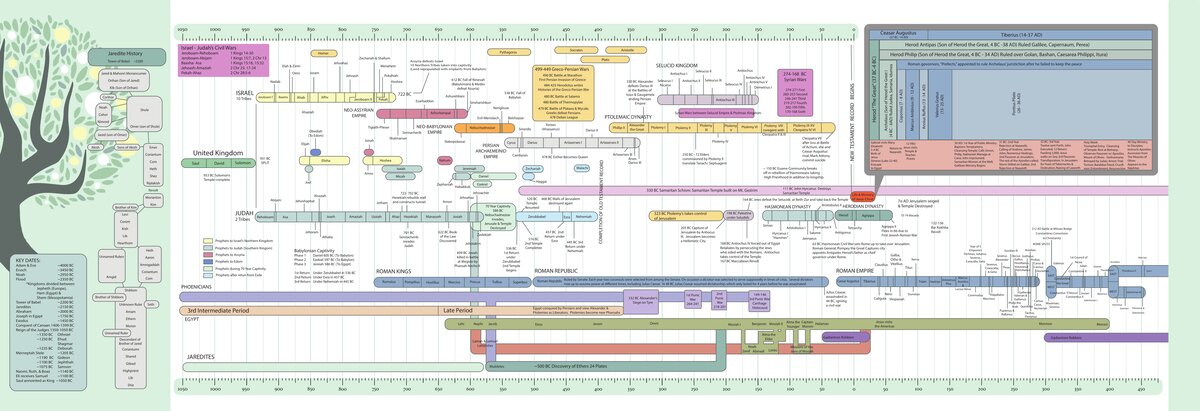
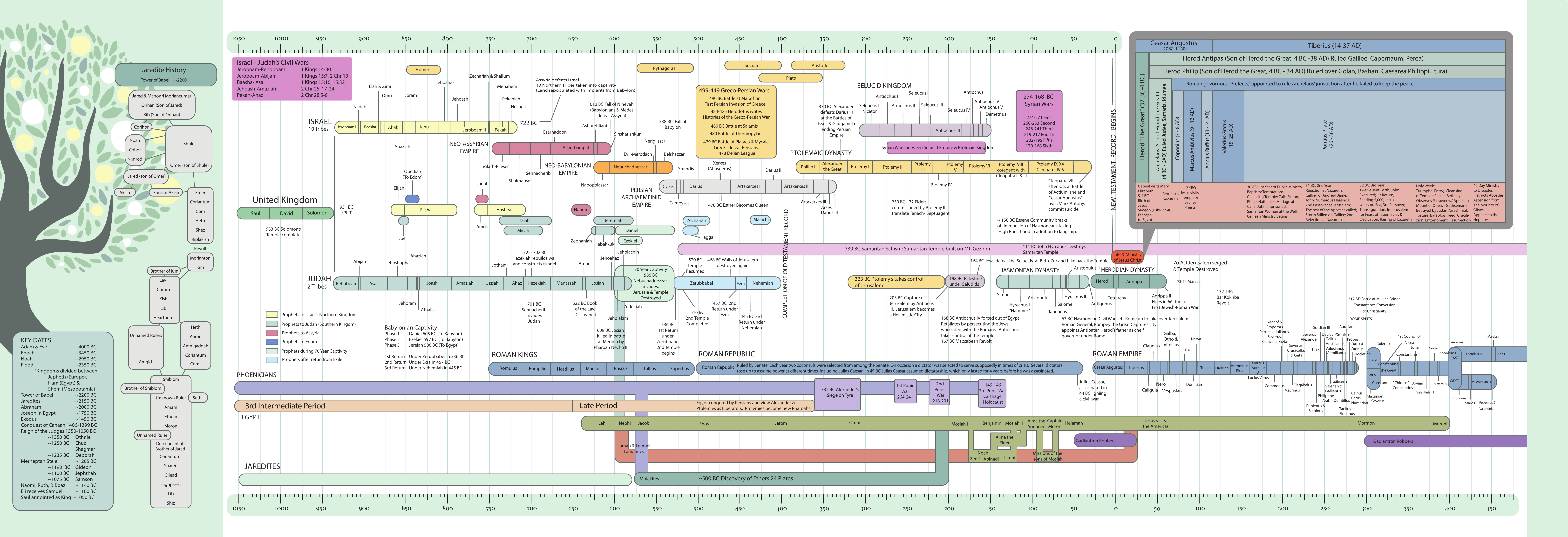
From Creation through the Persian Period — tap the image to zoom, or download the full PDF.