| Church Manuals | |
| Come Follow Me Manual — Week 15 | View |
| Scripture Helps: Old Testament | View |
| OT Seminary Teacher Manual | View |
| OT Institute Manual (Gen–2Sam) | View |
| Pearl of Great Price Manual | View |
| Scripture Reference | |
| Bible Dictionary | View |
| Topical Guide | View |
| Guide to the Scriptures | View |
| Church Media & Library | |
| Gospel for Kids (YouTube) | View |
| Bible Videos | View |
| Church Magazines | View |
| Gospel Library | View |
Week 15
Remember This Day, in Which Ye Came Out from Egypt
Exodus 7–13
April 6–12, 2026
5-Minute Overview
Pharaoh refused to let Israel go, and God sent ten plagues that struck at Egypt's gods one by one. The final plague—death of the firstborn—required Israel to mark their doorposts with lamb's blood. That blood spelled life over each household. This week explores the Passover as both deliverance event and prophetic type pointing to Christ, the true Passover Lamb.
Weekly Resources: Week 15
Exodus 7–13
April 6–12, 2026
“Remember This Day, in Which Ye Came Out from Egypt”
Official Church Resources
OFFICIAL CHURCH RESOURCES▶
CHURCH MEDIA FOR FAMILIES▶
▶ Video Commentary
VIDEO COMMENTARY (13 videos)
▼

Specialized Audiences
WOMEN’S PERSPECTIVES (2 videos)
▶

FAMILY & CHILDREN’S RESOURCES (5 videos)
▶
Reference & Study Materials
BIBLE PROJECT VIDEOS THIS WEEK (10 videos)
▶
Book overview + theme & word study videos relevant to this week’s reading.




ACADEMIC & SCHOLARLY SITES▶
MAPS & BIBLICAL LOCATIONS▶
JEWISH & SCHOLARLY RESOURCES▶
HISTORICAL CONTEXT (World History Encyclopedia)▶
Scholarly articles from World History Encyclopedia providing historical and cultural context for the Exodus narrative.
Biblical Topics
| Moses | View |
| Ten Plagues of Egypt | View |
| Passover in the Hebrew Bible | View |
| Yahweh | View |
| Torah | View |
| Early Judaism | View |
Egyptian Deities
| Ra — Sun god (9th plague: Darkness) | View |
| Osiris — Lord of the Underworld (10th plague) | View |
| Isis — Mother goddess | View |
| Set/Seth — God of chaos & storms (7th plague: Hail) | View |
| Hathor — Cow goddess (5th plague: Pestilence) | View |
| Horus — Sky god | View |
| Egyptian Gods — Complete List | View |
Egyptian History & Culture
| Ancient Egypt | View |
| Egyptian Religion | View |
| Egyptian Mythology | View |
| New Kingdom of Egypt | View |
| Ramesses II (Pharaoh of the Exodus?) | View |
| Pi-Ramesses (City built by Israelites) | View |
| Pharaoh | View |
| The Nile River | View |
A Letter to Fellow Students
▶︎
There is blood on the doorpost.
That image sits at the center of everything this week. A lamb has been slain, its blood applied to the wooden frame of a household entrance, and inside that marked home, a family waits — dressed for travel, staff in hand, eating in haste — while outside, the destroyer passes through Egypt.
This is the Passover. And it is not merely ancient history. Last week we explored Christ as the Passover Lamb on Easter morning. Now we return to the original narrative to see where these symbols came from — and to discover layers we might have missed.
The Hebrew word for blood — dam — shares its root with adam (human) and adamah (earth). Life from the red earth, life in the red blood. The rabbis noticed that painting blood on the two doorposts and lintel forms the Hebrew letter chet (ח), which stands for chayyim — life. The blood literally spelled "life" over each house.
The doorpost itself functioned as an altar. Before there was a tabernacle, before there was a priesthood, each father slaughtered a lamb and each home became a temple. The threshold became the boundary between death and life.
This week we sit with these images. We trace the women who made the Exodus possible, the Hebrew wordplays that deepen our understanding, and the roots that connect bekhor (firstborn) to bikkurim (firstfruits) — death on Passover night to resurrection on Firstfruits morning.
The blood still speaks. The door still stands. And the question remains: which side of the threshold are we on?
What's in This Week's Materials
▶︎
📖 The Reading: Exodus 7–13
▶︎
Seven chapters covering the ten plagues and the Passover institution. If you read nothing else, read these three sections:
- Exodus 12:1–14 — The Passover instructions. The lamb, the blood, the haste, the memorial.
- Exodus 12:21–28 — Moses delivers the ordinance. The doorposts. The destroyer passing over.
- Exodus 13:1–16 — Consecration of the firstborn. "Remember this day."
The plagues build in intensity, but the real theological center is chapter 12. Everything leads there.
Women in the Exodus: The Heroes Scripture Names
▶︎
As a woman studying these chapters, I've found Lynne Hilton Wilson's Scripture Central series particularly meaningful. Her Handmaidens, Harems, and Heroines episode highlights something that doesn't get enough attention: without these women, there would have been no Exodus.
Consider who scripture names — and who it doesn't. Pharaoh, the most powerful ruler in the ancient world, remains anonymous throughout the narrative. But the Hebrew midwives? We know their names: Shiphrah and Puah (Exodus 1:15).
These two women defied a direct order from the king of Egypt. When commanded to kill every Hebrew boy at birth, they "feared God, and did not as the king of Egypt commanded them" (Exodus 1:17). They lied to Pharaoh's face, risking their own lives, and "God dealt well with the midwives" (Exodus 1:20). The deliverance of Israel began not with Moses, but with two women who chose conscience over compliance.
Then there is Jochebed, Moses' mother, who hid her infant son for three months and then placed him in a basket on the Nile — an act of desperate faith. Miriam, his sister, watched over that basket and had the presence of mind to offer a Hebrew nurse (their own mother) when Pharaoh's daughter found the child. A young girl's quick thinking kept Moses connected to his people and his covenant identity.
And Zipporah, Moses' wife, who appears briefly but decisively in Exodus 4:24–26, saving Moses' life through her understanding of covenant requirements when he had neglected them.
These women were not supporting characters. They were the agents of salvation history. The deliverer needed delivering first — by women who risked everything, who defied empires, who preserved a child and shaped a prophet. Before Moses could lead Israel out of Egypt, women had to lead him into his purpose.
A Pattern That Continues
▶︎
This isn't an isolated moment. Consider who witnesses the pivotal events of Christ's life:
| Event | First Witnesses |
|---|---|
| Nativity | Shepherds, then wise men — socially marginal, Gentile seekers |
| Exodus | Shiphrah, Puah, Jochebed, Miriam — enslaved women defying empire |
| Resurrection | Mary Magdalene and the women at the tomb |
In each case, God chooses witnesses the world would discount. Shepherds held no social standing. Women's testimony was legally dismissed in ancient courts. Enslaved midwives had no power against Pharaoh's decree. Yet these are the ones God trusts with the first sight — and the first proclamation.
The shepherds "made known abroad" what they had seen (Luke 2:17). The women at the tomb were told "go tell his disciples" (Mark 16:7). And the midwives? Their defiance was the first act of the Exodus, recorded for all generations.
God doesn't just permit the overlooked to witness — He chooses them. The manger, the empty tomb, the basket on the Nile: at every turning point, those the world would silence become the first to speak.
The Blood That Speaks: Hebrew Wordplay and Atonement
▶︎
One of the richest word studies in Hebrew lies hidden in the Passover narrative. The word for blood — דָּם (dam) — sits at the center of a stunning etymological constellation:
| Hebrew | Transliteration | Meaning |
|---|---|---|
| אָדֹם | adom | red |
| דָּם | dam | blood |
| אֲדָמָה | adamah | earth, ground, soil |
| אָדָם | adam | human, Adam |
These aren't coincidental similarities — they form a theological narrative. The first human (adam) was formed from red earth (adamah), animated by blood (dam), and both share the root meaning "red" (adom). Human life is inextricably tied to blood, both physically and spiritually.
Why Blood?
▶︎
Leviticus 17:11 provides the key:
"For the life (נֶפֶשׁ / nephesh) of the flesh is in the blood, and I have given it to you on the altar to make atonement (כִּפֻּר / kippur) for your souls (nephesh); for it is the blood by reason of the life (nephesh) that makes atonement."
The word nephesh appears three times in this verse — blood carries the nephesh (life-force, soul). Blood isn't death-symbolism; it's life-symbolism. The lamb's life (nephesh) covers the household's life (nephesh). Life for life.
Atonement as Covering
▶︎
The Hebrew כָּפַר (kaphar) means "to cover." Related words include כֹּפֶר (kopher, "covering, ransom") and כַּפֹּרֶת (kapporet, the "mercy seat" — literally, the "covering" on the Ark). Blood doesn't destroy sin — it covers it. The doorposts weren't painted to appease anger but to mark the household as covered by life.
The Letter of Life
▶︎
Medieval commentator Hizkuni observed something remarkable: painting blood on the two doorposts and the lintel above creates the Hebrew letter ח (chet) — which stands for חַיִּים (chayyim): life.
The blood literally spelled "life" over each household. The destroyer saw not death but a house marked with the sign of life.
The Destroyer: Who Passed Through Egypt?
▶︎
Exodus 12:23 introduces a mysterious figure:
"For the LORD will pass through to smite the Egyptians; and when he seeth the blood upon the lintel, and on the two side posts, the LORD will pass over the door, and will not suffer the destroyer (הַמַּשְׁחִית / ha-mashchit) to come in unto your houses to smite you."
Who is this "destroyer"? The Hebrew text doesn't call it an angel — simply "the destroyer" or "the one who ruins." Jewish tradition, preserved in the Passover Haggadah, is emphatic:
"I will pass through the land of Egypt... I and not an angel... I and not a messenger."
The mashchit is not an independent force but God's own judgment made manifest — a personification of divine justice. This creates a profound theological paradox at the heart of atonement:
The blood of the lamb protects Israel from God's own justice.
If the mashchit is God acting in judgment, then the lamb's blood doesn't deflect some external threat — it satisfies the Judge himself. God provides the covering that protects from God's own decree. The same God who passes through in judgment passes over in mercy when He sees the blood.
This is the mystery of atonement: God provides the sacrifice that satisfies God's justice. The Lamb and the Judge meet in the same divine will.
The Doorpost as Altar: Home Becomes Temple
▶︎
Here is a question worth pondering: The first Passover occurred before Sinai, before the tabernacle, before the priesthood. There was no altar, no temple, no designated priest. Yet God commanded a sacrifice. Where was the blood applied?
The answer transforms how we understand the Passover: the doorpost functioned as the altar.
The Threshold Covenant
▶︎
In the ancient Near East, the threshold was far more than a doorway. It was a sacred boundary — a liminal space marking the transition from the dangers of the outside world to the safety of the household. H. Clay Trumbull's classic study The Threshold Covenant (1896) documents widespread ancient practices of shedding blood on or over thresholds to signify covenant protection. When an animal was sacrificed at the entrance, its blood consecrated the boundary, declaring covenant protection over all who crossed it.
When God commanded blood on the doorposts (מְזוּזוֹת / mezuzot), He was taking a known cultural practice and redirecting it to Himself. The blood declared: this home is dedicated to YHWH and no other god. As proof of that dedication, YHWH would protect those inside.
The Talmud makes this connection explicit: "In Egypt, the lintel and doorposts served as a symbolic stand-in for the altar of the Tabernacle and, later, the Temple."
Home as Sanctuary, Father as Priest
▶︎
Each Israelite home became a micro-temple that Passover night:
| Temple Worship | Passover Home |
|---|---|
| Blood applied to altar | Blood applied to doorpost |
| Priest officiates | Father officiates |
| Sacrifice within sanctuary | Sacrifice within household |
| Marks sacred space | Marks covenant belonging |
| Entrance to God's presence | Entrance to family protection |
The head of each household slaughtered the lamb — functioning as priest before there was a priesthood. The doorpost received the blood — functioning as altar before there was a tabernacle. This elevates domestic worship: the family altar is not a modern invention but a Passover original.
Crossing the Blood
▶︎
To cross a blood-marked threshold was to ratify the covenant. To remain outside was to reject it. The threshold forced a decision: inside meant covenant protection; outside meant exposure to the mashchit.
This illuminates a severe warning in Hebrews 10:29 about those who have "trodden under foot the Son of God, and hath counted the blood of the covenant ... an unholy thing." The language is threshold language. To trample the blood is to show contempt for the covenant — the ancient world's ultimate insult to a host.
Christ as the Door
▶︎
When Jesus declares "I am the door: by me if any man enter in, he shall be saved" (John 10:9), He invokes this entire threshold theology. The Passover doorway was marked with lamb's blood. Christ, the Lamb, becomes the doorway Himself — the door marked with His own blood.
Hebrews makes the connection complete:
"Having therefore, brethren, boldness to enter into the holiest by the blood of Jesus, by a new and living way, which he hath consecrated for us, through the veil, that is to say, his flesh." (Hebrews 10:19–20)
The veil was the doorway to God's presence. Christ's flesh is that veil. His death tears it open. The doorpost-altar that once marked the entrance to an Israelite home now marks the entrance to heaven itself.
In Christ, all the symbols converge: He is the Lamb whose blood marks the doorway, the Door through which we enter, the Altar where sacrifice is made, the Priest who officiates, and the Veil torn for access. Every threshold we cross in faith echoes that first Passover night — when blood on a doorpost meant the difference between death and life.
From Moriah to Goshen: The Ram and the Lamb
▶︎
The Passover lamb doesn't appear in isolation. It completes a pattern that began generations earlier on Mount Moriah, when Abraham bound Isaac for sacrifice.
The Akedah Pattern
▶︎
| Genesis 22 (Akedah) | Exodus 12 (Passover) |
|---|---|
| A son is bound for sacrifice | The firstborn faces death |
| God provides a substitute (ram) | God provides a substitute (lamb) |
| The substitute dies in place of the son | The lamb dies in place of the firstborn |
| Father must participate | Families must participate (apply blood) |
| Mount Moriah | Doorpost of each home |
But notice: Abraham said "God will provide Himself a lamb" (Genesis 22:8) — yet God provided a ram (אַיִל / ayil), caught by its horns in a thicket.
Why a ram instead of a lamb?
- The Ram: Mature, strong, caught by its horns in thorns — foreshadowing Christ's crown of thorns
- The Lamb: Young, innocent, submissive — "led as a lamb to the slaughter" (Isaiah 53:7)
The ram was the immediate substitute; the Lamb was the ultimate fulfillment. Abraham named the place יְהוָה יִרְאֶה (YHWH Yireh) — "The LORD will provide" — future tense. He understood the lamb was still coming.
At Passover, the lamb finally arrives. And Christ fulfills both: the Lamb's innocence and the Ram's strength, caught in thorns.
Firstborn and Firstfruits: The Hebrew Root That Binds Death to Resurrection
▶︎
One Hebrew root — ב-כ-ר (B-K-R) — ties the plague of the firstborn directly to the resurrection of Christ.
| בְּכוֹר (bekhor) | בִּכּוּרִים (bikkurim) |
|---|---|
| Firstborn son | Firstfruits of harvest |
| Belongs to God (Exodus 13:2) | Belongs to God (Leviticus 23:10) |
| Must be redeemed or consecrated | Must be offered |
| Death claimed Egypt's firstborn | Life emerges from the ground |
The Exchange Principle
▶︎
Before the plagues begin, God establishes the stakes:
"Thus saith the LORD, Israel is my son, even my firstborn... Let my son go... if thou refuse... I will slay thy son, even thy firstborn." (Exodus 4:22–23)
This is the logic of the tenth plague. Pharaoh tried to destroy God's firstborn (the Hebrew boys in the Nile). Now Egypt's firstborn die; Israel's firstborn live — but belong to God:
"Sanctify unto me all the firstborn, whatsoever openeth the womb among the children of Israel, both of man and of beast: it is mine." (Exodus 13:2)
From Death to Life
▶︎
The plague of the firstborn (bekhor) is about death. The Feast of Firstfruits (bikkurim) is about life emerging from death — seed buried in ground, then rising as harvest. Same root, opposite movements.
| Plague of Firstborn | Bikkurim / Firstfruits |
|---|---|
| Death of Egypt's bekhor | Resurrection of the bikkurim |
| Passover night (14 Nisan) | Resurrection morning (16 Nisan) |
| Blood on doorposts | Sheaf waved before the Lord |
| Israel's firstborn spared | Christ rises as "firstfruits of them that slept" |
Paul captures this in 1 Corinthians 15:20, 23:
"But now is Christ risen from the dead, and become the firstfruits of them that slept... Christ the firstfruits; afterward they that are Christ's at his coming."
Christ is both the Firstborn who dies and the Firstfruits who rises. The same Hebrew root that marks the plague of death marks the feast of resurrection. What kills Egypt's sons brings life to all who trust in God's covenant promise.
New Language Tools: Prepositions with Pronouns
▶︎
This week's Hebrew Lesson 11 introduces one of the most practical patterns in biblical Hebrew: pronominal suffixes on prepositions.
In English, we say "over you." In Hebrew, this becomes a single word: עֲלֵכֶם (alekhem). The preposition and pronoun fuse together. This happens thousands of times in the Hebrew Bible — every "with him," "to me," "from them," and "upon us" is actually one word.
The Passover connection: In Exodus 12:13, the Lord promises:
"When I see the blood, I will pass over you (עֲלֵכֶם)."
That single Hebrew word alekhem carries the entire covenant promise: the preposition עַל ("over, upon") plus the second person plural suffix ("you all"). The blood doesn't just exist — it exists over you, upon you, protecting a community. One word bears the weight of salvation.
The blood exists over you (עֲלֵכֶם) precisely because the mashchit would otherwise come upon you. Same preposition, opposite outcomes, depending on the blood.
Passover as Easter, Easter as Passover
▶︎
If you spent Easter week with our study guide, you've already encountered much of this week's material from a different angle. Now the connections deepen:
| Passover Element | Fulfillment in Christ |
|---|---|
| Lamb without blemish | Christ, the spotless sacrifice |
| Blood on doorposts (forming ח for "life") | His blood marking us with life |
| Doorpost as altar | Christ as the altar, the sacrifice, and the priest |
| Threshold as entrance to protection | Christ as "the Door" (John 10:9) |
| The mashchit passes over | Divine justice satisfied |
| Death of Egypt's bekhor (firstborn) | The Firstborn of the Father dies |
| Israel's bekhor consecrated to God | We become "the church of the Firstborn" (Hebrews 12:23) |
| Bikkurim sheaf waved on Sunday | Christ rises on Firstfruits morning |
| Unleavened bread | The bread of the sacrament |
| Haste of departure | The urgency of discipleship |
The Passover isn't backstory for Easter — it's the same story, told in symbols first and then in flesh and blood. The same Hebrew root (B-K-R) that names the plague (bekhor) names the resurrection feast (bikkurim). Death and life, bound together in God's design.
An Invitation to Go Deeper
▶︎
The upcoming changes to our Sunday schedule invite us to take greater ownership of our gospel learning. This is exactly what prophets have been teaching for years: the home is the center of gospel study, with Church as a support. The new structure makes space for that vision to flourish.
At CFM Corner, we're excited to be part of this shift. Our study guides, Hebrew lessons, and video distillations are designed for exactly this kind of personal and family study — resources you can use at your own pace, in your own home, as deep as you want to go.
Use what fits your season:
- Short on time? Read the Week Overview and one Word Study
- Ready for more? Work through the full study guide with scripture references
- Learning Hebrew? The language lessons build week by week
- Want fresh perspective? Our video distillations synthesize hours of commentary into focused summaries
The goal has always been to meet you where you are and help you discover how rich these scriptures really are. The new schedule gives you more opportunity to do exactly that.
This Week's Invitation
▶︎
As you read the plagues and the Passover this week, look for the threads that weave through the entire story of redemption:
Start with the women. Notice Shiphrah and Puah standing before an unnamed Pharaoh. Notice a mother's desperate faith, a sister's watchful courage, a wife's covenant understanding. The deliverer needed delivering first.
Notice the blood. See how dam connects to adam and adamah — life from the red earth, life in the red blood. Watch it paint the letter of life (ח) over each doorway. Understand that this blood doesn't deflect an external threat; it satisfies the judgements of God, through the mercy of the Savior.
Stand at the threshold. See the doorpost as altar, the home as temple, the father as priest. Recognize that every threshold you cross in faith echoes that Passover night — and that Christ Himself has become the Door, marked with His own blood, through which we enter God's presence.
Follow the firstborn. Trace the bekhor from Pharaoh's doomed heir to Israel's consecrated sons to Christ, "the firstborn from the dead." Then watch bekhor transform into bikkurim — from death on Passover night to resurrection on Firstfruits morning.
Remember Moriah. Abraham said God would provide a lamb; God provided a ram caught in thorns. The lamb was still coming. At Passover, it arrived. At Calvary, it was fulfilled.
And when you reach Exodus 12:13, pause at that single Hebrew word: עֲלֵכֶם. Over you. A preposition and a pronoun, fused into one word, carrying the promise of covenant protection.
The destroyer passed through Egypt. But where the blood covered the threshold, death became life.
That's the word that matters this week.
Week 15 Study Guide | CFM Corner | OT 2026
Week 15
Week Overview
Exodus 7–13 | "Remember This Day, in Which Ye Came Out from Egypt"
April 6–12, 2026
1. Week 15: Week Overview
| Field | Details |
|---|---|
| Week Number | 15 |
| Scripture Block | Exodus 7–13 |
| Theme | "Remember This Day, in Which Ye Came Out from Egypt" |
| Dates | April 6–12, 2026 |
| CFM Manual Pages | Come, Follow Me Manual — Week 15 |
Exodus 7–13 recounts the dramatic confrontation between Moses and Pharaoh, the ten plagues, the institution of the Passover, and Israel's departure from Egypt. These chapters form the theological heart of the Exodus narrative, demonstrating God's power over Egypt's gods and Pharaoh's claims to divinity while establishing Passover as Israel's foundational memorial.
Chapter Breakdown
| Chapter | Content |
|---|---|
| Exodus 7 | Moses and Aaron before Pharaoh; rod becomes serpent; first plague—water to blood |
| Exodus 8 | Plagues of frogs, lice, and flies; Pharaoh begins negotiating |
| Exodus 9 | Plagues of pestilence, boils, and hail; Pharaoh's heart hardens |
| Exodus 10 | Plagues of locusts and darkness; final negotiations fail |
| Exodus 11 | Announcement of the final plague—death of the firstborn |
| Exodus 12 | Institution of Passover; death of firstborn; Israel departs Egypt |
| Exodus 13 | Consecration of firstborn; unleavened bread commandment; pillar of cloud and fire |
1. Judgment on Egypt's Gods
The plagues systematically challenged Egyptian deities and Pharaoh's divine claims. As God declared: "Against all the gods of Egypt I will execute judgment: I am the LORD" (Exodus 12:12).
According to scholarly analysis, each plague targeted specific Egyptian beliefs:
- Blood (Nile)—challenged Hapi (Nile god) and Pharaoh as Nile's controller
- Frogs—challenged Heqet (frog-headed goddess of fertility)
- Lice/Gnats—challenged Geb (earth god)
- Flies/Swarms—challenged Khepri (scarab god)
- Pestilence—challenged Hathor (cow goddess) and Apis bull
- Boils—challenged Sekhmet (goddess of healing)
- Hail—challenged Nut (sky goddess) and Seth (storm god)
- Locusts—challenged Seth (crop protector) and Min (harvest god)
- Darkness—challenged Ra (sun god) and Pharaoh as Ra's son
- Death of Firstborn—final judgment on Pharaoh's divine claims and Osiris
For a complete overview, see Egyptian Gods — The Complete List (World History Encyclopedia)
(Source: KnoWhy #614, "Why Were Particular Plagues Sent Against Egypt?")
2. The Hardened Heart
The text describes Pharaoh's heart being "hardened" (Exodus 7:13, 22; 8:15, 19, 32; 9:7, 12, 34, 35; 10:1, 20, 27; 11:10). The JST clarifies that Pharaoh hardened his own heart:
"Pharaoh's heart is hardened" (JST Exodus 7:13)
"Pharaoh shall harden his heart" (JST Exodus 4:21)
This preserves human agency—Pharaoh chose to resist God repeatedly, and God allowed him to follow his chosen course.
(Source: CFM Manual, Week 15; Study Aid by Jonn Claybaugh)
3. Passover—Type of the Atonement
The Passover lamb foreshadows Jesus Christ:
| Passover Element | Symbolism |
|---|---|
| Lamb without blemish | Christ's sinless perfection |
| Blood on doorposts | Saving power of Christ's blood |
| No bones broken | Fulfilled at crucifixion (John 19:36) |
| Eaten with bitter herbs | Bitter sacrifice required |
| Eaten in haste | Urgency of following Christ |
| Destroyer passed over | Spiritual death passed over through Atonement |
(Source: CFM Manual, Week 15)
4. Remembrance and Memorial
God commanded Israel to "remember this day" (Exodus 13:3) and established the Passover as "a memorial" (Exodus 12:14). This pattern of sacred remembrance connects to the sacrament, where we "always remember him" (D&C 20:77).
| Person | Role | Significance |
|---|---|---|
| Moses | Prophet, deliverer | Speaks God's word to Pharaoh; leads Israel out |
| Aaron | Spokesman, priest | Moses' "prophet" to Pharaoh (7:1); performs signs |
| Pharaoh | King of Egypt | Opposes God; represents pride and hard-heartedness |
| Egyptian Magicians | Court sorcerers | Replicate first signs; concede "finger of God" at lice plague |
| Event | Reference |
|---|---|
| Moses and Aaron before Pharaoh | Exodus 7:1–13 |
| First Plague: Water to Blood | Exodus 7:14–25 |
| Second Plague: Frogs | Exodus 8:1–15 |
| Third Plague: Lice | Exodus 8:16–19 |
| Fourth Plague: Flies/Swarms | Exodus 8:20–32 |
| Fifth Plague: Pestilence | Exodus 9:1–7 |
| Sixth Plague: Boils | Exodus 9:8–12 |
| Seventh Plague: Hail | Exodus 9:13–35 |
| Eighth Plague: Locusts | Exodus 10:1–20 |
| Ninth Plague: Darkness | Exodus 10:21–29 |
| Passover Instituted | Exodus 12:1–28 |
| Tenth Plague: Death of Firstborn | Exodus 12:29–36 |
| Israel Departs Egypt | Exodus 12:37–51 |
| Consecration of Firstborn | Exodus 13:1–16 |
| Pillar of Cloud and Fire | Exodus 13:17–22 |
Old Testament Connections
- Genesis 15:13–14: God's prophecy to Abraham fulfilled—400 years of affliction ending with great substance
- Genesis 50:25: Joseph's bones carried out as he commanded
Book of Mormon Connections
- 1 Nephi 17:23–31: Nephi recounts the plagues and deliverance
- Mosiah 12:34–35: Abinadi quotes the law given through Moses
- Alma 36:28: Alma compares spiritual deliverance to Exodus
Doctrine and Covenants Connections
- D&C 8:2–3: The spirit speaks to the mind and heart, as God spoke to Moses
- D&C 84:23–25: The Melchizedek Priesthood and ordinances in Moses' day
New Testament Connections
- John 1:29: "Behold the Lamb of God"—Passover lamb imagery
- 1 Corinthians 5:7: "Christ our passover is sacrificed for us"
- Hebrews 11:28: "Through faith he kept the passover"
2. Week 15: Historical and Cultural Context
Egypt in the Late Bronze Age
The Exodus likely occurred during Egypt's New Kingdom period (c. 1550–1070 BCE). Egypt was the dominant power in the ancient Near East, with Pharaoh ruling as both political and religious head—considered a living god on earth.
Pharaoh's Divine Claims
Egyptian kings held multiple divine titles:
- Son of Ra: Divine offspring of the sun god
- Living Horus: Earthly manifestation of the sky god
- Lord of the Two Lands: Ruler over Upper and Lower Egypt
- Controller of the Nile: Responsible for the annual flood
The plagues directly challenged each of these roles, demonstrating that Israel's God—not Pharaoh—controlled nature and life itself.
(Source: KnoWhy #614, "Why Were Particular Plagues Sent Against Egypt?")
Scholarly Analysis
According to Muhlestein and other scholars, the plagues were not random disasters but targeted judgments against Egyptian theology:
| Plague | Target | Egyptian Belief Challenged |
|---|---|---|
| 1. Blood | Nile River | Hapi (Nile god); Pharaoh as Nile controller |
| 2. Frogs | Land | Heqet (frog-headed fertility goddess) |
| 3. Lice/Gnats | Dust/Earth | Geb (earth god); priests' ritual purity |
| 4. Flies/Swarms | Air | Khepri (scarab/fly god) |
| 5. Pestilence | Livestock | Hathor (cow goddess); Apis bull |
| 6. Boils | Bodies | Sekhmet (goddess of healing); Imhotep |
| 7. Hail | Sky | Nut (sky goddess); Seth (storm god) |
| 8. Locusts | Crops | Seth (crop protector); Min (harvest god) |
| 9. Darkness | Sun | Ra (sun god); Pharaoh as Ra's son |
| 10. Firstborn | Dynasty | Pharaoh's divine lineage; Osiris |
For a complete overview, see Egyptian Gods — The Complete List (World History Encyclopedia)
The progression moves from environmental inconveniences to personal suffering to dynastic destruction—culminating in Pharaoh's own household.
(Source: KnoWhy #614, citing Muhlestein scholarship)
Natural Phenomena Explanation
Some scholars note the plagues follow a logical sequence tied to Egypt's ecology:
- Red silt causes bloody Nile appearance
- Frogs flee toxic water
- Insects breed in stagnant conditions
- Disease spreads from dead animals
- Culminates in darkness (sandstorm/volcanic ash)
Whether God used natural means or purely miraculous intervention, the timing and targeting demonstrated divine control.
Cultural Background
The Passover (Pesach) combined elements that would have been familiar to ancient Israelites:
- Lamb sacrifice: Common in ANE cultures for protection
- Blood on doorposts: Apotropaic (evil-averting) practice known in the region
- Unleavened bread: Associated with haste and purity
- Bitter herbs: Reminder of suffering
What distinguished Israel's Passover was its connection to a specific historical deliverance and covenant relationship.
The Lamb Requirements (Exodus 12:3–6)
| Requirement | Specification |
|---|---|
| Selection | 10th of Nisan (Aviv) |
| Inspection | Kept until 14th day |
| Condition | Without blemish |
| Age | First year |
| Type | Sheep or goat |
| Slaughter | Between evenings (twilight) |
Goshen
The Israelites dwelled in Goshen, in the eastern Nile Delta. Beginning with the fourth plague (flies), God made a distinction—the plagues struck Egypt but not Goshen where Israel lived (Exodus 8:22–23).
Map links: Holy Land Site — Goshen · BYU Scriptures Mapped
Rameses
Israel departed from Rameses (Exodus 12:37), likely the city built by Hebrew slaves under earlier oppression. The irony: they left from the very place of their bondage.
Map links: Holy Land Site — Rameses · BYU Scriptures Mapped
Route of Departure
God led Israel "not through the way of the land of the Philistines, although that was near" but through the wilderness (Exodus 13:17–18). This longer route prepared them for covenant at Sinai.
Map links: Holy Land Site — Egypt Overview · BYU Scriptures Mapped
Map Resources: Holy Land Site · Bible Atlas · BYU Scriptures Mapped
Hebrew Terms
חָזַק (chazaq) — "to harden, strengthen"
The verb used for Pharaoh's heart means "to strengthen" or "make firm." The text uses three different Hebrew verbs:
- chazaq — to strengthen (God strengthens what Pharaoh chose)
- kabed — to make heavy (Pharaoh's heart grows unresponsive)
- qashah — to harden (final obduracy)
פֶּסַח (pesach) — "Passover"
From the root meaning "to pass over" or "to skip." God "passed over" the houses marked with blood.
מַצָּה (matzah) — "unleavened bread"
Bread made without leaven (yeast), symbolizing haste and purity. Leaven often represents corruption in Scripture.
JST Clarifications
The Joseph Smith Translation clarifies the "hardening" passages:
| KJV | JST |
|---|---|
| "I will harden Pharaoh's heart" (7:3) | "Pharaoh will harden his heart" |
| "The LORD hardened the heart of Pharaoh" (9:12) | "Pharaoh hardened his heart" |
This preserves the doctrine of agency—God did not override Pharaoh's will but allowed him to pursue his chosen course.
(Source: Study Aid by Jonn Claybaugh; CFM Manual, Week 15)
Blood Marking
The instruction to place blood on doorposts and lintel (Exodus 12:7) created a visual sign of covenant belonging. The blood marked the household as under God's protection.
In ancient Near Eastern practice, doorways were considered vulnerable transition points requiring protection. Israel's blood-marking transformed a common practice into covenantal testimony.
Eating in Haste
The Passover was eaten with "loins girded, shoes on feet, staff in hand" (Exodus 12:11)—ready for immediate departure. This posture of readiness became ritualized in later Passover observance.
Consecration of Firstborn
After Egypt's firstborn died, God claimed Israel's firstborn as His own (Exodus 13:2). This established the principle that deliverance creates obligation—those rescued belong to their Rescuer.
While the Exodus itself has limited direct archaeological evidence, several elements align with known Egyptian practices:
- Large-scale construction projects using foreign labor
- Administrative records of Semitic workers
- Evidence of Semitic presence in the eastern Delta
- Egyptian knowledge of Israelite religion (Papyrus Anastasi VI)
The absence of explicit Egyptian records of the Exodus is consistent with ancient practice—kingdoms did not memorialize their defeats.
3. Week 15: Key Passages Study
Text (KJV)
"And the LORD said unto Moses, See, I have made thee a god to Pharaoh: and Aaron thy brother shall be thy prophet. Thou shalt speak all that I command thee: and Aaron thy brother shall speak unto Pharaoh, that he send the children of Israel out of his land... And the Egyptians shall know that I am the LORD, when I stretch forth mine hand upon Egypt, and bring out the children of Israel from among them."
Literary Analysis
The passage establishes a hierarchy:
- God → speaks to Moses
- Moses → as "god" to Pharaoh
- Aaron → as "prophet" (spokesman) to Pharaoh
This mirrors the divine-prophetic relationship, with Moses playing God's role and Aaron playing the prophet's role in relation to Pharaoh.
Theological Significance
- Authority Structure: God's authority flows through appointed representatives
- Purpose Statement: The plagues serve to reveal God's identity ("know that I am the LORD")
- Covenant Fulfillment: God acts to fulfill His promise to Abraham's descendants
LDS Connection
The pattern of speaking through authorized representatives continues in the Restoration. The Lord declared: "Whether by mine own voice or by the voice of my servants, it is the same" (D&C 1:38). Moses and Aaron model prophetic authority.
Text (KJV)
"And the magicians did so with their enchantments to bring forth lice, but they could not: so there were lice upon man, and upon beast. Then the magicians said unto Pharaoh, This is the finger of God: and Pharaoh's heart was hardened, and he hearkened not unto them; as the LORD had said."
Literary Analysis
The progression through the first three plagues shows escalating divine superiority:
- Blood: Magicians replicate
- Frogs: Magicians replicate (but cannot remove)
- Lice: Magicians fail completely
The magicians' confession—"This is the finger of God"—marks a turning point. Egypt's own religious specialists acknowledge Israel's God.
Theological Significance
- Limits of Counterfeit Power: Evil can imitate but not sustain
- Testimony from Enemies: Even opponents recognize divine power
- Heart Condition: Despite clear evidence, Pharaoh chooses resistance
LDS Connection
The "finger of God" language appears in the Book of Mormon when the brother of Jared sees the Lord's finger (Ether 3:6). Divine power manifests in visible, undeniable ways to those prepared to receive.
Text (KJV)
"And I will sever in that day the land of Goshen, in which my people dwell, that no swarms of flies shall be there; to the end thou mayest know that I am the LORD in the midst of the earth. And I will put a division between my people and thy people: to morrow shall this sign be."
Literary Analysis
Beginning with the fourth plague, God introduces "division" (Hebrew: pedut, redemption/distinction). The plagues no longer affect Israel—only Egypt suffers.
Theological Significance
- Covenant Protection: God's people experience different outcomes
- Divine Control: The plagues are precisely targeted, not random
- Witness to Pharaoh: The distinction proves God's selective power
LDS Connection
The principle of divine distinction continues in latter-day prophecy. The Lord promises protection to covenant Israel while judgments fall on the wicked (D&C 45:66–71). Goshen becomes a type of Zion—a place of refuge.
Text (KJV)
"And when Pharaoh saw that the rain and the hail and the thunders were ceased, he sinned yet more, and hardened his heart, he and his servants. And the heart of Pharaoh was hardened, neither would he let the children of Israel go; as the LORD had spoken by Moses."
Literary Analysis
Note the active voice: Pharaoh "sinned yet more" and "hardened his heart." The responsibility lies with Pharaoh, not with God imposing hardness.
Theological Significance
- Agency Preserved: Pharaoh chooses his response to each plague
- Pattern of Relapse: When pressure eases, Pharaoh returns to resistance
- Cumulative Consequence: Each refusal makes the next easier
The JST confirms this reading: "Pharaoh hardened his heart" (JST Exodus 9:12).
LDS Connection
Alma teaches this principle: "He that will harden his heart, the same receiveth the lesser portion of the word; and he that will not harden his heart, to him is given the greater portion" (Alma 12:10). Hearts harden through choice, not compulsion.
(Source: CFM Manual, Week 15)
Text (KJV)
"For I will pass through the land of Egypt this night, and will smite all the firstborn in the land of Egypt, both man and beast; and against all the gods of Egypt I will execute judgment: I am the LORD. And the blood shall be to you for a token upon the houses where ye are: and when I see the blood, I will pass over you, and the plague shall not be upon you to destroy you, when I smite the land of Egypt. And this day shall be unto you for a memorial; and ye shall keep it a feast to the LORD throughout your generations; ye shall keep it a feast by an ordinance for ever."
Literary Analysis
Three key elements:
- Judgment: On Egypt's gods and firstborn
- Protection: Blood as "token" (sign) of covenant
- Memorial: Perpetual observance commanded
The blood does not change God—He knows who is covenant Israel. Rather, the blood publicly marks covenant belonging.
Theological Significance
- Type of Christ: The lamb's blood foreshadows Christ's atoning blood
- Covenant Marker: Blood identifies those under divine protection
- Remembrance: Memorial observance shapes identity across generations
LDS Connection
The sacrament continues Passover's memorial function. As Israel remembered deliverance from Egypt, we remember deliverance through Christ. "This do in remembrance of me" (Luke 22:19) echoes "this day shall be unto you for a memorial."
President Howard W. Hunter taught this connection directly:
"No more would men be required to offer the firstborn lamb from their flock, because the Firstborn of God had come to offer himself as an 'infinite and eternal sacrifice.'... Both of these great religious commemorations declare that death would 'pass over' us and could have no permanent power upon us, and that the grave would have no victory."
(Christ, Our Passover, April 1985)
(Source: CFM Manual, Week 15)
Text (KJV)
"And Moses said unto the people, Remember this day, in which ye came out from Egypt, out of the house of bondage; for by strength of hand the LORD brought you out from this place... And thou shalt shew thy son in that day, saying, This is done because of that which the LORD did unto me when I came forth out of Egypt. And it shall be for a sign unto thee upon thine hand, and for a memorial between thine eyes, that the LORD'S law may be in thy mouth: for with a strong hand hath the LORD brought thee out of Egypt. Thou shalt therefore keep this ordinance in his season from year to year."
Literary Analysis
The command addresses multiple generations:
- "Remember this day" — present generation
- "Thou shalt shew thy son" — transmission to children
- "From year to year" — perpetual annual observance
The imagery of "sign upon thine hand" and "memorial between thine eyes" later led to the practice of tefillin (phylacteries)—but the primary meaning is metaphorical: let deliverance shape all you do (hand) and think (eyes).
Theological Significance
- Active Remembrance: Memory requires deliberate cultivation
- Generational Transmission: Parents teach children the covenant story
- Identity Formation: "What the LORD did unto me"—each generation owns the story
LDS Connection
President Russell M. Nelson has emphasized: "The Lord has made promises to those who remember His name" (October 2020). Remembering shapes identity and action. The weekly sacrament functions as ongoing Passover—remembering deliverance.
4. Week 15: Word Studies
Root: נ-כ-ה (N-K-H, "to strike")
Appears: Exodus 9:14 — "I will... send all my plagues upon thine heart"
Meaning
Makkah literally means "a blow" or "striking." The plagues are divine strikes against Egypt—judicial blows from God's hand.
Usage in Exodus
| Verse | Context |
|---|---|
| Exodus 9:14 | "all my plagues" sent to reveal God's uniqueness |
| Exodus 11:1 | "one plague more" — the final strike |
| Exodus 12:13 | "the plague shall not be upon you" — Israel protected |
Theological Significance
- Divine Judgment: The plagues are not random disasters but targeted judicial acts
- Measured Response: Each "strike" escalates, giving opportunity for repentance
- Redemptive Purpose: The strikes serve to deliver Israel, not merely punish Egypt
LDS Application
The Book of Mormon warns of plagues upon the unrepentant (Alma 10:22–23). These judgments, like Egypt's plagues, serve both justice and mercy—warning the wicked while protecting the covenant people.
Cross-Language Connections
| Language | Term | Reference |
|---|---|---|
| Greek (LXX) | plēgē (πληγή) — a blow, stroke, wound; by extension, a plague or calamity | Ex. 9:14 (LXX) |
| Latin (Vulgate) | plaga — a blow, stroke, wound; a plague or affliction | Ex. 9:14 (Vg) |
| English | plague (1828) (etymonline) — from Latin plaga via Old French | — |
Root: פ-ס-ח (P-S-CH, "to pass over, skip")
Appears: Exodus 12:11, 21, 27, 43, 48 — "It is the LORD's passover"
Meaning
Pesach derives from the verb meaning "to pass over" or "to skip over." When the destroying angel saw the blood, he "passed over" that house.
Key Appearances
| Verse | Usage |
|---|---|
| Exodus 12:11 | "It is the LORD's passover" — the feast's name |
| Exodus 12:27 | "The LORD... passed over the houses" — the action |
| Exodus 12:43 | "The ordinance of the passover" — ritual law |
Theological Significance
- Divine Protection: The Lord personally "passes over" each marked house
- Blood Required: Protection depends on applied blood
- Annual Memorial: The event becomes perpetual commemoration
New Testament Connection
Paul declares: "Christ our passover is sacrificed for us" (1 Corinthians 5:7). Jesus becomes the Passover lamb whose blood causes spiritual death to "pass over" believers.
LDS Application
The sacrament continues Passover's function. As Israel partook of the lamb annually, remembering deliverance, we partake of bread and water weekly, remembering our Deliverer.
Cross-Language Connections
| Language | Term | Reference |
|---|---|---|
| Greek (LXX) | pascha (πάσχα) — the Passover; transliterated from Hebrew/Aramaic | Ex. 12:11 (LXX); 1 Cor. 5:7 |
| Latin (Vulgate) | Phase / Pascha — Passover; transliterated from Greek | Ex. 12:11 (Vg) |
| English | paschal (1828) (etymonline) — relating to Passover or Easter; from Latin paschalis | — |
Root: ד-מ-מ (D-M-M)
Appears: Exodus 12:7, 13, 22, 23 — "The blood shall be to you for a token"
Meaning
Dam is blood—the life-force of living creatures. "The life of the flesh is in the blood" (Leviticus 17:11).
Usage in Passover
| Verse | Context |
|---|---|
| Exodus 12:7 | Blood applied to doorposts and lintel |
| Exodus 12:13 | Blood serves as "token" (sign) |
| Exodus 12:22 | Blood applied with hyssop |
| Exodus 12:23 | Blood prevents destroyer's entry |
Theological Significance
- Life for Life: The lamb dies; the household lives
- Visible Covenant: Blood publicly marks covenant belonging
- Protection: Blood becomes the boundary the destroyer cannot cross
Christological Connection
The lamb's blood foreshadows Christ's blood. As Passover blood protected Israel from physical death, Christ's blood protects us from spiritual death: "The blood of Jesus Christ his Son cleanseth us from all sin" (1 John 1:7).
LDS Application
The sacrament prayers reference Christ giving His life: "the body of thy Son" broken, "the blood of thy Son" shed (D&C 20:77, 79). We remember the blood that makes eternal life possible.
Cross-Language Connections
| Language | Term | Reference |
|---|---|---|
| Greek (LXX) | haima (αἷμα) — blood; the seat of life; used for blood of Christ and sacrificial blood | Ex. 12:13 (LXX); Heb. 9:12 |
| Latin (Vulgate) | sanguis — blood; life-blood; bloodshed | Ex. 12:13 (Vg) |
| English | hemorrhage (1828) (etymonline), sanguine (etymonline) — from Greek haima and Latin sanguis respectively | — |
Root: ח-שׁ-ך (CH-SH-K)
Appears: Exodus 10:21–22 — "Darkness over the land of Egypt... darkness which may be felt"
Meaning
Choshek denotes darkness—the absence of light. The ninth plague brought "thick darkness" (choshek afeilah), so intense it could be "felt."
Theological Significance
- Judgment on Ra: Egypt's supreme deity was the sun god; this plague showed Israel's God controlled the sun
- Pharaoh's Impotence: Pharaoh, "son of Ra," could do nothing against this darkness
- Darkness vs. Light: While Egypt sat in darkness, "all the children of Israel had light in their dwellings" (Exodus 10:23)
Symbolic Meaning
Throughout Scripture, darkness represents:
- Spiritual blindness (John 3:19)
- Separation from God (Outer darkness, Matthew 8:12)
- Chaos and death (Genesis 1:2)
Egypt, rejecting God's light, experienced literal darkness as consequence.
LDS Application
The Book of Mormon describes "mists of darkness" that cause people to lose the path (1 Nephi 8:23). Pharaoh's Egypt illustrates what happens when nations persistently reject light—they are given over to darkness.
Cross-Language Connections
| Language | Term | Reference |
|---|---|---|
| Greek (LXX) | skotos (σκότος) — darkness; used literally and metaphorically for spiritual blindness | Ex. 10:21 (LXX); John 3:19 |
| Latin (Vulgate) | tenebrae — darkness, gloom; often plural for deep darkness | Ex. 10:21 (Vg) |
| English | scotoma (etymonline) — blind spot in vision; from Greek skotos | — |
Root: ב-כ-ר (B-K-R, "to be early, firstborn")
Appears: Exodus 11:5; 12:29; 13:2, 13, 15 — "All the firstborn in the land of Egypt shall die"
Meaning
Bekhor designates the firstborn son—holding special status in family inheritance and religious practice. The firstborn received double inheritance and family leadership.
Passover Context
| Verse | Context |
|---|---|
| Exodus 11:5 | Announcement: all Egypt's firstborn will die |
| Exodus 12:29 | Fulfillment: from Pharaoh's heir to captive's son |
| Exodus 13:2 | Consecration: Israel's firstborn now belong to God |
| Exodus 13:13 | Redemption: firstborn must be redeemed |
Theological Significance
- Pharaoh's Heir: The plague struck Egypt's future—Pharaoh's dynasty
- Israel as Firstborn: God calls Israel "my son, even my firstborn" (Exodus 4:22)
- Exchange Principle: Egypt's firstborn die; Israel's firstborn are consecrated to God
Christological Connection
Christ is "the firstborn among many brethren" (Romans 8:29) and "firstborn from the dead" (Colossians 1:18). The Passover's firstborn theology points to Christ's unique status.
LDS Application
D&C 93:21 teaches that through Christ we can become "the church of the Firstborn"—those who inherit all the Father has. The firstborn principle connects Passover to exaltation.
Cross-Language Connections
| Language | Term | Reference |
|---|---|---|
| Greek (LXX) | prōtotokos (πρωτότοκος) — firstborn; used of Christ as "firstborn among many brethren" and "firstborn from the dead" | Ex. 11:5 (LXX); Col. 1:18; Rom. 8:29 |
| Latin (Vulgate) | primogenitus — firstborn; from primus (first) + genitus (born) | Ex. 11:5 (Vg) |
| English | primogeniture (1828) (etymonline) — right of the firstborn to inherit; from Latin primogenitus | — |
Root: Possibly related to "to drain out"
Appears: Exodus 12:8, 15, 17–20, 39; 13:6–7 — "Seven days thou shalt eat unleavened bread"
Meaning
Matzah is bread made without leaven (yeast). It is flat, quickly prepared, and does not rise.
Exodus Context
| Verse | Instruction |
|---|---|
| Exodus 12:8 | Eat the Passover lamb with matzah |
| Exodus 12:15 | Remove all leaven from houses |
| Exodus 12:39 | Israel baked matzah because they left in haste |
| Exodus 13:7 | No leaven to be seen for seven days |
Theological Significance
- Haste: No time for bread to rise—urgency of deliverance
- Purity: Leaven represents corruption; removing it symbolizes purification
- Humility: Unleavened bread is "bread of affliction" (Deuteronomy 16:3)
New Testament Connection
Paul uses leaven symbolically: "Purge out therefore the old leaven... Christ our passover is sacrificed for us: Therefore let us keep the feast, not with old leaven, neither with the leaven of malice and wickedness; but with the unleavened bread of sincerity and truth" (1 Corinthians 5:7–8).
LDS Application
The sacrament uses bread to represent Christ's body. Like matzah, we are called to remove the "leaven" of sin and come to Christ in sincerity and truth.
Cross-Language Connections
| Language | Term | Reference |
|---|---|---|
| Greek (LXX) | azymos (ἄζυμος) — unleavened; without yeast; used of the Feast of Unleavened Bread | Ex. 12:8 (LXX); 1 Cor. 5:7–8 |
| Latin (Vulgate) | azymus — unleavened; from Greek azymos | Ex. 12:8 (Vg) |
| English | azyme (etymonline) — unleavened bread (archaic); from Greek azymos via Latin | — |
Summary Table
| Word | Transliteration | Root | Basic Meaning | Key Verse |
|---|---|---|---|---|
| מַכָּה | Makkah | נ-כ-ה | Blow, plague | Ex. 9:14 |
| פֶּסַח | Pesach | פ-ס-ח | Passover, skip over | Ex. 12:11 |
| דָּם | Dam | ד-מ-מ | Blood | Ex. 12:13 |
| חֹשֶׁךְ | Choshek | ח-שׁ-ך | Darkness | Ex. 10:21 |
| בְּכוֹר | Bekhor | ב-כ-ר | Firstborn | Ex. 11:5 |
| מַצָּה | Matzah | — | Unleavened bread | Ex. 12:8 |
5. Week 15: Jewish Perspective
The plagues and Passover narratives have generated extensive rabbinic commentary. The rabbis explored why each plague was chosen, what they reveal about divine justice, and how the Passover instituted Israel's identity. This section draws from Exodus Rabbah chapters 9–13, verified in the Sacred Texts vault.
When Aaron's rod became a serpent before Pharaoh, the rabbis saw symbolic meaning.
Exodus Rabbah 9:4 teaches:
"Why a serpent? Because Egypt is likened to a serpent... Just as the serpent bites and kills, so Egypt enslaved and killed Israel."
The midrash connects Genesis 3 (the serpent) to Egypt's role as oppressor. Aaron's serpent swallowing the Egyptians' serpents demonstrated God's power over the serpent-kingdom.
Source: Exodus Rabbah 9:4
LDS Connection
The serpent imagery connects to Christ as the "brazen serpent" lifted up by Moses (Numbers 21:8–9). As Moses' serpent triumphed over Egypt's serpents, Christ's lifting up brings triumph over Satan—"that old serpent" (Revelation 12:9).
The rabbis taught that the plagues followed middah k'neged middah — measure for measure justice.
Exodus Rabbah 9:10 explains:
"With water they sinned, and with water they were punished. They cast the children into the Nile, so the Nile was turned to blood."
Egypt used the Nile as an instrument of death (Exodus 1:22—casting Hebrew boys into it). Now the Nile itself became a symbol of death.
Source: Exodus Rabbah 9:10
LDS Connection
Alma teaches this principle: "Ye shall be judged of your works... that which ye do send out shall return unto you again" (Alma 41:15). Egypt's judgment fit their crime—the waters of death became literal death for Egypt.
Exodus Rabbah 10:3 records a remarkable inference:
"Hananiah, Mishael, and Azariah [Shadrach, Meshach, Abednego] made an inference from the frogs. They said: 'If frogs, which are not commanded to sanctify God's name, entered the ovens [to obey God's command], how much more should we, who are commanded!'"
The midrash imagines the frogs entering hot ovens to fulfill God's word—"into thine ovens" (8:3)—and derives the courage that Hananiah, Mishael, and Azariah showed in Nebuchadnezzar's furnace.
Source: Exodus Rabbah 10:3
LDS Connection
The willingness to face fire for obedience connects to modern martyrdom accounts. President Henry B. Eyring has taught that faithfulness requires trusting God even when the consequences appear deadly. The frogs' example—creatures obeying at any cost—challenges us to similar devotion.
At the third plague, Egypt's magicians could not replicate the miracle.
Exodus Rabbah 10:6 asks why:
"Why could they not bring forth lice? Because demons have no power over creatures smaller than a barleycorn."
The midrash reflects on the limits of counterfeit power. Whatever source the magicians accessed, it could not match God's power over the smallest elements of creation.
Source: Exodus Rabbah 10:6
LDS Connection
Mormon warns of false miracles: "He that believeth and is baptized shall be saved... and signs shall follow them that believe" (Mormon 9:22–25). True signs follow true faith; counterfeit power has limits. The magicians' failure demonstrates the boundary of false miracles.
The fourth plague (arov) is traditionally understood as "swarms of wild beasts" or mixed creatures.
Exodus Rabbah 11:3 describes:
"What was the arov? Rabbi Nehemiah says: All kinds of wild animals—lions, wolves, bears—that came against them."
The midrash emphasizes that these creatures entered Egypt's homes but did not cross into Goshen—demonstrating precise divine control.
Source: Exodus Rabbah 11:3
LDS Connection
The distinction between Egypt and Goshen prefigures latter-day promises. The Lord has promised that Zion will be "a place of safety" while judgments fall elsewhere (D&C 45:66–71). Divine protection distinguishes covenant communities.
Exodus Rabbah 11:4 notes:
"The pestilence came upon their livestock because they made Israel tend their cattle and flocks. With that which they oppressed Israel, they were smitten."
Again, the measure-for-measure principle: Egypt forced Israel to labor with livestock; Egypt's livestock perished.
Source: Exodus Rabbah 11:4
LDS Connection
The principle of just consequences pervades scripture. Doctrine and Covenants 1:10 warns: "The day cometh that they who will not hear the voice of the Lord... shall be cut off from among the people." Consequences match choices.
Exodus Rabbah 11:6 teaches:
"Moses took ashes from the furnace and threw them toward heaven. Why furnace ashes? To remind of the furnaces in which Israel labored making bricks."
The very material of Israel's oppression—kiln soot—became the instrument of Egypt's affliction.
Source: Exodus Rabbah 11:6
LDS Connection
The transformation of Egypt's tools of oppression into instruments of judgment foreshadows how Christ transforms suffering. As President Russell M. Nelson taught, "The Lord compensates for injustices we experience." What was meant for harm becomes testimony.
The hail plague contained fire within ice—a paradox.
Exodus Rabbah 12:4 explains:
"Fire and hail mingled together—this was a miracle within a miracle. Fire and water made peace with each other to do the will of their Creator."
Elements that naturally oppose each other cooperated at God's command. The rabbis saw this as evidence that creation obeys its Maker absolutely.
Source: Exodus Rabbah 12:4
LDS Connection
The principle that opposing elements can unite in God's service applies to the Church. Members of diverse backgrounds and personalities "made peace with each other" to build Zion. When God commands, even opposites harmonize.
(Source: Study Aid by Jonn Claybaugh notes this "miracle within a miracle")
The rabbis grappled with the apparent removal of Pharaoh's free will.
Exodus Rabbah 13:3 records Rabbi Shimon ben Lakish:
"God warns a person once, twice, three times. If he does not repent, God locks his heart against repentance, to exact punishment for his sins."
The midrash interprets Pharaoh's hardening as consequence, not cause. After repeatedly choosing resistance, Pharaoh lost the capacity to choose otherwise—not because God forced him, but because his own choices had calcified.
Source: Exodus Rabbah 13:3
LDS Connection
Alma 12:10–11 teaches: "He that will harden his heart, the same receiveth the lesser portion of the word... their hearts are hardened; then is the time that they must be hewn down and cast into the fire." Hardening results from persistent rejection.
(Source: CFM Manual, Week 15; Study Aid by Jonn Claybaugh)
Exodus Rabbah 15:12 (commenting on Exodus 12) teaches:
"Israel was redeemed from Egypt by the merit of blood—the blood of the Passover lamb and the blood of circumcision."
Both covenant signs—Passover blood and circumcision blood—marked Israel's belonging. The midrash sees blood as the essential marker of covenant identity.
LDS Connection
Latter-day Saints are marked by covenant—baptism and temple ordinances. Like Israel's blood markers, these ordinances identify covenant belonging. The sacrament weekly renews our covenant identity.
| Source | Citation | Sefaria Link | Vault Status |
|---|---|---|---|
| Exodus Rabbah 9:4 | Serpent = Egypt | Sefaria | Verified |
| Exodus Rabbah 9:10 | Measure for measure (blood) | Sefaria | Verified |
| Exodus Rabbah 10:3 | Frogs and fiery furnace | Sefaria | Verified |
| Exodus Rabbah 10:6 | Magicians' limits | Sefaria | Verified |
| Exodus Rabbah 11:3 | Swarms | Sefaria | Verified |
| Exodus Rabbah 11:4 | Pestilence measure for measure | Sefaria | Verified |
| Exodus Rabbah 11:6 | Boils from furnace ash | Sefaria | Verified |
| Exodus Rabbah 12:4 | Fire within hail | Sefaria | Verified |
| Exodus Rabbah 13:3 | Hardening after refusal | Sefaria | Verified |
| Exodus Rabbah 15:12 | Blood of redemption | Sefaria | Verify |
6. Week 15: Teaching Applications
This week's material offers powerful teaching opportunities across all settings. The plagues demonstrate God's power; Pharaoh's hard heart teaches about agency; the Passover points directly to Christ's Atonement. The visual and dramatic nature of the plagues engages all ages.
For Young Children (Ages 3–7)
Focus: God protected His people with the lamb's blood
Object Lesson: Use red paint or tape to mark your door frame. Explain: "In Egypt, families put lamb blood on their doors. The lamb kept them safe. Jesus is our Lamb—He keeps us safe too."
Activity: Draw a picture of a house with blood on the doorposts. Color a lamb. Talk about how Jesus is called "the Lamb of God."
Song: "I'm Trying to Be like Jesus" — focus on "I'll follow Jesus Christ"
Discussion Question: "How does Jesus keep us safe?"
For Older Children (Ages 8–11)
Focus: The plagues showed God's power over Egypt's gods
Activity: Make a simple chart:
| Plague | What Egypt Believed | What God Showed |
|---|---|---|
| Darkness | Sun god Ra was powerful | God controls the sun |
| Frogs | Frog goddess helped childbirth | God controls the frogs |
| Blood | Nile River gave life | God controls the Nile |
Discussion: "The Egyptians worshipped many false gods. How did the plagues prove these gods were not real?"
Scripture Chain: Read Exodus 12:12 — "Against all the gods of Egypt I will execute judgment."
Challenge: This week, identify one "false god" in our culture (popularity, money, screens) and discuss why the true God is better.
For Youth/Teens
Focus: Hard hearts vs. soft hearts
Discussion Questions:
- What does it mean to "harden your heart"?
- Pharaoh kept saying "yes" to God during the plagues, then changing his mind. Why is inconsistency dangerous spiritually?
- The JST says Pharaoh hardened his own heart. How do we harden our own hearts today?
Activity: Read Exodus 9:34–35. Notice: "he sinned yet more, and hardened his heart." Pharaoh made choices. Discuss: What choices harden or soften hearts?
Application: Write one thing that is hardening your heart toward spiritual things. Commit to address it this week.
(Source: CFM Manual, Week 15)
Lesson Approach 1: The Passover and the Sacrament
Opening: Ask: "What meal do you eat most often that reminds you of something important?"
Key Point: Israel ate the Passover annually to remember their deliverance. We take the sacrament weekly to remember our deliverance.
Discussion Table:
| Passover | Sacrament |
|---|---|
| Lamb without blemish | Christ, sinless |
| Blood saved from death | Blood saves from spiritual death |
| Eaten to remember | Bread and water in remembrance |
| "This night" specified | "Always remember him" |
Scripture Connections:
- Exodus 12:14 — "This day shall be unto you for a memorial"
- D&C 20:77 — "Always remember him"
- 1 Corinthians 5:7 — "Christ our passover is sacrificed"
See also: President Howard W. Hunter, Christ, Our Passover (April 1985) — THE definitive Conference talk on Passover-to-Christ typology. Full quote in Key Passages Study (Passage 5).
Testimony: Every Sunday we participate in Passover's fulfillment. The lamb's blood pointed forward; we look back to the same redemption.
(Source: CFM Manual, Week 15)
Lesson Approach 2: Judgment on False Gods
Opening Question: "What do people in our culture worship instead of God?"
Key Point: The plagues systematically dismantled Egyptian religion. Each plague targeted a specific god or Pharaoh's divine claims.
Discussion:
- Why did God target Egypt's gods rather than just punishing Pharaoh directly?
- What "gods" compete for our worship today? (Money, fame, entertainment, pleasure)
- How does God sometimes allow our false gods to fail us?
Scripture: "Against all the gods of Egypt I will execute judgment: I am the LORD" (Exodus 12:12).
Application: Identify modern "plagues" that reveal the inadequacy of worldly things—economic crashes expose money's limits; celebrity scandals expose fame's emptiness.
(Source: KnoWhy #614, "Why Were Particular Plagues Sent Against Egypt?")
Junior Primary (Ages 3–7)
Visual: Large picture of the Red Sea crossing (or Passover lamb)
Story: Tell it simply: "God's people lived in Egypt. The king was mean to them. God sent Moses to say, 'Let my people go!' But the king said no. So God sent problems—frogs everywhere, sick animals, no light! Finally, the king let them go. God made the water open so they could walk through!"
Activity: Act out: children crouch low (slaves), stand tall when Moses comes, walk through imaginary Red Sea.
Song: "Follow the Prophet" — Moses was a prophet
Testimony: Just like God saved His people from Egypt, Jesus saves us from bad things.
Senior Primary (Ages 8–11)
Focus: The Passover lamb points to Jesus
Hero Spotlight: The Passover lamb — selected, inspected, sacrificed so families could live.
Discussion:
- What kind of lamb did families choose? (Without blemish — perfect)
- What did they do with the blood? (Put it on the door)
- What happened to families with blood on their doors? (The angel "passed over" — they were safe)
Connection: Read John 1:29 — "Behold the Lamb of God!" Jesus is our Passover Lamb. He was perfect. His blood saves us.
Activity: Create a "Passover / Jesus" comparison chart as a class.
(Source: CFM Manual, Week 15)
For Ages 12–14
Focus: Recognizing God's power vs. worldly power
Opening Activity: Show images of Egyptian pyramids, temples, sphinx. Ask: "Egypt was the most powerful nation on earth. How did a group of slaves escape?"
Discussion:
- The magicians could copy some miracles but not all. What does this teach about counterfeit power?
- Pharaoh's power seemed absolute. How did the plagues challenge his authority?
- What worldly powers seem overwhelming today? How does God's power compare?
Scripture Study: Read Exodus 8:18–19 — the magicians admit "This is the finger of God."
Challenge: When you face situations that seem overwhelming, remember: even Egypt's magicians admitted God's power.
For Ages 15–18
Focus: Agency and the hardened heart
Discussion Questions:
- Why would God "harden" Pharaoh's heart? Doesn't that remove agency?
- Read the JST changes (Exodus 4:21; 9:12). What difference does it make that Pharaoh hardened his own heart?
- How do repeated bad choices make future good choices harder?
Deep Dive: Three Hebrew verbs describe the hardening:
- chazaq — strengthen (Pharaoh's resolve was strengthened in the direction he chose)
- kabed — make heavy (his heart became unresponsive)
- qashah — harden (final obduracy)
Application: We control our heart's softness or hardness by daily choices. What choices soften or harden hearts?
(Source: CFM Manual, Week 15; Study Aid by Jonn Claybaugh)
Focus: Christ in the Passover
Doctrinal Foundation:
The Passover lamb is a type of Jesus Christ. Every element points forward to His Atonement:
| Passover Element | Fulfillment in Christ |
|---|---|
| Lamb without blemish (Ex. 12:5) | Christ's sinless life (1 Peter 1:19) |
| Lamb's blood applied (Ex. 12:7) | Christ's blood applied to us (Rev. 1:5) |
| No bones broken (Ex. 12:46) | Fulfilled at crucifixion (John 19:36) |
| Eaten that night (Ex. 12:8) | We partake of Christ in sacrament |
| Eaten in haste (Ex. 12:11) | Urgency of following Christ |
| Destroyer passed over (Ex. 12:23) | Spiritual death passes over believers |
Scripture Chain:
- Exodus 12:3–13 — Passover institution
- Isaiah 53:7 — "As a lamb to the slaughter"
- John 1:29 — "Behold the Lamb of God"
- 1 Corinthians 5:7 — "Christ our passover is sacrificed for us"
- Revelation 5:6, 12 — "Worthy is the Lamb"
Mission Application: When teaching investigators about Christ, use the Passover as evidence that God planned the Atonement from the beginning. The Old Testament is a witness of Christ.
President Hunter's Teaching: In Christ, Our Passover (April 1985), President Hunter shows how every Passover element—the unblemished lamb, the applied blood, the preserved bones—finds fulfillment in Christ's sacrifice. This is powerful teaching material for investigators.
(Source: CFM Manual, Week 15)
Daily Focus Guide
Day 1 (Monday): Read Exodus 7:1–13. Focus on Moses' divine commission. Journal: "What has God commissioned me to do? How am I responding?"
Day 2 (Tuesday): Read Exodus 7:14–8:19 (Plagues 1–3). Notice the magicians' progression. Journal: "Where do I see counterfeit power failing in my world?"
Day 3 (Wednesday): Read Exodus 8:20–9:12 (Plagues 4–6). Notice the "distinction" between Egypt and Goshen. Journal: "How does covenant belonging distinguish me?"
Day 4 (Thursday): Read Exodus 9:13–10:29 (Plagues 7–9). Notice Pharaoh's repeated relapses. Journal: "What causes me to 'relapse' after spiritual progress?"
Day 5 (Friday): Read Exodus 11:1–12:28. Focus on Passover institution. Journal: "How does the Passover lamb point me to Christ?"
Day 6 (Saturday): Read Exodus 12:29–51. Notice what Israel did immediately after deliverance. Journal: "What should I do immediately after experiencing God's deliverance?"
Day 7 (Sunday): Read Exodus 13:1–22. Focus on "remember this day." Journal: "What do I need to remember about what God has done for me?"
- God judges false gods — Whatever we worship instead of Him will eventually fail.
- Hearts harden through choice — Pharaoh's agency was preserved; he chose resistance repeatedly.
- The Passover points to Christ — Every element foreshadows the Atonement.
- Remembrance shapes identity — Israel's annual Passover formed their identity; our weekly sacrament forms ours.
- Deliverance creates obligation — The firstborn were consecrated because they were rescued.
Conference Talks:
- Christ, Our Passover — President Howard W. Hunter (April 1985): THE definitive Conference talk connecting Passover to Christ's Atonement
- The Sacrament and the Atonement — Elder James J. Hamula (October 2014): Connects Passover symbolism to the sacrament ordinance
Scholarly Articles:
- Our Faithful Lord: Passover to Easter — Interpreter Foundation: Historical context and Christ's fulfillment
- I Am the Bread of Life — RSC: Traces manna symbolism to Christ (connects to Week 16)
7. Week 15: Study Questions
The Plagues and God's Power (Exodus 7–10)
- Each plague targeted an Egyptian god or Pharaoh's divine claims. What "gods" in modern culture compete for your worship? How does recognizing God's supreme power affect your priorities?
- The magicians could replicate the first two plagues but failed at the third, confessing "This is the finger of God" (Exodus 8:19). Have you witnessed moments when worldly power clearly reached its limits?
- Beginning with the fourth plague, God distinguished between Egypt and Goshen (Exodus 8:22–23). What does covenant "distinction" look like in your life? How are you blessed differently because of your covenants?
Pharaoh's Hard Heart (Exodus 7:13; 8:15, 32; 9:34)
- The JST clarifies that Pharaoh hardened his own heart. How do repeated choices shape our capacity for future choices? Have you experienced this in your own spiritual life?
- Pharaoh repeatedly relented during the plagues, then reversed his decision when pressure eased (Exodus 8:15; 9:34). What causes spiritual "relapses" after moments of conviction? How can we maintain spiritual progress?
- The CFM Manual asks: "What causes a heart to become soft or hard?" Reflect on your own heart this past week. What softened it? What risked hardening it?
The Passover (Exodus 12)
- Israel selected the lamb on the 10th day but didn't sacrifice it until the 14th (Exodus 12:3–6). What is the purpose of this waiting period? How does spiritual "waiting" serve a purpose in your life?
- The blood was applied to the doorposts—a public, visible sign. What does it mean that our covenant belonging is meant to be visible?
- The Passover was eaten "with your loins girded, your shoes on your feet, and your staff in your hand" (Exodus 12:11)—ready to move. What would it mean for you to live in spiritual readiness?
- No bones of the lamb were to be broken (Exodus 12:46). This was fulfilled in Christ (John 19:36). What does it mean to you that God planned details of Christ's death centuries in advance?
Memory and Identity (Exodus 13)
- "Remember this day" (Exodus 13:3). What specific acts of deliverance should you remember in your own life? How can you cultivate that memory?
- Parents were commanded to teach their children: "This is done because of that which the LORD did unto me when I came forth out of Egypt" (Exodus 13:8). Notice the first-person language—each generation owns the story. How do you help the next generation own the gospel story?
- The firstborn were consecrated to God because they were delivered (Exodus 13:2). What does it mean that deliverance creates obligation? How should your rescue by Christ affect your life choices?
The Plagues as Judgment
- Why did God send ten plagues rather than one decisive act? What does the escalating sequence reveal about God's character?
- Some scholars suggest the plagues followed a natural sequence (Nile flooding → ecological disaster). Does this natural explanation diminish the miracle? Why or why not?
- Exodus 12:12 states: "Against all the gods of Egypt I will execute judgment." Why is it significant that God fought Egypt's gods, not just Egypt's army?
The Hardened Heart
- Elder Neal A. Maxwell taught that agency is the "use it or lose it" doctrine. How does Pharaoh's story illustrate this principle?
- The CFM Manual connects hard hearts to modern choices. Discuss: What specific choices or influences tend to harden hearts in our day?
- Pharaoh's servants eventually urged him to yield (Exodus 10:7). When should we listen to counsel from others about our own spiritual blind spots?
Passover and Sacrament
- Paul wrote: "Christ our passover is sacrificed for us" (1 Corinthians 5:7). How does understanding the original Passover deepen your experience of the sacrament?
- The Passover was a family ordinance, eaten in homes. How does this inform our understanding of family-centered gospel living?
- Israel was commanded to observe Passover "throughout your generations... for ever" (Exodus 12:14). In what way does the sacrament continue this command?
Historical and Cultural
- Egyptian religion permeated every aspect of life. What does the comprehensive targeting of Egyptian gods reveal about what it takes to fully deliver people from false worship?
- The Hebrew word matzah (unleavened bread) is connected to haste and purity. Explore the symbolism: Why is removing leaven important, not just avoiding it?
- The tenth plague struck every Egyptian household—from Pharaoh to prisoners (Exodus 12:29). What does this universal scope teach about the equality of all people before God's judgment?
Theological
- God said the plagues were sent "that my name may be declared throughout all the earth" (Exodus 9:16). How do difficult events serve God's self-revelation?
- The blood was a "token" (sign) to God (Exodus 12:13). God didn't need the sign to know who was Israelite—so what purpose did the token serve?
- Compare Exodus 13:21–22 (pillar of cloud/fire) with 1 Nephi 17:13 (Nephi's recounting). How does the Book of Mormon deepen our understanding of God's guidance?
Application
- The CFM Manual teaches that a soft heart receives God's word while a hard heart resists it. What practices help you maintain a soft heart?
- Pharaoh's hard heart affected all of Egypt—his servants, his people, his son. How do our spiritual choices affect those around us?
- "Remember this day" (Exodus 13:3). What spiritual disciplines help you remember God's acts in your life? (Journaling? Sacrament preparation? Family traditions?)
- The lamb's blood didn't change God's knowledge—He knew who was Israelite. So why require the blood marking? What does this teach about the role of outward ordinances?
- What is the single most important truth you learned from Exodus 7–13 this week?
- How does the Passover help you understand Christ's Atonement more deeply?
- What specific action will you take this week because of what you've studied?
- What question do you still have that you want to explore further?
Note: 36 questions provided for comprehensive personal and group study.
The Passover Seder: A Step-by-Step Guide
Walk through the fifteen steps of the Passover Seder and the covenant patterns that frame Israel's deliverance.
Matzot: The Feast of Unleavened Bread
Explore Chag HaMatzot as a distinct feast of haste, humility, remembrance, and covenant purification.
Bikkurim: The Feast of Firstfruits
See how firstfruits, resurrection, and harvest theology connect bekhor (firstborn) to bikkurim (firstfruits).
Holy Week: Walking with Christ
Follow the Holy Week project day by day—the Passover connections from Palm Sunday to Easter morning.
Hebrew Lesson 11: Prepositions with Pronouns
Learn how Hebrew prepositions absorb pronouns as suffixes—'to me,' 'from him,' 'before us' in a single word.
Explore Our Hebrew Language Journey →
Lessons, interactive charts, and tools for learning biblical Hebrew
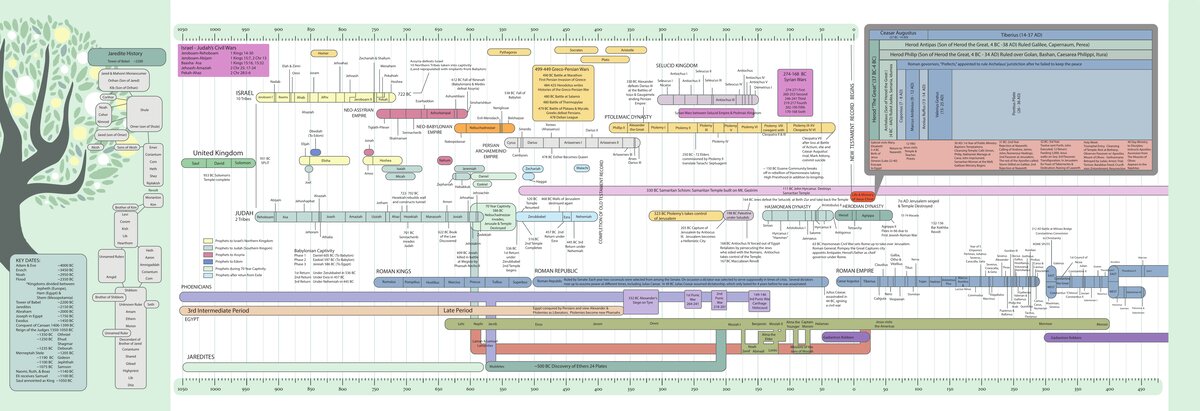
Tap to expand
Old Testament Timeline
From Creation through the Persian Period — tap the image to zoom, or download the full PDF.
Tap anywhere to close · Pinch to zoom