| Church Manuals | |
| Come Follow Me Manual | — |
| Scripture Helps | View |
| OT Seminary Teacher Manual | View |
| OT Institute Manual | View |
| Pearl of Great Price Manual | View |
| Scripture Reference | |
| Bible Dictionary | View |
| Topical Guide | View |
| Guide to the Scriptures | View |
| Church Media | |
| Gospel for Kids | View |
| Bible Videos | View |
| Church Publications & Library | |
| Church Magazines | View |
| Gospel Library | View |

Week 04
The Fall and the First Family
Genesis 3–4; Moses 4–5
January 19–25, 2026
5-Minute Overview
You'll explore the pivotal moment when Adam and Eve chose knowledge and mortality over innocence and paradise — and why Latter-day Saints see that as a courageous step forward, not a tragic mistake. Moses 5 restores remarkable details the Bible omits: Adam and Eve receiving the gospel, offering sacrifices in similitude of Christ, and being taught by angels. You'll then encounter humanity's first murder as Cain kills Abel, entering a 'secret combination' with Satan. The contrast between Cain's 'Am I my brother's keeper?' and Abel's faithful offering frames the rest of scripture.
Official Church Resources
OFFICIAL CHURCH RESOURCES
▶︎
Video Commentary

Specialized Audiences
Women's Perspectives
▶︎
Family & Children's Resources
▶︎
Reference & Study Materials

Genesis 3–4; Moses 4–5
Weekly videos

Genesis 3–4; Moses 4–5
Study & Teaching Helps
Bible Project
1 Video This Week
ACADEMIC & SCHOLARLY SITES (Homepages)
▶︎
MAPS & BIBLICAL LOCATIONS
▶︎
A Letter to Fellow Students
▶︎
We believe the Bible to be the word of God as far as it is translated correctly. There are many things in the Bible that are not translated correctly, and we've already begun to see some of them.
Last week we explored how the very first word in the Bible—בְּרֵאשִׁית (Bereshit)—is often translated incorrectly as "In the beginning" with a definite article, rather than "in a beginning" or "when God began to create." This simple translation choice has led to centuries of conflict: ex nihilo versus creation from existing matter, Big Bang debates, and arguments about the "days" of creation.
Last week in Follow Him, Dr. Rebekah Call beautifully explained how the term "help meet" (עֵזֶר כְּנֶגְדּוֹ, ezer kenegdo—help from a power/strength often compared to God) has been interpreted in ways that have been used to oppress women—both intentionally and unintentionally. This week, we'll explore how another commonly misread phrase—"he shall rule over thee"—deserves similar reexamination.
These types of misinterpretations are why it matters so much to understand what the Bible actually says. And to do that, we need to get as close to the original source materials as possible.
Why the Hebrew Lens Matters
▶︎
The Book of Mormon and the Brass Plates
▶︎
Part of what makes the Book of Mormon so valuable is that it's commentary on the Brass Plates—which contained, to a large extent, the Torah (the first five books of Moses) and other texts from the First Temple period.
The Bible as we know it today, however, was consolidated during the Second Temple period—after the First Temple had been destroyed and the Jews had been taken into Babylon.
There were significant changes between these periods: changes in language, culture, traditions, hierarchy, and the mindsets of the scribes. The destruction of Jerusalem was a devastating blow. Many people complain that they don't like the Old Testament because of how dark it is or how angry God seems. This history contributes to those impressions. The Old Testament was compiled by a community that had witnessed firsthand the severe consequences of sin. This shaped their perspective.
It's important to view these texts from that light—to afford some grace and understanding to those who experienced and sacrificed so much to record and preserve this sacred record. These were people who had seen their temple burned, their city destroyed, their families killed or scattered. They wrote from exile, from grief, from a desperate determination that what they had learned through suffering would not be lost.
When we encounter passages that seem harsh or troubling, we might ask: What had these scribes witnessed? What were they trying to preserve? What warnings did they feel compelled to pass on to future generations?
Nephi poses a penetrating question to those who would dismiss or criticize the biblical record:
"Know ye not that there are more nations than one? Know ye not that I, the Lord your God, have created all men... and I bring forth my word unto the children of men, yea, even upon all the nations of the earth? ...Thou fool, that shall say: A Bible, we have got a Bible, and we need no more Bible... Wherefore, because that ye have a Bible ye need not suppose that it contains all my words; neither need ye suppose that I have not caused more to be written. ...Know ye not that the testimony of two nations is a witness unto you that I am God?" (2 Nephi 29:7–8, 10, 13)
And then this pointed rebuke: "What thank they the Jews?" (2 Nephi 29:4).
What thanks do we owe them? The Jews preserved the Torah through exile and persecution. They maintained the prophetic writings through centuries when it would have been easier to forget. They kept the messianic hope alive—the very hope that prepared the world to receive Jesus Christ. Without their faithfulness, we would have no Old Testament, no foundation for the New Testament, no scriptural context for the Restoration.
They Preserved More Than the Record—They Preserved the Language
▶︎
Through millennia of pogroms, anti-Semitism, expulsions, and oppression, the Jewish people didn't just preserve a collection of scrolls—they preserved the language itself. They maintained Hebrew as a living liturgical language even when scattered across the world, ensuring that each generation could read the scriptures in their original tongue.
The result is remarkable textual integrity.
When the Dead Sea Scrolls were discovered at Qumran (dating from roughly 250 BC to 68 AD), scholars compared them to the Leningrad Codex—the oldest complete Hebrew Bible manuscript, dating to around 1008 AD. Despite a gap of over a thousand years, the consonantal text was virtually identical.
The primary differences? The addition of niqqud (vowel pointing) and cantillation marks (tropes for chanting) by the Masoretes in the 6th–10th centuries AD. These weren't alterations to the text—they were memory aids, designed to preserve the traditional pronunciation and interpretation as Hebrew became less commonly spoken. The Masoretes were so meticulous that they counted every letter, word, and verse, noting the middle letter of each book and creating elaborate systems to detect any copying errors.
The core content maintained its integrity across more than a millennium.
Compare this to the transmission history of the Bible in translation. As texts moved from Hebrew to Greek (the Septuagint), from Greek to Latin (the Vulgate), and from Latin into English and other languages, significant variations accumulated. Translation choices, theological biases, and simple misunderstandings compounded over centuries.
Nephi saw this coming. An angel showed him a vision of the Bible's transmission:
"Thou hast beheld that the book proceeded forth from the mouth of a Jew... it contained the fulness of the gospel of the Lord... And after they go forth by the hand of the twelve apostles of the Lamb, from the Jews unto the Gentiles, thou seest the formation of that great and abominable church... they have taken away from the gospel of the Lamb many parts which are plain and most precious; and also many covenants of the Lord have they taken away." (1 Nephi 13:24–26)
We've already seen examples of this:
- bereshit ("in a beginning" or "when God began to create") flattened into "In the beginning," causing centuries of religious and scientific tension
- ezer kenegdo ("help from a power/strength often compared to God") reduced to "help meet"—implying subordination
- And this week, yimshal-bakh ("he shall rule with you") hardened into "he shall rule over thee"—creating an imbalance of power and gender value
These aren't malicious corruptions per se, they could be, but they could also be the way things were understood, social dogmas— and they demonstrate the natural drift that frequently occurs when meaning passes through multiple languages and cultures over centuries.
This is precisely why studying the Hebrew matters. The closer we get to the original text, the more we recover what was "plain and most precious."
We owe the Jews our gratitude, not our condescension. They preserved the foundation we build upon. And when we take the time to view these writings through the lens they preserved, the clouds part. What seemed confusing becomes coherent. What felt harsh reveals its tenderness. The rewards are remarkable.
What Understanding Hebrew Unlocks
▶︎
Yes, the Old Testament is challenging. The language is ancient. The culture is foreign. Some passages make us uncomfortable. But these are not reasons to avoid it—they are invitations to dig deeper. Beneath the surface lies extraordinary beauty and wisdom, waiting for those willing to see it through a Hebraic lens.
- When we better understand the Old Testament from a Hebrew perspective, we will better understand the Book of Mormon and the New Testament
- When we better understand the culture and traditions of the Jewish people, we will better appreciate the Nephites, the Lamanites, Jesus Christ, and the Temple
Nephi explains that "none understands the words of Isaiah like the Jews" (2 Nephi 25:5). This is true of all the Old Testament.
To truly engage with these texts, we must understand the language, the culture, the feast days, the covenant traditions.
Everything You Need to Know, You Learned in Kindergarten
▶︎
This is not as overwhelming as it might seem. The old saying "Everything I needed to learn, I learned in Kindergarten" is especially true for Old Testament study.
What do we learn in Kindergarten? ABCs, 123s, Do-Re-Mi. We learn about the calendar, days of the week, holidays.
In Hebrew (and even Greek), vocabulary is fun and so informative. Unlike English—where word origins are often so distant they seem arbitrary—Hebrew and Greek words often describe or define their meanings. If you want to know what a word means, you examine its root and structure. The word itself gives you valuable clues and tremendous insights.
This is especially true for names. Names describe titles, missions, and character. Last week we explored Adam and Eve's names. This week we'll explore Cain, Abel, and Seth. And to get the most out of this, it helps to know a bit about the Hebrew alphabet—the Aleph-Bet.
Introducing the Aleph-Bet: A Brief History
▶︎
The Hebrew alphabet, as we know it today, does not look like it did during the time period of Abraham or Moses. It changed over centuries through several stages:
The Evolution of Hebrew Script
▶︎
| Period | Script | Description |
|---|---|---|
| ~1800–1500 BC | Proto-Sinaitic | Pictographic script found in Sinai; ancestor of most alphabets |
| ~1000–586 BC | Paleo-Hebrew (Ktav Ivri) | Script used during First Temple period, described as a type of "Reformed Egyptian"; what Moses, David, Isaiah, and Nephi would have written |
| ~500 BC – present | Aramaic Square Script (Ktav Ashuri) | "Assyrian script" adopted after Babylonian exile; the Hebrew letters we see today |
Why This Matters:
The script changed after the Babylonian exile. The Torah we read today uses Ktav Ashuri (the "square" letters), but the original tablets, the Brass Plates, and the texts of the First Temple period were written in Paleo-Hebrew. (What Is the Authentic Ancient Hebrew Alphabet?)
When Nephi describes writing on the plates, he's using a script closer to the Paleo-Hebrew tradition—likely integrated with Egyptian scripts. This helps us understand why the Book of Mormon was not written in the Hebrew script familiar to us today. The Imperial Aramaic "Square" or "Assyrian" script was adopted by the Jews while they were in Babylon during the 5th century BC—after Lehi's family had already left Jerusalem.
What the Book of Mormon Authors Tell Us About Their Writing
▶︎
The Book of Mormon authors are remarkably transparent about their writing system. Nephi opens his record with this statement:
"I, Nephi... make a record in the language of my father, which consists of the learning of the Jews and the language of the Egyptians." (1 Nephi 1:2)
This hybrid system—Jewish learning expressed through "Reformed Egyptian" and Egyptian characters—makes historical sense. Egyptian scripts (hieratic and demotic) were more compact than Hebrew, crucial when engraving on metal plates. Nephi's family, having lived in Jerusalem during a period of strong Egyptian cultural influence, and likely working as merchants, would have been familiar with both traditions.
Nearly a thousand years later, Mormon and Moroni confirm this writing tradition had continued—and evolved:
"And now, behold, we have written this record according to our knowledge, in the characters which are called among us the reformed Egyptian, being handed down and altered by us, according to our manner of speech. And if our plates had been sufficiently large we should have written in Hebrew; but the Hebrew hath been altered by us also; and if we could have written in Hebrew, behold, ye would have had no imperfection in our record." (Mormon 9:32–33)
Moroni adds this significant observation:
"But the Lord knoweth the things which we have written, and also that none other people knoweth our language; and because that none other people knoweth our language, therefore he hath prepared means for the interpretation thereof." (Mormon 9:34)
Why This Matters:
- The Hebrew they knew was not the Hebrew we see today. Nephi's "learning of the Jews" used Paleo-Hebrew script—the First Temple script—not the Aramaic Square Script (Ktav Ashuri) that became standard after the Babylonian exile.
- Their "reformed Egyptian" was unique to them. Over a thousand years of isolation, their writing system evolved until "none other people" knew it. This is precisely what happens with languages cut off from their source.
- The Book of Mormon sometimes preserves meanings obscured in later biblical transmission. Because Nephi's source texts (the Brass Plates) predated the Second Temple period standardization, the Book of Mormon occasionally preserves readings, phrases, concepts, and theological emphases that were softened, altered, or lost in the Hebrew Bible as it developed through the Aramaic and Masoretic tradition.
This is why studying both records together—the Hebrew Bible and the Book of Mormon—yields remarkable insights that neither provides alone.
The Alphabet as Meaning System
▶︎
Hebrew letters aren't just symbols for sounds—they carry meaning. Each letter has:
- A name (Aleph, Bet, Gimel...)
- A pictographic origin (ox, house, camel...)
- A numeric value (1, 2, 3...)
- Symbolic associations used in interpretation
We'll explore this more in future weeks, building your "Hebrew kindergarten" vocabulary step by step.
The Moedim: God's Appointed Times
▶︎
In Genesis 1:14, God declares that the lights in the heavens are for "signs, and for seasons (מוֹעֲדִים, moedim), and for days, and years."
The word moedim (singular: moed) means "appointed times"—divine appointments God made with His covenant people. These are the biblical feast days.
The 2026 Feast Day Calendar
▶︎
Understanding when these feasts occur, and a little about their history, can help us to recognize the significance of their themes throughout scripture, time, and especially in Modern LDS history, practices, and temple worship:
| Feast | Hebrew Name | 2026 Dates | Theme |
|---|---|---|---|
| Passover | פֶּסַח (Pesach) | April 2–9 | Deliverance, the Lamb, freedom from bondage |
| Firstfruits | בִּכּוּרִים (Bikkurim) | April 5 (approx.) | Resurrection, first harvest, Christ risen (Bikkor: "First-fruit" of them that slept) |
| Pentecost | שָׁבוּעוֹת (Shavuot) | May 21–23 | Giving of Torah, outpouring of Spirit |
| Trumpets | רֹאשׁ הַשָּׁנָה (Rosh Hashanah) | Sept 11–13 | New Year, judgment, awakening call to repentance. Joseph Smith received the gold plates from Moroni on this day in 1827—the angel often depicted holding a trumpet. |
| Day of Atonement | יוֹם כִּפּוּר (Yom Kippur) | Sept 20 | Atonement, fasting, reconciliation. The plural form Yom Kippurim hints at a connection with Purim (Esther's deliverance). Both feasts celebrate divine rescue—one pointing to the first coming, the other to the second. |
| Tabernacles | סֻכּוֹת (Sukkot) | Sept 25 – Oct 2 | Dwelling with God, harvest thanksgiving; symbolically anticipates the Millennial reign when God dwells among His people. |
Note: Jewish days begin at sundown the evening before.
Why This Matters for Book of Mormon Study
▶︎
The Nephites observed these same festivals. When you see Nephite prophets gathering the people for covenant ceremonies, teaching at specific seasons, or describing ritual observances—often these align with the moedim calendar. We'll point these out as we encounter them throughout the year.
Remembering Both Covenants
▶︎
As we discussed last week, President Ezra Taft Benson repeatedly reminded the Church of a sobering passage from D&C 84, given in 1832:
"And they shall remain under this condemnation until they repent and remember the new covenant, even the Book of Mormon and the former commandments which I have given them, not only to say, but to do according to that which I have written." (D&C 84:57)
President Benson noted that the word covenant can be understood as testament—as in "New Testament" and "Old Testament." The Book of Mormon is the "new covenant" (another testament of Jesus Christ), and the "former commandments" refer to the Bible—the Old Testament especially. The condemnation lifts when we remember both testimonies: not merely possessing them, but studying them as they are written, so we might learn and live in accordance with what they actually teach.
This year, as we study the Old Testament, we have an opportunity to do exactly that.
At a Glance: This Week's Themes
▶︎
This week we encounter the most consequential narrative in all of scripture: the Fall of Adam and Eve, followed by the tragic story of Cain and Abel.
Key Themes Emerging:
- Desire fulfilled is not happiness achieved—consequences accompany every choice
- The "fortunate fall"—how tragedy becomes triumph
- The serpent's dual symbolism: from curse to healing
- Adam's "rule" reconsidered: partnership, not domination
- Names that prophesy: Cain, Abel, and Seth
- The venom and the antivenom: how the Lamb produces the cure
Be Careful What You Ask For: Desire, Consequence, and Divine Wisdom
▶︎
When Wishes Come True
▶︎
Stephen Sondheim's Into the Woods famously divides its story into two acts. In the first, characters venture into the woods to obtain their deepest desires. In the second, those wishes come true—and the unforeseen consequences unfold. Similarly, in Wicked, Glinda reflects, "Happy is what happens when all your dreams come true... well, isn't it?" The implication is unmistakable: desire fulfilled is not the same as happiness achieved.
This same dynamic quietly structures the biblical Garden narrative. The judgments pronounced upon Lucifer, Adam, and Eve are not arbitrary punishments but consequential fulfillments—each is granted what they desire, yet with responsibilities and burdens they had not anticipated.
The issue is not what they want. It is how they seek it.
Desire as the Engine of the Fall
▶︎
Ancient Near Eastern literature consistently portrays desire as a potent but dangerous force. Wisdom, dominion, fertility, and legacy are not condemned; they are often divine attributes. The danger arises when such desires are seized rather than received, pursued apart from divine order.
Genesis 3 presents three desires:
- Lucifer seeks authority and dominion
- Eve seeks wisdom, fruitfulness, and life
- Adam seeks unity, relational harmony, and stewardship
God does not revoke these desires. Instead, He permits them to unfold under mortal conditions—where limitation, suffering, effort, and dependence on others are now required.
Lucifer: Dominion Without Substance
▶︎
Lucifer's ambition, reflected in later biblical and extrabiblical traditions, is not merely rebellion but rule without covenantal accountability (Isaiah 14; Ezekiel 28; Moses 4).
The curse pronounced upon the serpent—"upon thy belly shalt thou go, and dust shalt thou eat all the days of thy life" (Genesis 3:14)—draws deeply on ANE symbolism. In biblical and Near Eastern idiom, dust represents mortality, humiliation, and defeat. To "eat dust" is a stock curse formula signifying subjugation (cf. Micah 7:17).
Lucifer is granted dominion—but only over the external and superficial: bodies, appetites, idols, appearances. God retains claim over the souls of humanity. Thus, the one who sought to be above all becomes beneath all, exercising power that is real but hollow—loud, yet devoid of real substance and creative capacity.
Eve: Motherhood as Sacred Burden
▶︎
Eve's desire for wisdom and fruitfulness aligns with ANE conceptions of motherhood as a sacred vocation tied to covenant continuity. God grants her desire: she becomes "the mother of all living" (Genesis 3:20).
Yet the path is demanding. The Hebrew term often translated "pain" in childbirth—עִצָּבוֹן (ʿiṣṣābôn)—also connotes toil, sorrow, and intense exertion. The same term is later applied to Adam's labor in the soil, linking creation of life and provision of life as parallel burdens.
Motherhood becomes physically demanding, emotionally consuming, and spiritually refining. Eve is entrusted with God's most precious possession—His children—and when the burden becomes overwhelming, she is directed toward her husband for support, not domination.
Adam's Role Revisited: Ruling With, Not Over
▶︎
Genesis 3:16 is frequently translated, "and he shall rule over thee." However, the Hebrew grammar does not require this hierarchical reading.
The phrase reads:
וְהוּא יִמְשָׁל־בָּךְ
ve·hūʾ yim·shāl–bākh
The key term is בָּךְ (bākh), formed from the preposition בְּ (bet). In Biblical Hebrew, bet commonly expresses association, shared action, or relational involvement, not dominance. When Scripture intends "over" in a hierarchical sense, it typically uses עַל (ʿal) or תַּחַת (taḥat), neither of which appears here.
The verb מָשַׁל (māshal, "to rule") also does not imply tyranny. It frequently denotes responsible governance or stewardship, including non-coercive oversight (cf. Genesis 1:18, where the sun and moon "rule" day and night).
Thus, Adam's "rule" is best understood as protective stewardship exercised with Eve, not authority imposed upon her.
What Genesis 3:16 Does Not Say: Genesis 3:16 is descriptive, not prescriptive. It explains the conditions of mortal life, not God's ideal social order. Like pain in childbirth or labor in the soil, relational strain is presented as a burden, not a blessing. Earlier in Genesis, Adam and Eve are jointly commissioned to "rule" (רָדָה, radah) the earth together (Genesis 1:26–28). The Fall introduces distortion, not divine endorsement of domination.
Desire Granted, Burden Revealed
▶︎
| Who | Desire | What They Receive |
|---|---|---|
| Lucifer | Power without responsibility | Hollow dominion |
| Eve | Life and wisdom | Motherhood with refinement |
| Adam | Unity and stewardship | Provision through sacrifice |
Each desire is granted. Each carries cost. Each becomes a path of transformation.
Conclusion: Wisdom Before Fulfillment
▶︎
Genesis 3 does not condemn desire. It educates it.
God's counsel to Adam and Eve is not wrathful but preparatory. He explains that the road ahead will be harder than they expect—but also meaningful beyond what innocence could comprehend.
Like the second act of Into the Woods, mortality is where wishes mature into wisdom—or collapse into regret.
The lesson is enduring:
The danger is not wanting divine things. The danger is trying to take them without becoming divine ourselves.
The Fortunate Fall: Adam and Eve's Testimony
▶︎
Latter-day Saint theology transforms the Fall from tragedy to necessity. Moses 5:10–11 preserves Adam and Eve's own testimony—the clearest scriptural statement of what scholars call the felix culpa ("fortunate fall"):
"Blessed be the name of God, for because of my transgression my eyes are opened, and in this life I shall have joy, and again in the flesh I shall see God."
>
"Were it not for our transgression we never should have had seed, and never should have known good and evil, and the joy of our redemption, and the eternal life which God giveth unto all the obedient."
This is not passive resignation. Adam and Eve bless God for the transgression that opened their eyes. The knowledge that brought death also made possible the knowledge of redemption.
Word Studies: Names That Prophesy
▶︎
Cain: The Acquired One
▶︎
קַיִן
| Element | Details |
|---|---|
| Strong's Number | H7014 |
| Transliteration | Qayin |
| Pronunciation | KAH-yin |
| Root | q-n-h (ק-נ-ה) |
| Root Meaning | To acquire, get, possess; also: spear, smith |
Etymology: Eve names her firstborn with the exclamation: "I have gotten (qaniti) a man from the LORD" (Genesis 4:1). The name celebrates acquisition—Eve has obtained what she desired: offspring, posterity, life continuing.
Irony: The name that celebrates "getting" belongs to one who tries to "get" his way with God through his own terms, then "gets rid of" his brother. Cain becomes defined not by what he acquired but by what he lost.
The Smith Connection: The root qayin also means "smith"—a metalworker. This connection appears in Cain's own lineage: his descendant Tubal-cain (literally meaning "worldly-smith" becomes "an instructor of every artificer in brass and iron" (Genesis 4:22). The very name Tubal-cain reinforces the smithing association. Cain's line becomes known for technological innovation—city-building, metallurgy, weaponry, musical instrument manufacturing, animal husbandry—impressive human achievements that are sometimes pursued apart from covenant connection.
A Linguistic Connection: Interestingly, the term "Canaanite" (כְּנַעֲנִי, Kena'ani) shares a similar root (q-n-h/k-n-') and came to mean not just the ethnic group but also "merchant" or "trader." Throughout the ancient Near East, the Canaanites were known as skilled craftsmen, metalworkers, and traders—the merchant class. By the time of the prophets, "Canaanite" had become virtually synonymous with "merchant" (see Zechariah 14:21; Proverbs 31:24 where the same word is translated "merchant").
Note: This is an etymological connection, not a genealogical one. The Canaanites descend from Canaan, son of Ham, grandson of Noah (Genesis 10:6)—not from Cain. However, the linguistic overlap is striking: both names connect to commerce, acquisition, and craftsmanship.
A Note on Names and Agency: The Hebrew word for "name" is shem (שֵׁם)—meaning name, reputation, or fame. A name describes potential, title, mission, and purpose—but it does not dictate how that name will be lived out. Names can represent a spectrum of possibilities, and the same name can be actualized in vastly different ways.
Consider: "Joseph Smith" carries associations with both smithing and acquisition (Yoseph, יוֹסֵף = "he will add"). The Prophet Joseph Smith became a spiritual smith—forging covenants, building temples, restoring keys. The name's associations with craftsmanship and increase found their highest expression in his prophetic mission.
Cain had the same agency, and possibly potential. His name celebrated acquisition and carried associations with skilled craftsmanship. He could have become a righteous builder, a covenant-keeper who used his gifts to bless others. The tragedy is not in the name but in the choice. Cain's story reminds us that names describe potential—what we do with that potential remains ours to decide.
His lineage builds cities, forges metal, and develops the arts, but the covenant line was passed through Seth instead.
Abel: The Breath That Passes
▶︎
הֶבֶל
| Element | Details |
|---|---|
| Strong's Number | H1893 |
| Transliteration | Hevel |
| Pronunciation | HEH-vel |
| Root | h-b-l (ה-ב-ל) |
| Root Meaning | Breath, vapor, mist; that which passes quickly |
Etymology: Hevel is the word Ecclesiastes uses repeatedly for "vanity"—"Vanity of vanities (hevel havalim), all is vanity (hevel)" (Ecclesiastes 1:2). It describes something fleeting, insubstantial, like morning mist that evaporates.
Prophetic Name: Why would Eve name her second son "Breath" or "Vapor"? The name seems to foreshadow Abel's brief life. He passes quickly—his existence cut short, his potential unfulfilled in mortality.
Theological Depth: Yet breath is also life itself. God breathed (נְשָׁמָה, neshamah) into Adam. Abel's "vapor" life becomes eternal through his righteous offering. What seemed fleeting becomes permanent in God's memory: "The voice of thy brother's blood crieth unto me from the ground" (Genesis 4:10). The world may forget, but God remembers.
The Contrast: Cain = Acquired, Permanent, Substantial | Abel = Breath, Fleeting, Insubstantiated
Yet the "substantial" one becomes a wanderer with no home, while the "fleeting" one's offering is accepted and his witness endures forever (Hebrews 11:4).
Seth: The Appointed Replacement
▶︎
שֵׁת
| Element | Details |
|---|---|
| Strong's Number | H8352 |
| Transliteration | Shet |
| Pronunciation | SHET |
| Root | sh-t (שׁ-ת) |
| Root Meaning | To set, place, appoint, substitute |
Etymology: Eve's explanation is clear: "God hath appointed (shat) me another seed instead of Abel, whom Cain slew" (Genesis 4:25). Seth is the divinely appointed replacement—the substitute through whom the covenant line continues.
Theological Significance: Through Seth comes Enoch, Noah, Abraham, and ultimately Jesus Christ. The "appointed one" becomes the ancestor of THE Appointed One. Where Cain's line ends in the flood, Seth's line carries the promise forward.
The Pattern: Seth's role as "substitute" or "appointed replacement" foreshadows Christ's role as the one appointed to stand in our place. Through Seth's line comes the ultimate "Appointed One" who would bear the marks of covenant in His own body and seal the human family to God.
Serpent Symbolism: From Curse to Healing
▶︎
The Forked Tongue: Wisdom or Deceit?
▶︎
The serpent's most distinctive feature—its forked tongue—carries dual symbolic weight:
- Negative: The forked tongue represents double-speak, deception, saying one thing while meaning another
- Positive: Some ancient traditions associated the forked tongue with discernment—the ability to "taste" truth and detect what is hidden
Christ employed the positive serpent symbolism:
"Behold, I send you forth as sheep in the midst of wolves: be ye therefore wise as serpents, and harmless as doves." (Matthew 10:16)
Here Christ pairs the serpent's wisdom with the dove's innocence—discernment without deception, awareness without malice.
Moses' Brazen Serpent: Symbol of Christ
▶︎
One of scripture's most striking paradoxes is Moses' use of a serpent as a symbol of healing:
"And the LORD said unto Moses, Make thee a fiery serpent, and set it upon a pole: and it shall come to pass, that every one that is bitten, when he looketh upon it, shall live." (Numbers 21:8)
Jesus applied this directly to Himself:
"And as Moses lifted up the serpent in the wilderness, even so must the Son of man be lifted up: That whosoever believeth in him should not perish, but have eternal life." (John 3:14–15)
| Element | Serpent in Eden | Brazen Serpent |
|---|---|---|
| Agent | Satan (deceiver) | Symbol of Christ (healer) |
| Action | Brings death through deception | Brings life through faith |
| Looking | Eve looked and was beguiled | Israel looked and was healed |
The same image—a serpent—represents both the problem and the solution. Christ entered the realm of death and sin to destroy death and sin from within.
Venom and Antivenom: A Parable of the Atonement
▶︎
Perhaps the most profound serpent symbolism lies in how antivenom actually works:
- Venom extraction: Small amounts of venom are collected from venomous snakes
- Injection into livestock: The venom is injected into a host animal—often horses, sheep, or lambs
- Immune response: The animal's body produces antibodies to neutralize the venom
- Blood collection: Blood is drawn from the animal
- Antibody extraction: These antibodies become the antivenom that saves human lives
The fact that lambs are used creates a stunning theological parallel:
| Antivenom Process | Atonement of Christ |
|---|---|
| Venom (poison) injected into lamb | Sin (spiritual poison) placed upon the Lamb of God |
| Lamb suffers the effects | Christ suffered for all sin (Isaiah 53:4–5) |
| Lamb's body produces antibodies | Christ's suffering produces healing power |
| Blood is drawn from the lamb | Christ's blood was shed (Mosiah 3:7) |
| Antivenom heals those bitten | Christ's Atonement heals those bitten by sin |
| Looking to the cure brings healing | Looking to Christ brings salvation (John 3:14–15) |
The Apostle John, who recorded Christ's comparison to the brazen serpent, also wrote:
"Behold the Lamb of God, which taketh away the sin of the world." (John 1:29)
The serpent and the lamb—the venom and the antivenom—converge in Christ. He took upon Himself the venom of sin, and His blood produces the healing that saves all who will look to Him and live.
The Protoevangelium: The First Gospel
▶︎
Genesis 3:15 contains the first Messianic prophecy:
"And I will put enmity between thee and the woman, and between thy seed and her seed; it shall bruise thy head, and thou shalt bruise his heel."
Key Elements:
- "Her seed" — unusual phrase; seed is typically reckoned through the father
- "Bruise thy head" — a fatal wound to the serpent
- "Bruise his heel" — a painful but non-fatal wound
The serpent (Satan) would "bruise" Christ's heel (the suffering and death of the cross), but Christ would "bruise" the serpent's head (destroy Satan's power through the Atonement and Resurrection).
The Ouroboros Contrast
▶︎
The imagery of head and tail—one striking the other—echoes the ancient ouroboros, the serpent eating its own tail, symbolizing eternal cycles without resolution. But Genesis 3:15 breaks the cycle. The serpent's head is crushed. This is not cyclical but linear and decisive.
Where pagan traditions saw the serpent as a symbol of eternal cycles (death leading to rebirth leading to death), the biblical narrative sees the serpent's power as broken—not recycled but ended. The Atonement is not one turn of an eternal wheel but the decisive act that shatters the wheel itself.
Cain and Abel: The Offering and the Keeper
▶︎
What Made Abel's Offering Acceptable?
▶︎
Genesis 4 describes the offerings but doesn't explicitly state why Abel's was accepted and Cain's rejected. Moses 5 provides the answer: "Satan commanded him" to make his offering (Moses 5:18).
Adam was commanded to offer "the firstlings of their flocks" as "a similitude of the sacrifice of the Only Begotten" (Moses 5:7). Abel followed this pattern; Cain invented his own approach.
If qorban (offering) comes from the root qarav meaning "to draw near," then Cain's rejected offering represents failed approach to God. The offering failed not because of the material but because Cain's heart was not drawn near.
Sin Crouching at the Door
▶︎
Genesis 4:7 provides the first explicit mention of "sin" (חַטָּאת, chattat) in Scripture:
"If thou doest not well, sin lieth at the door."
The Hebrew is vivid: sin is personified as a predator "crouching" (רֹבֵץ, rovets)—the verb describes a lion or wild animal ready to spring. Sin is not passive; it actively stalks its prey.
Yet God assures Cain: "thou shalt rule over him." Mastery over sin is possible. The choice is his.
Temple Connections
▶︎
The cherubim at Eden's gate establish a pattern that continues throughout scripture:
- Eden — Cherubim guard the way to the Tree of Life after the Fall
- Tabernacle — Cherubim woven into the veil separating Holy Place from Holy of Holies
- Ark of the Covenant — Cherubim form the mercy seat where God's presence dwells
- Solomon's Temple — Massive cherubim overshadow the Ark
- Ezekiel's Vision — Cherubim bear God's throne-chariot
Latter-day Saint Temple Connection: The veil represents Jesus Christ—the only way to pass from mortality into the Father's presence. Those who stand as sentinels at the veil echo the guardian function of the cherubim at Eden's gate. Through covenant, we pass the guardians and return to God's presence.
Practical Applications
▶︎
For Personal Study
▶︎
- Read Moses 4 before Genesis 3 for the fuller context of Satan's identity and motives
- Note how Moses 5:1–15 reveals that Adam and Eve received the gospel after the Fall—baptism, sacrifice, the gift of the Holy Ghost
- Consider: What desires do you hold? Are you seeking them through divine order or seizing them outside of it?
For Family Discussion
▶︎
- Why was the Fall necessary for God's plan?
- What do the names Cain, Abel, and Seth teach us about their missions?
- In what ways are we our "brother's keeper"?
For Teaching
▶︎
- Use the desire-consequence pattern: each person in the narrative got what they wanted—but not how they expected
- Emphasize that Genesis 3:16 is descriptive, not prescriptive—describing mortal conditions, not divine ideals
- Connect the venom/antivenom parable to how Christ saves us
Looking Ahead: Building Your Hebrew Toolkit
▶︎
Over the coming weeks, we'll continue building your "Hebrew kindergarten":
- ABCs — Key Hebrew letters and their meanings
- 123s — How Hebrew numbers work (and why "days" might not mean what we think)
- Calendar — The moedim feast days and how they illuminate scripture
- Names — The prophetic meanings hidden in biblical names
These tools will help you read the Old Testament, the Book of Mormon, and the New Testament with new eyes—seeing what the original authors intended and what generations of translation have obscured.
Closing Thought
▶︎
The Garden narrative is not a cautionary tale about the dangers of desire. It is an education in how to desire—and from whom to receive.
Lucifer wanted glory without covenant. He received hollow dominion.
Eve wanted wisdom and life. She received motherhood with all its refinement.
Adam wanted unity. He received the sacred burden of stewardship and sacrifice.
Every desire was granted. Every path led through mortality's thorns and thistles. And at the center of it all, the Lamb took upon Himself the venom so that His blood might become the antivenom.
The serpent lifted up in the wilderness points forward to the Lamb of God lifted up on the cross. Those who look and live discover what Eve finally understood:
"Were it not for our transgression... we never should have known the joy of our redemption."
Original content by CFM Corner
Weekly Insights Version 2.0 | January 19, 2026
Sources
▶︎
Week 4
Genesis 3–4; Moses 4–5
"The Fall of Adam and Eve"
January 19–25, 2026
1. Week Overview
"The Fall of Adam and Eve"
This week we encounter one of the most consequential narratives in all of scripture: the Fall of Adam and Eve, followed by the tragic story of Cain and Abel. These chapters establish the pattern of agency, consequence, and redemption that echoes throughout the entire biblical narrative.
Primary Texts
| Scripture | Chapter(s) | Focus |
|---|---|---|
| Genesis 3 | The Fall | The serpent, transgression, consequences, expulsion |
| Genesis 4 | Cain & Abel | First siblings, offerings, murder, curse, genealogy |
| Moses 4 | The Fall (expanded) | Satan's premortal rebellion, additional details |
| Moses 5 | Cain & Abel (expanded) | Gospel taught to Adam, Cain's secret combinations |
Original Content
📖 Genesis vs Moses: Fall Accounts Side-by-Side Comparison
Suggested Reading Order
- Moses 4 — Read this first for the fuller context of Satan's identity and motives
- Genesis 3 — Compare with Moses 4, noting differences
- Moses 5:1–15 — Adam and Eve receive the gospel after the Fall
- Moses 5:16–59 — Cain and Abel narrative with expanded details
- Genesis 4 — Compare with Moses 5
1. The Fortunate Fall
The Latter-day Saint understanding transforms the Fall from tragedy to necessity. Eve's choice opened the door to mortality, agency, and ultimately exaltation.
> "Adam fell that men might be; and men are, that they might have joy." (2 Nephi 2:25)
2. Agency and Accountability
Both narratives center on choice and consequence:
- Eden: Choice between ignorance in paradise and knowledge with mortality
- Cain & Abel: Choice between righteous offering and jealous murder
3. The First Gospel Ordinances
Moses 5 reveals that Adam and Eve received baptism, the gift of the Holy Ghost, and the law of sacrifice—establishing that the gospel existed from the beginning.
4. Sacrifice Points to Christ
Abel's acceptable offering foreshadows Christ; Cain's rejection establishes the pattern of those who "loved Satan more than God" (Moses 5:18).
5. Brother's Keeper
Cain's infamous question—"Am I my brother's keeper?"—raises enduring questions about human responsibility and community.
| Element | Genesis | Moses |
|---|---|---|
| Serpent's identity | Unnamed "serpent" | Explicitly Satan (Moses 4:4) |
| Satan's motive | Not stated | "Sought to destroy the agency of man" (Moses 4:3) |
| Post-Fall instruction | Expulsion only | Adam receives gospel, baptism, Holy Ghost (Moses 5:6–9) |
| Why Cain's offering rejected | Not explained | "Satan commanded him" to offer (Moses 5:18) |
| Cain's conspiracy | Not mentioned | Secret combination with Satan (Moses 5:29–31) |
Featured Original Content
- The Fall: Tragedy or Triumph? — Exploring the "fortunate fall" doctrine
- Two Brothers, Two Offerings — What made Abel's acceptable?
Word Studies Preview
- nachash (נָחָשׁ) — Serpent
- ʿarum (עָרוּם) — Cunning/Naked (wordplay)
- chava (חַוָּה) — Eve/Life
- qorban (קָרְבָּן) — Offering/Drawing near
- dam (דָּם) — Blood
- shomer (שֹׁמֵר) — Keeper/Guardian
- Why was the Fall necessary for God's plan?
- What does Moses 4 reveal about Satan's motives that Genesis omits?
- How does Moses 5 change our understanding of Adam and Eve's post-Fall life?
- What made Abel's offering acceptable and Cain's rejected?
- In what ways are we our "brother's keeper"?
The official manual emphasizes:
- The Fall as part of God's plan
- Agency and its consequences
- The immediate teaching of the gospel to Adam and Eve
- The contrast between Cain and Abel's choices
| *Week 04 Study Guide | CFM Corner | OT 2026* |
|---|
2. Historical & Cultural Context
Time Period
Approximate Dates:
- The Events Described: Primordial history—before recorded chronology
- Genesis 3–4 Composition: Traditionally attributed to Moses (~1446 BC); scholarly dating varies
- Moses 4–5 Restoration: June 1830, as Joseph Smith began his inspired revision of the Bible
Biblical Era: Pre-history / The Beginning
World Historical Context: Like the creation accounts, the Fall narrative addresses events before recorded history. However, the recording occurred within specific cultural contexts. Moses wrote after exposure to Egyptian religion; his audience had just left a land saturated with serpent worship, fertility cults, and myths about divine knowledge. The Genesis account directly challenges these alternative narratives.
Geographic Setting
Primary Locations:
| Location | Modern Region | Significance |
|---|---|---|
| Garden of Eden | Unknown (traditionally Mesopotamian region) | The original sanctuary where God dwelt with humanity |
| East of Eden | Directional, symbolic | Where Cain settled after exile—movement away from God's presence |
| Land of Nod | Unknown ("Wandering") | Cain's place of exile; the name itself means "wandering" |
| Cherubim and Flaming Sword | Eastern entrance to Eden | Guards the way to the Tree of Life |
Note on Eden's Geography: The eastward movement in Genesis 3–4 is theologically significant. Adam and Eve are expelled "eastward" (Genesis 3:24); Cain goes "east of Eden" (Genesis 4:16). In temple geography, east represents departure from God's presence, while west (toward the Holy of Holies) represents approach to God.
Why ANE Context Matters for These Chapters
The Fall narrative entered a world filled with competing explanations for human mortality, suffering, and evil. Egyptian, Mesopotamian, and Canaanite cultures all had stories about serpents, divine knowledge, and the origins of death. Understanding these alternatives reveals what Genesis affirms and denies.
Serpent Symbolism in the Ancient World
The serpent was a complex symbol across ANE cultures:
| Culture | Serpent Association | Significance |
|---|---|---|
| Egypt | Wadjet, Apophis, Uraeus | Both protective (cobra on pharaoh's crown) and chaotic (Apophis, enemy of Ra) |
| Mesopotamia | Ningishzida, healing serpents | Associated with fertility, wisdom, and the underworld |
| Canaan | Fertility cults, Asherah poles | Serpents linked to agricultural fertility and goddess worship |
| Minoan/Aegean | Snake Goddess figurines | Fertility, tree symbolism, serpents — strikingly parallel to Eve imagery |
| Greece | Asclepius, Python | Healing, oracular wisdom, chthonic power |
The Minoan Snake Goddess: The Minoan snake goddess figurines (c. 1600 BC) from Crete are particularly striking in the context of Genesis 3. These figures depict a female holding serpents, associated with:
- Fertility and motherhood — the goddess blesses reproduction
- Tree/nature symbolism — often depicted with vegetation or sacred trees
- Serpent wisdom — snakes as conduits of divine knowledge
The combination of woman, serpent, and tree/fertility in these figurines parallels the Genesis 3 narrative in remarkable ways. Whether this represents cultural diffusion, shared symbolism, or independent development, it demonstrates that the woman-serpent-tree complex was widespread in the ancient Mediterranean world. Genesis takes these familiar symbols and reinterprets them within Israel's monotheistic framework — the woman becomes the mother of all living, the serpent is demoted to a cursed creature used by Satan, and the tree represents God's boundary for humanity.
What Genesis Corrects:
- Serpent is not divine: Unlike ANE traditions where serpents represented deities or divine wisdom, Genesis presents the serpent as a creature—"more cunning than any beast of the field which the LORD God had made" (Genesis 3:1)
- Moses reveals the serpent's identity: The Genesis account leaves the serpent's ultimate identity ambiguous, but Moses 4:4 explicitly identifies him as Satan, "the father of all lies"
- Serpent worship is idolatry: By demoting the serpent to a cursed creature, Genesis undermines the serpent cults Israel would encounter
The Quest for Divine Knowledge
ANE Parallels to "Knowing Good and Evil":
In Mesopotamian literature, the gods often jealously guard knowledge from humans:
- Epic of Gilgamesh: Gilgamesh seeks immortality; the serpent steals the plant of rejuvenation
- Adapa Myth: Adapa is offered immortality by the gods but is tricked into refusing it
- Atrahasis Epic: The gods create humans as servants but limit their power and lifespan
What Genesis Corrects:
- God is not jealous of humanity: The prohibition of the tree was for protection, not divine insecurity
- Knowledge itself is not evil: The issue was disobedience, not the pursuit of understanding
- Death came through transgression, not divine spite: Unlike myths where gods capriciously withhold immortality
Garden/Paradise Traditions
ANE Sacred Gardens:
| Tradition | Description | Significance |
|---|---|---|
| Mesopotamian | Temple gardens, "paradise" (pardes) | Gardens surrounding temples as sacred space |
| Egyptian | Temple precincts with pools, trees | Gardens representing primordial order |
| Persian | Enclosed royal gardens (pairidaeza) | Origin of English "paradise" |
Eden as Cosmic Temple: The Garden of Eden functions as the first temple—a sacred space where heaven and earth meet, where God walks with humanity, and where cherubim guard the holy place. The expulsion from Eden parallels being barred from the temple.
Temple Imagery in Genesis 3:
- God "walking" in the garden (Genesis 3:8) — divine presence language
- Cherubim guarding the entrance (Genesis 3:24) — temple guardians
- Tree of Life at the center — later appears in temple symbolism
- Eastward expulsion — leaving the presence of God
Cherubim: Divine Guardians Across Cultures
What Are Cherubim?
The Hebrew כְּרוּבִים (keruvim, plural of keruv, H3742) describes powerful supernatural beings who serve as guardians of sacred space and divine throne bearers. Genesis 3:24 provides the first biblical reference: cherubim placed at Eden's eastern entrance with a flaming sword to guard the way to the Tree of Life.
Biblical Descriptions of Cherubim:
| Passage | Description | Function |
|---|---|---|
| Genesis 3:24 | Cherubim with flaming sword | Guard the way to the Tree of Life |
| Exodus 25:18–22 | Two cherubim of gold on the Ark | God speaks from between them |
| Exodus 26:1 | Cherubim woven into tabernacle curtains | Decorative/symbolic guardians |
| 1 Kings 6:23–28 | Two olive-wood cherubim (15 feet tall) | Overshadow the Ark in Solomon's Temple |
| Ezekiel 1:5–14 | Four living creatures with four faces (human, lion, ox, eagle), four wings | Throne bearers, divine chariot |
| Ezekiel 10:1–22 | Identified as cherubim | Same as the living creatures |
Cherubim in ANE Art and Mythology:
The cherubim of the Bible did not emerge in a vacuum. Similar composite guardian creatures appear throughout the ancient Near East and Mediterranean:
| Culture | Creature | Description | Function |
|---|---|---|---|
| Mesopotamia | Lamassu / Shedu | Human head, bull or lion body, eagle wings | Guardian of palace gates, throne rooms |
| Mesopotamia | Kuribu | Winged human-animal composite | Intercessor beings, possibly the etymological source of "cherub" |
| Egypt | Sphinx | Human head, lion body | Guardian of sacred spaces, royal tombs |
| Egypt | Throne lions | Lions flanking pharaoh's throne | Royal authority, divine protection |
| Minoan/Aegean | Griffin | Eagle head, lion body, wings | Throne guardians at Knossos; protectors of the sacred |
| Assyria | Winged bulls/lions | Human head, lion/bull body, wings | Monumental gate guardians (Nineveh, Khorsabad) |
| Canaan | Winged sphinxes | Composite creatures | Throne supports, sacred furniture |
The Griffin Throne at Knossos:
The Palace of Knossos (c. 1700–1400 BC) on Crete features a remarkable throne room with griffin frescoes flanking the throne. These creatures — eagle-headed lions with wings — served as divine guardians protecting the seat of authority. The parallels to biblical cherubim are striking:
- Composite nature: Griffins combine eagle (sky/divine realm) and lion (earthly power) — similar to Ezekiel's four-faced cherubim
- Throne association: Positioned to flank and protect the royal seat — exactly as cherubim overshadow the Ark (God's throne)
- Guardian function: Protecting sacred/royal space from unauthorized approach
- Intimidating presence: Designed to inspire awe and mark boundaries
The Minoan throne room, with its griffins and ritual basin, may represent a sacred space where divine and royal authority intersected — a parallel to the Holy of Holies.
Egyptian Throne Lions:
Egyptian royal iconography consistently depicts lions flanking the pharaoh's throne. These were not merely decorative:
- Lions represented Aker, the guardian of the horizon and the boundary between worlds
- The pharaoh's throne was a microcosm of cosmic order
- Lions protected the boundary between the divine king and ordinary mortals
- The sphinx (lion body, human head) guarded tombs and temples
When Israelites left Egypt, they carried mental images of throne guardians — composite creatures marking sacred boundaries and protecting divine presence.
*Mesopotamian Lamassu and Kuribu:*
The massive winged bulls (lamassu) at Assyrian palaces (Nineveh, Khorsabad, Nimrud) are among the most recognizable ANE artifacts:
- Five legs: Designed to appear standing from the front and walking from the side
- Human head with divine crown: Intelligence and divine authority
- Bull/lion body: Power and strength
- Eagle wings: Connection to the heavens
The Akkadian term kuribu (a protective spirit) is likely the etymological source of Hebrew keruv (cherub). These beings served as intercessors and protectors in Mesopotamian religion.
What Makes Biblical Cherubim Distinct:
While sharing the guardian function and composite imagery of ANE parallels, biblical cherubim serve Israel's unique theology:
| ANE Creatures | Biblical Cherubim |
|---|---|
| Protect kings and palaces | Protect God's presence and throne |
| Often worshipped or invoked | Never worshipped; servants of God |
| Represent various deities | Serve the one true God |
| Static architectural features | Living beings who move (Ezekiel) |
| Guard human authority | Guard divine-human boundary |
Cherubim and Temple Theology:
The placement of cherubim in Genesis 3:24 establishes a pattern that continues throughout scripture:
- Eden: Cherubim guard the way to the Tree of Life after the Fall
- Tabernacle: Cherubim woven into the veil separating Holy Place from Holy of Holies
- Ark of the Covenant: Cherubim form the mercy seat where God's presence dwells
- Solomon's Temple: Massive cherubim overshadow the Ark
- Ezekiel's Vision: Cherubim bear God's throne-chariot
The cherubim mark the boundary between the profane and the holy, between humanity's current state and God's immediate presence. To pass the cherubim is to enter sacred space — or, as in Eden, to be barred from it.
Latter-day Saint Temple Connections:
Latter-day Saint temples carry forward this cherubim symbolism in significant ways:
- The veil represents Jesus Christ — the only way to pass from mortality into the Father's presence. Christ is "the way, the truth, and the life" (John 14:6), and it is through Him that we return to God.
- Angels as sentinels correspond more directly to the cherubim. Those who stand as sentinels at the veil echo the guardian function of the cherubim at Eden's gate — marking the boundary between the sacred and the common, ensuring that only those properly prepared may pass.
The pattern established in Genesis 3:24 — guardians at the threshold of God's presence — continues in temple worship, where passing the sentinels and through the veil represents reversing the expulsion from Eden and returning to God's presence through Christ.
Throne Theophanies: Dionysius the Areopagite and Celestial Hierarchies
Connections from D&C Study:
In studying the Doctrine and Covenants (particularly D&C 76–77), we explored the writings of Dionysius the Areopagite (c. 5th–6th century AD), whose Celestial Hierarchy profoundly influenced Christian understanding of angelic beings — including cherubim and seraphim.
Seraphim: The "Burning Ones" — Flying Serpents
The Hebrew שְׂרָפִים (seraphim, H8314) literally means "burning ones" or "fiery ones." Remarkably, the same word is used in Numbers 21:6 for the "fiery serpents" (נְחָשִׁים שְׂרָפִים, nechashim seraphim) that bit the Israelites — and in Isaiah 14:29 and 30:6 for "flying serpents" (שָׂרָף מְעוֹפֵף, saraph me'opheph).
In Isaiah 6:2, seraphim appear as celestial beings with six wings attending God's throne — two covering the face, two covering the feet, and two for flying. The connection between these throne attendants and the fiery/flying serpents of other passages is striking:
| Passage | Term | Description |
|---|---|---|
| Numbers 21:6 | seraphim | Fiery serpents that bite Israel |
| Numbers 21:8 | saraph | The bronze serpent Moses made |
| Isaiah 6:2, 6 | seraphim | Six-winged throne attendants |
| Isaiah 14:29 | saraph me'opheph | Flying serpent |
| Isaiah 30:6 | saraph me'opheph | Flying fiery serpent |
This linguistic connection reinforces the serpent's dual symbolism: the same root describes both the deadly serpents in the wilderness and the holy beings who cry "Holy, holy, holy" before God's throne. The seraphim — literally "burning/flying serpents" — embody the transformation of the serpent symbol from death-dealer to divine attendant.
Dionysius's Celestial Hierarchy:
| Triad | Rank | Beings | Function |
|---|---|---|---|
| First (Closest to God) | 1 | Seraphim | Burning love, purification |
| 2 | Cherubim | Divine wisdom, knowledge | |
| 3 | Thrones | Divine justice, stability | |
| Second | 4 | Dominions | Leadership, governance |
| 5 | Virtues | Miracles, courage | |
| 6 | Powers | Protection against evil | |
| Third (Closest to humans) | 7 | Principalities | Nations, peoples |
| 8 | Archangels | Major messages | |
| 9 | Angels | Individual guidance |
Throne Theophany Pattern:
What connects Genesis 3's cherubim, Ezekiel's vision, Isaiah 6's seraphim, and D&C 76–77 is the recurring pattern of throne theophany — a vision of God enthroned, surrounded by celestial attendants:
| Vision | Attendants | Throne Element | Key Symbol |
|---|---|---|---|
| Genesis 3:24 | Cherubim | Guarded entry to God's presence | Flaming sword |
| Exodus 25:22 | Cherubim | Mercy seat (God's throne) | Gold, wings overshadowing |
| 1 Kings 22:19 | Host of heaven | God on his throne | Standing attendants |
| Isaiah 6:1–3 | Seraphim | God "high and lifted up" | "Holy, holy, holy" |
| Ezekiel 1 & 10 | Cherubim / Living creatures | Throne-chariot (merkavah) | Wheels, fire, four faces |
| Daniel 7:9–10 | Ten thousand attendants | Ancient of Days | River of fire, books |
| Revelation 4–5 | Four living creatures, elders | Throne with rainbow | "Holy, holy, holy" |
| D&C 76:21 | Holy angels, celestial beings | "The throne of God" | Glory beyond description |
Why This Matters for Genesis 3:
The cherubim at Eden's gate are the first biblical instance of this pattern. They introduce the reality that returning to God's presence requires passing guardians who mark the boundary between the holy and the common. Every subsequent throne theophany builds on this foundation. The cherubim at Eden foreshadow the cherubim on the Ark, in the Temple, and in Ezekiel's chariot-throne vision.
Serpent Symbolism: From Eden to Healing
The Forked Tongue: Wisdom or Deceit?
When Adam named the creatures, the serpent (נָחָשׁ, nachash) received a name connected to divination, enchantment, and hidden knowledge (see H5172). The serpent's most distinctive physical feature — its forked tongue — carries profound symbolic weight:
- In negative symbolism: The forked tongue represents double-speak, deception, saying one thing while meaning another. The serpent in Genesis 3 exemplifies this — his words sound like wisdom ("your eyes shall be opened") while concealing destruction.
- In positive symbolism: Some ancient traditions associated the forked tongue with discernment — the ability to "taste" truth and detect what is hidden. Serpents' tongues are chemosensory organs that "read" the environment in ways other creatures cannot.
Christ's Use of Serpent Wisdom:
Jesus Himself employed this positive serpent symbolism when instructing His disciples:
> "Behold, I send you forth as sheep in the midst of wolves: be ye therefore wise as serpents, and harmless as doves." (Matthew 10:16)
Here Christ pairs the serpent's wisdom with the dove's innocence — discernment without deception, awareness without malice. The serpent's ability to perceive its environment, detect danger, and navigate complex situations becomes a model for disciples entering a hostile world. This positive use of serpent imagery from Christ's own lips demonstrates that the serpent symbol, like knowledge itself, is not inherently evil — it depends entirely on how it is used.
The dual potential of the serpent's tongue mirrors the dual nature of knowledge itself: it can liberate or destroy, depending on how it is used and who wields it.
Moses' Brazen Serpent: Symbol of Christ
One of the most striking paradoxes in scripture is Moses' use of a serpent as a symbol of healing and salvation:
> "And the LORD said unto Moses, Make thee a fiery serpent, and set it upon a pole: and it shall come to pass, that every one that is bitten, when he looketh upon it, shall live." (Numbers 21:8)
Jesus Christ applied this directly to Himself:
> "And as Moses lifted up the serpent in the wilderness, even so must the Son of man be lifted up: That whosoever believeth in him should not perish, but have eternal life." (John 3:14–15)
The Paradox Explained:
| Element | Serpent in Eden | Brazen Serpent |
|---|---|---|
| Agent | Satan (deceiver) | Symbol of Christ (healer) |
| Action | Brings death through deception | Brings life through faith |
| Looking | Eve looked and was beguiled | Israel looked and was healed |
| Knowledge | Led to Fall and mortality | Points to Atonement and eternal life |
The same image — a serpent — represents both the problem and the solution. This is not contradiction but profound theological truth: Christ entered the realm of death and sin to destroy death and sin from within.
The Rod of Asclepius and the Caduceus of Hermes
The serpent-on-a-pole symbol appears across ancient Mediterranean cultures:
| Symbol | Description | Modern Use |
|---|---|---|
| Rod of Asclepius | Single serpent coiled around a staff | Medicine, healing (physicians, WHO logo) |
| Caduceus of Hermes | Two serpents around a winged staff | Commerce, often mistakenly used for medicine |
| Brazen Serpent (Nehushtan) | Bronze serpent on a pole | Israelite healing symbol (later destroyed as idol, 2 Kings 18:4) |
Asclepius was the Greek god of healing. His rod with a single serpent became the universal symbol of medicine because:
- Serpents were associated with regeneration (shedding skin = renewal)
- Serpent venom could kill or cure (pharmacy derives from pharmakon — both poison and remedy)
- Asclepius's sanctuaries used non-venomous snakes in healing rituals
The convergence of Moses' brazen serpent and the Asclepian tradition is striking. Whether through cultural diffusion or independent development, the ancient world recognized that the serpent represented both death and healing.
Venom and Antivenom: A Parable of the Atonement
The Poison That Becomes the Cure
Perhaps the most profound serpent symbolism lies in how antivenom actually works. This biological process provides a remarkable parable for the Atonement of Jesus Christ.
How Antivenom Is Produced:
- Venom extraction: Small amounts of venom are collected from venomous snakes
- Injection into livestock: The venom is injected in sub-lethal doses into a host animal — often horses, sheep, or lambs
- Immune response: The animal's immune system produces antibodies to neutralize the venom
- Blood collection: Blood is drawn from the animal
- Antibody extraction: The antibodies are purified from the blood
- Antivenom serum: These antibodies become the antivenom that saves human lives
The Lamb That Bears the Venom:
The fact that lambs and sheep are among the animals used to produce antivenom creates a stunning theological parallel:
| Antivenom Process | Atonement of Christ |
|---|---|
| Venom (poison) injected into lamb | Sin (spiritual poison) placed upon the Lamb of God |
| Lamb suffers the effects of venom | Christ suffered for all sin (Isaiah 53:4–5) |
| Lamb's body produces antibodies | Christ's suffering produces healing power |
| Blood is drawn from the lamb | Christ's blood was shed (Mosiah 3:7) |
| Antivenom heals those bitten | Christ's Atonement heals those bitten by sin |
| Looking to the cure brings healing | Looking to Christ brings salvation (John 3:14–15) |
Knowledge as Both Curse and Cure:
This venom/antivenom duality illuminates the Fall itself. The fruit of the Tree of Knowledge brought both curse and cure:
| The Curse (Venom) | The Cure (Antivenom) |
|---|---|
| Death entered the world | Resurrection overcomes death |
| Sin became possible | Repentance became possible |
| Separation from God | Covenant relationship restored |
| Pain and sorrow | Growth and joy |
| Knowledge of evil | Knowledge of good |
Eve understood this dual nature when she testified:
> "Were it not for our transgression we never should have had seed, and never should have known good and evil, and the joy of our redemption, and the eternal life which God giveth unto all the obedient." (Moses 5:11)
The knowledge that brought death also made possible the knowledge of redemption. The same "venom" that cursed humanity opened the way for the Lamb to produce the antivenom of eternal life.
John's Witness:
The Apostle John, who recorded Christ's comparison to the brazen serpent, also wrote:
> "Behold the Lamb of God, which taketh away the sin of the world." (John 1:29)
The serpent and the lamb — the venom and the antivenom — converge in Christ. He took upon Himself the venom of sin, and His blood produces the healing that saves all who will look to Him and live.
Comparing Genesis and Moses Accounts
The "Fortunate Fall" Doctrine
| Element | Genesis 3–4 | Moses 4–5 |
|---|---|---|
| Serpent's identity | "The serpent" — unnamed | "Satan... the father of all lies" (Moses 4:4) |
| Satan's motive | Not stated | "Sought to destroy the agency of man" (Moses 4:3) |
| Premortal context | None | Satan's rebellion in premortal council (Moses 4:1–4) |
| Eve's reasoning | "Good for food, pleasant, desired to make wise" | Same, plus "gave also unto her husband with her, and he did eat" (Moses 4:12) |
| Post-Fall instruction | Curses pronounced, expulsion | Curses, expulsion, AND gospel taught (Moses 5:4–9) |
| Cain's offering problem | Not explained | "Satan commanded him" (Moses 5:18) |
| Secret combinations | Not mentioned | Detailed: Cain's covenant with Satan (Moses 5:29–31) |
Latter-day Saint theology transforms the Fall from tragedy to necessity:
> "Adam fell that men might be; and men are, that they might have joy." (2 Nephi 2:25)
Key Restoration Insights:
- The Fall was foreknown and essential to the plan of salvation
- Eve's choice was courageous, not simply deceptive
- Mortality, with its trials, is the necessary context for growth
- The Atonement was prepared before the Fall occurred
Moses 5:10–11 — Adam and Eve's Testimony: > "Blessed be the name of God, for because of my transgression my eyes are opened, and in this life I shall have joy, and again in the flesh I shall see God." > > "Were it not for our transgression we never should have had seed, and never should have known good and evil, and the joy of our redemption."
This is the clearest scriptural statement of the "fortunate fall" — Adam and Eve themselves bless God for the transgression that opened their eyes.
Sacrifice in the Ancient World
ANE Sacrifice Practices:
| Culture | Sacrifice Type | Purpose |
|---|---|---|
| Mesopotamian | Animal, grain, libation | Feeding the gods, maintaining cosmic order |
| Egyptian | Animal, offerings | Ma'at (cosmic order), appeasing deities |
| Canaanite | Animal, grain, firstfruits | Fertility, appeasing Baal/Asherah |
| Israelite | Animal, grain, firstfruits | Atonement, thanksgiving, fellowship with God |
What Made Abel's Offering Acceptable?
Genesis 4:3–5 describes the offerings but doesn't explicitly state why Abel's was accepted and Cain's rejected. Various interpretations:
- Quality: Abel brought "firstlings" and "fat" (the best); Cain brought "fruit of the ground" (no qualifier)
- Heart: Hebrews 11:4 says Abel offered "by faith"
- Type: Animal sacrifice prefigured Christ's atonement; grain offering did not
- Moses 5:18 reveals: "Satan commanded him" to make his offering — Cain's heart was already turned
The Restoration Clarification (Moses 5:5–8): Adam was commanded to offer "the firstlings of their flocks" as "a similitude of the sacrifice of the Only Begotten." Abel followed this pattern; Cain invented his own approach, "hearkening... unto Satan" (Moses 5:18).
"Am I My Brother's Keeper?"
Hebrew Word Study:
The word "keeper" is שֹׁמֵר (shomer, H8104) — the same word used for:
- Keeping/guarding the garden (Genesis 2:15)
- Keeping God's commandments
- The watchman's duty
Cain's question is bitterly ironic. He was supposed to be his brother's shomer — guardian, protector. Instead, he became his murderer.
Secret Combinations (Moses 5:29–31)
Unique to Restoration Scripture:
Moses 5 reveals that Cain entered a formal covenant with Satan:
- "Swear unto me by thy throat" (Moses 5:29)
- "If thou tell it thou shalt die" (Moses 5:29)
- "I am free" (Moses 5:33) — Cain's declaration after the murder
This introduces the concept of "secret combinations" — satanic covenants of murder and gain that recur throughout scripture (see Ether 8:15–25; Helaman 6:21–30).
Book of Mormon Commentary: > "And whatsoever nation shall uphold such secret combinations... shall be destroyed" (Ether 8:22)
Chiastic Patterns in the Fall Narrative
Genesis 3 exhibits careful literary structure:
``` A Serpent questions God's word (3:1) B Woman responds about the tree (3:2–3) C Serpent's promise: "You shall be as gods" (3:4–5) D Woman sees, takes, eats, gives to husband (3:6) E Eyes opened, they know nakedness (3:7) D' God comes walking; they hide (3:8) C' God's question: "Where are you?" (3:9) B' Man responds about nakedness and hiding (3:10) A' God questions about the tree (3:11) ```
The Pattern of Blame
Genesis 3:12–13 shows cascading blame:
- Adam blames Eve (and implicitly God): "The woman whom thou gavest to be with me"
- Eve blames the serpent: "The serpent beguiled me"
- The serpent is not asked — judgment is pronounced
The Pattern of Judgment (Genesis 3:14–19): Judgments are pronounced in reverse order of the blame:
- Serpent cursed first (3:14–15)
- Woman's consequences second (3:16)
- Man's consequences third (3:17–19)
The First Gospel (Protoevangelium)
Genesis 3:15 — The First Messianic Prophecy:
> "And I will put enmity between thee and the woman, and between thy seed and her seed; it shall bruise thy head, and thou shalt bruise his heel."
Key Elements:
- "Her seed" — unusual phrase; seed is typically reckoned through the father
- "Bruise thy head" — a fatal wound to the serpent
- "Bruise his heel" — a painful but non-fatal wound
Christian and Latter-day Saint Interpretation: This verse prophesies Christ's victory over Satan. The serpent (Satan) would "bruise" Christ's heel (the suffering and death of the cross), but Christ would "bruise" the serpent's head (destroy Satan's power through the Atonement and Resurrection).
The Ouroboros: The Serpent That Consumes Itself
The imagery of head and tail — one striking the other — echoes one of the most widespread symbols in ancient cultures: the ouroboros (from Greek οὐροβόρος, "tail-devouring"), the serpent or dragon eating its own tail.
| Culture | Form | Meaning |
|---|---|---|
| Egypt | Serpent encircling the sun disk | Eternal cycle, cosmic renewal, Ra's daily rebirth |
| Greece | Ouroboros in alchemical/philosophical texts | Unity of opposites, cyclical nature of existence |
| Norse | Jörmungandr (Midgard Serpent) | World-encircling serpent biting its tail, released at Ragnarök |
| Gnostic | Serpent surrounding the cosmic egg | Beginning and end united, self-creation |
| Alchemy | Serpent in a circle | Transformation, the cycle of dissolution and coagulation |
| Mesoamerica | Feathered serpent (Quetzalcoatl) in circular form | Cosmic cycles, death and rebirth |
The Ouroboros and Genesis 3:15:
The protoevangelium's imagery of serpent head and heel creates a striking parallel to the ouroboros concept:
- In the ouroboros, the serpent's head consumes its own tail — symbolizing how destruction and creation are unified, how endings become beginnings
- In Genesis 3:15, the serpent's head is crushed while it strikes at the heel — the lowest part attacking the highest, and vice versa
- Both images depict the serpent's circular self-destruction: the creature that brought death becomes the means of its own defeat
Theological Insight:
The ouroboros symbolizes cycles without resolution — eternal return, endless repetition. But Genesis 3:15 breaks the cycle. The serpent does not merely bite its own tail in perpetual stasis; rather, its head is crushed while it can only wound the heel. This is not cyclical but linear and decisive: Christ's victory over Satan is permanent, not endlessly repeated.
Where pagan traditions saw the serpent as a symbol of eternal cycles (death leading to rebirth leading to death), the biblical narrative sees the serpent's power as broken — not recycled but ended. The Atonement is not one turn of an eternal wheel but the decisive act that shatters the wheel itself.
Agency and Accountability
Central to Both Narratives:
| Story | Choice | Consequence |
|---|---|---|
| The Fall | Eat or not eat from the tree | Mortality, knowledge, expulsion |
| Cain & Abel | Offer in faith or in rebellion | Acceptance or rejection |
| After murder | Repent or harden | Curse or mercy |
Moses 4:3 — Satan's Original Sin: Satan "sought to destroy the agency of man." The Fall narrative is fundamentally about agency — the freedom to choose, with real consequences.
The First Ordinances
Moses 5:5–9 reveals post-Fall gospel ordinances:
- Sacrifice: "Offer the firstlings of their flocks" (Moses 5:5)
- Gospel preaching: An angel declared the gospel to Adam (Moses 5:6–8)
- Baptism: "Adam... was baptized" (Moses 6:64–65, referenced in Moses 5)
- Gift of the Holy Ghost: "The Holy Ghost fell upon Adam" (Moses 5:9)
Theological Significance: The gospel was not invented in New Testament times. Adam and Eve received the same gospel, same ordinances, same Savior (by anticipation) that we receive today. The "primitive church" began in Eden.
Mortality as Blessing
The Paradox of the Fall:
| Apparent Loss | Actual Gain |
|---|---|
| Immortality | Mortality (necessary for growth) |
| Eden's ease | Labor (meaningful work) |
| Innocence | Knowledge of good and evil |
| God's immediate presence | Faith, seeking, covenant relationship |
Elder Orson F. Whitney: > "The Fall had a twofold direction — downward, yet forward. It brought man into the world and set his feet upon progression's highway."
Recommended Resources
- Bible Dictionary: "Fall of Adam"
- Guide to the Scriptures: "Fall of Adam and Eve"
- Pearl of Great Price Student Manual: Moses 4
Bible Project Videos
- Genesis 1–11 Overview — Includes Fall narrative
- The Tree of Life — Eden imagery
- Image of God — Human dignity after the Fall
- Sin — Hebrew concept of sin
Academic Resources
- Scripture Central: Moses 4 Commentary
- Interpreter Foundation: The Fall
- John Walton, The Lost World of Adam and Eve — ANE context for the Fall
The Ancient Tradition Podcast
The Ancient Tradition explores evidence from ancient religious writings, cosmologies, symbols, and rituals. Relevant episodes for Week 04:
- #23: Serpent Symbolism in the Ancient World — ANE serpent traditions
- #31: The Sacred Garden — Eden as temple
- #45: The Veil and the Way — Cherubim, sacred boundaries
- #12: Blood Sacrifice — Cain, Abel, and offering
File Status: Complete Created: January 14, 2026 Last Updated: January 14, 2026 (Enhanced with throne theophany, serpent symbolism, and venom/antivenom sections) Next File: 03_Key_Passages_Study.md
3. Key Passages Study
This week's key passages were selected based on:
- Foundational Doctrine — Core teachings about the Fall, agency, and redemption
- Rich Hebrew Content — Where linguistic analysis unlocks deeper meaning
- Restoration Expansion — Where Moses adds crucial context Genesis lacks
- Messianic Prophecy — The protoevangelium (first gospel promise)
- Temple Connections — Eden as sanctuary, cherubim as guardians
Genesis 3:1–5 | Moses 4:5–11
Complete Scripture Text
Genesis 3:1–5 (KJV): > ¹ Now the serpent was more subtil than any beast of the field which the LORD God had made. And he said unto the woman, Yea, hath God said, Ye shall not eat of every tree of the garden? > > ² And the woman said unto the serpent, We may eat of the fruit of the trees of the garden: > > ³ But of the fruit of the tree which is in the midst of the garden, God hath said, Ye shall not eat of it, neither shall ye touch it, lest ye die. > > ⁴ And the serpent said unto the woman, Ye shall not surely die: > > ⁵ For God doth know that in the day ye eat thereof, then your eyes shall be opened, and ye shall be as gods, knowing good and evil.
Moses 4:5–11 (Restoration Expansion): > ⁵ And now the serpent was more subtle than any beast of the field which I, the Lord God, had made. > > ⁶ And Satan put it into the heart of the serpent, (for he had drawn away many after him,) and he sought also to beguile Eve, for he knew not the mind of God, wherefore he sought to destroy the world. > > ⁷ And he said unto the woman: Yea, hath God said—Ye shall not eat of every tree of the garden? (And he spake by the mouth of the serpent.) > > ⁸ And the woman said unto the serpent: We may eat of the fruit of the trees of the garden; > > ⁹ But of the fruit of the tree which thou beholdest in the midst of the garden, God hath said—Ye shall not eat of it, neither shall ye touch it, lest ye die. > > ¹⁰ And the serpent said unto the woman: Ye shall not surely die; > > ¹¹ For God doth know that in the day ye eat thereof, then your eyes shall be opened, and ye shall be as gods, knowing good and evil.
Literary Structure Analysis
The Temptation Pattern:
The serpent's approach follows a deliberate rhetorical strategy:
| Step | Tactic | Text |
|---|---|---|
| 1. Question | Cast doubt on God's word | "Yea, hath God said...?" |
| 2. Exaggeration | Distort the prohibition | "Ye shall not eat of every tree" |
| 3. Flat Contradiction | Deny God's warning | "Ye shall not surely die" |
| 4. Impugn God's motives | Suggest God withholds good | "God doth know... ye shall be as gods" |
Eve's Response Pattern:
- Corrects the serpent's exaggeration (v. 2–3)
- But adds to God's command: "neither shall ye touch it" — God said nothing about touching
- This addition may reflect anxiety or uncertainty about the boundary
Hebrew Wordplay and Sound Patterns
*Key Wordplay: עָרוּם (arum) — Cunning/Naked*
| Hebrew | Transliteration | Strong's | Meaning |
|---|---|---|---|
| עָרוּם | arum | H6175 | Cunning, crafty, shrewd |
| עֵירֹם | erom | H5903 | Naked, nude |
The Wordplay:
- Genesis 2:25 — Adam and Eve were "naked" (arummim, עֲרוּמִּים) and not ashamed
- Genesis 3:1 — The serpent was "cunning" (arum, עָרוּם)
- Genesis 3:7 — After eating, they knew they were "naked" (erummim, עֵירֻמִּם)
The similar-sounding words create an ironic connection: the "cunning" serpent leads the "naked" humans to awareness of their nakedness. Their innocence and the serpent's craftiness are linguistically intertwined.
Historical & Cultural Context
Serpent Symbolism: In the ANE, serpents represented:
- Wisdom and cunning — The serpent's intelligence was proverbial
- Fertility and life — Serpents were associated with renewal (shedding skin)
- Chaos and danger — Venomous serpents represented death
- Divine knowledge — Some cultures saw serpents as bearers of secret wisdom
What Moses 4:6 Adds: Genesis leaves the serpent's identity mysterious. Moses reveals:
- Satan "put it into the heart of the serpent" — Satan used the animal
- "He had drawn away many after him" — Reference to the premortal rebellion
- "He knew not the mind of God" — Satan didn't understand God's plan
- "He sought to destroy the world" — Satan's ultimate intent
Doctrinal Analysis
Satan's Strategy:
- Question God's Word: "Hath God said...?" — The first recorded words of Satan are designed to create doubt
- Distort God's Word: "Ye shall not eat of every tree" — A misrepresentation that Eve corrects
- Deny God's Word: "Ye shall not surely die" — Direct contradiction of God
- Impugn God's Character: "God doth know..." — Suggests God is withholding something good
The Half-Truth: Satan's promise contained partial truth:
- "Your eyes shall be opened" — TRUE: Genesis 3:7 says "the eyes of them both were opened"
- "Ye shall be as gods, knowing good and evil" — PARTIALLY TRUE: Genesis 3:22 confirms they now "know good and evil"
- "Ye shall not surely die" — FALSE: Death entered through the Fall
Latter-day Saint Insight: Satan "knew not the mind of God" (Moses 4:6). He intended destruction; God transformed the Fall into an essential step in the plan of salvation. Satan's victory became his defeat.
Hebrew Insights
Cross-References
Latter-day Saint Connections
| Hebrew | Transliteration | Strong's | Meaning in Context |
|---|---|---|---|
| נָחָשׁ | nachash | H5175 | Serpent; from root meaning "to hiss" or "to divine" |
| עָרוּם | arum | H6175 | Cunning, shrewd, prudent |
| נָשָׁא | nasha | H5377 | To deceive, beguile (used of the serpent) |
| אֱלֹהִים | elohim | H430 | God/gods — "ye shall be as gods" |
| Scripture | Connection | ||
| 2 Corinthians 11:3 | "The serpent beguiled Eve through his subtilty" | ||
| Revelation 12:9 | "That old serpent, called the Devil, and Satan" | ||
| 2 Nephi 2:17–18 | Satan "sought also the misery of all mankind" | ||
| Moses 4:1–4 | Satan's premortal rebellion and fall | ||
| D&C 29:36–40 | Satan's deception of a third part of heaven |
Temple Context: The temptation narrative is central to temple understanding. The dialogue between Satan and Eve, and the consequences that follow, are reenacted in sacred context to teach about:
- The nature of temptation
- The necessity of the Fall
- The reality of opposition
- The path back to God's presence
Prophetic Commentary:
President Joseph Fielding Smith: > "The fall of man came as a blessing in disguise... I never speak of the part Eve took in this fall as a sin, nor do I accuse Adam of a sin... It is not always a sin to transgress a law."
Reflection Questions
- What does Satan's opening question ("Hath God said...?") reveal about his primary strategy?
- Why might Eve have added "neither shall ye touch it" to God's actual prohibition?
- How does Moses 4:6 ("he knew not the mind of God") change our understanding of the Fall?
- In what ways does Satan still use the same temptation pattern today?
- How is the serpent's promise both true and deceptive at the same time?
Genesis 3:14–15
Complete Scripture Text
Genesis 3:14–15 (KJV): > ¹⁴ And the LORD God said unto the serpent, Because thou hast done this, thou art cursed above all cattle, and above every beast of the field; upon thy belly shalt thou go, and dust shalt thou eat all the days of thy life: > > ¹⁵ And I will put enmity between thee and the woman, and between thy seed and her seed; it shall bruise thy head, and thou shalt bruise his heel.
Literary Structure Analysis
The Judgment Oracles: Genesis 3:14–19 contains three judgment oracles, delivered in reverse order of the blame:
| Recipient | Judgment Content | Key Theme |
|---|---|---|
| Serpent (3:14–15) | Cursed, crawl in dust, enmity with woman's seed | Defeat |
| Woman (3:16) | Pain in childbirth, desire toward husband | Relationship altered |
| Man (3:17–19) | Ground cursed, toil for food, return to dust | Work and mortality |
Chiastic Structure of v. 15:
``` A Enmity between thee (serpent) and the woman B Between thy seed and her seed B' It (her seed) shall bruise thy head A' Thou shalt bruise his heel ```
The chiasm centers on the "seed" — the offspring who will defeat the serpent.
Historical & Cultural Context
"Seed of the Woman": This phrase is extraordinary. In Hebrew thought, "seed" (zera, זֶרַע) was always reckoned through the male line. To speak of the woman's seed is anomalous — and theologically significant.
Christian Interpretation: The "seed of the woman" has traditionally been understood as a prophecy of Christ:
- Born of a woman (virgin birth — no human father)
- The one who defeats Satan
- The fulfillment of this first promise
ANE Parallels:
- In Mesopotamian myth, the hero Marduk defeats the chaos serpent Tiamat
- In Egyptian myth, Ra battles the serpent Apophis each night
- But unlike these myths, Genesis prophesies a human descendant who will conquer
Doctrinal Analysis
The Protoevangelium: "Protoevangelium" means "first gospel" — this verse is the first messianic prophecy in Scripture:
| Element | Meaning |
|---|---|
| "Her seed" | The Messiah, born of woman |
| "Thy seed" | Satan's followers, those who oppose God |
| "Bruise thy head" | Christ's ultimate victory — a mortal wound |
| "Bruise his heel" | Christ's suffering (Gethsemane, Golgotha) — painful but not fatal |
Head vs. Heel:
- A wound to the head is fatal
- A wound to the heel is painful but recoverable
The prophecy promises that while Satan would inflict real suffering on Christ ("bruise his heel"), Christ would deliver the decisive, fatal blow to Satan's kingdom ("bruise thy head").
Fulfillment:
- At the cross and resurrection, Christ "bruised" Satan's head
- Colossians 2:15 — Christ "spoiled principalities and powers... triumphing over them"
- Revelation 20:10 — Satan's final defeat
Hebrew Insights
| Hebrew | Transliteration | Strong's | Meaning in Context |
|---|---|---|---|
| אֵיבָה | eybah | H342 | Enmity, hostility, hatred |
| זֶרַע | zera | H2233 | Seed, offspring, descendant |
| שׁוּף | shuph | H7779 | To bruise, crush, strike |
| עָקֵב | aqev | H6119 | Heel; also "to follow" |
*Note on shuph: The same Hebrew word (shuph*) is used for both "bruise thy head" and "bruise his heel." This creates ambiguity: both parties will strike, but the locations differ — head vs. heel determines the severity.
Cross-References
Latter-day Saint Connections
| Scripture | Connection |
|---|---|
| Isaiah 7:14 | "A virgin shall conceive" — seed of woman |
| Galatians 4:4 | "Made of a woman" — Christ's birth |
| Romans 16:20 | "The God of peace shall bruise Satan under your feet" |
| Hebrews 2:14 | Through death, Christ destroyed "him that had the power of death" |
| Revelation 12:17 | "The dragon was wroth with the woman... her seed" |
The Plan Anticipated: This verse demonstrates that the Atonement was not an afterthought. Before Adam and Eve left Eden, the Redeemer was promised. The plan of salvation was in place before the Fall occurred.
Book of Mormon Witness: > "And we talk of Christ, we rejoice in Christ, we preach of Christ, we prophesy of Christ... that our children may know to what source they may look for a remission of their sins." (2 Nephi 25:26)
Adam and Eve received this first prophecy of Christ — the gospel has been taught from the beginning.
Reflection Questions
- Why is the phrase "her seed" (rather than "his seed") theologically significant?
- How does this verse demonstrate that God's plan anticipated the Fall?
- What does "enmity" between the woman's seed and the serpent's seed look like in history? In your life?
- How do you understand the difference between a "heel" wound and a "head" wound in terms of Christ's victory?
- Where else in scripture do you see the imagery of crushing the serpent?
Moses 5:10–11
Complete Scripture Text
Moses 5:10–11: > ¹⁰ And in that day Adam blessed God and was filled, and began to prophesy concerning all the families of the earth, saying: Blessed be the name of God, for because of my transgression my eyes are opened, and in this life I shall have joy, and again in the flesh I shall see God. > > ¹¹ And Eve, his wife, heard all these things and was glad, saying: Were it not for our transgression we never should have had seed, and never should have known good and evil, and the joy of our redemption, and the eternal life which God giveth unto all the obedient.
Literary Structure Analysis
Parallel Structure: Adam's and Eve's testimonies parallel each other in structure:
| Adam (v. 10) | Eve (v. 11) |
|---|---|
| "Blessed be the name of God" | "Were it not for our transgression" |
| "Because of my transgression" | "We never should have had seed" |
| "My eyes are opened" | "Never should have known good and evil" |
| "In this life I shall have joy" | "The joy of our redemption" |
| "In the flesh I shall see God" | "Eternal life which God giveth" |
Both testimonies affirm the blessing of the Fall — a uniquely Latter-day Saint understanding not found in traditional Christianity.
Doctrinal Analysis
The Fortunate Fall: This passage is the scriptural foundation for the Latter-day Saint doctrine of the "fortunate fall" (felix culpa):
| Loss | Gain |
|---|---|
| Immortality in Eden | Mortality (necessary for growth) |
| Innocence | Knowledge of good and evil |
| God's immediate presence | Faith, covenant relationship |
| Ease | Labor (meaningful work) |
Adam's Four Blessings:
- "My eyes are opened" — Spiritual enlightenment
- "In this life I shall have joy" — Joy in mortality
- "In the flesh I shall see God" — Resurrection hope
- Prophetic gift — "Began to prophesy concerning all families"
Eve's Four Blessings:
- "We should have had seed" — Children, posterity
- "Known good and evil" — Moral understanding
- "The joy of our redemption" — Atonement's blessings
- "Eternal life" — Exaltation for the obedient
Historical & Cultural Context
Unique to Restoration Scripture: Traditional Christianity has generally viewed the Fall as:
- A tragedy
- A moral failure
- The source of "original sin" affecting all humanity
Restoration Corrective: Moses 5:10–11 presents Adam and Eve themselves celebrating the Fall as a blessing. This is not a later theological interpretation — it's their own testimony.
Why This Matters:
- Eve is not portrayed as a deceived victim but as a prophet who understood the plan
- The Fall is not a defeat of God's purpose but a necessary step in it
- Human life is not a punishment but an opportunity
Cross-References
Latter-day Saint Connections
| Scripture | Connection |
|---|---|
| 2 Nephi 2:22–25 | Lehi's teaching: "Adam fell that men might be" |
| Moses 6:48 | "Because that Adam fell, we are" |
| D&C 29:39 | "It must needs be that the devil should tempt the children of men" |
| Alma 42:2–10 | Alma on the plan of redemption |
| Genesis 3:22 | God confirms: "man is become as one of us, to know good and evil" |
Temple Context: Adam and Eve's testimonies in Moses 5 correspond to the sacred narrative presented in temple ordinances. Their joy and gratitude for the Fall is a key teaching moment.
Prophetic Commentary:
President Dallin H. Oaks: > "Some Christians condemn Eve for her act, concluding that she and her daughters are somehow flawed by it. Not the Latter-day Saints! Informed by revelation, we celebrate Eve's act and honor her wisdom and courage in the great episode called the Fall."
Elder Bruce R. McConkie: > "Adam and Eve... both... recited the blessings that had come to them because of the Fall, and then Eve voiced the truth that was in her heart: 'Were it not for our transgression we never should have had seed, and never should have known good and evil, and the joy of our redemption.'"
Reflection Questions
- How does Adam and Eve's own perspective on the Fall differ from traditional Christian views?
- Why does Adam specifically mention seeing God "in the flesh"? What doctrine does this teach?
- How does Eve's testimony honor her role in the Fall rather than condemn it?
- What does "the joy of our redemption" suggest about the relationship between the Fall and the Atonement?
- How might viewing the Fall as a "blessing in disguise" change how you approach trials and challenges?
Genesis 4:3–7 | Moses 5:18–23
Complete Scripture Text
Genesis 4:3–7 (KJV): > ³ And in process of time it came to pass, that Cain brought of the fruit of the ground an offering unto the LORD. > > ⁴ And Abel, he also brought of the firstlings of his flock and of the fat thereof. And the LORD had respect unto Abel and to his offering: > > ⁵ But unto Cain and to his offering he had not respect. And Cain was very wroth, and his countenance fell. > > ⁶ And the LORD said unto Cain, Why art thou wroth? and why is thy countenance fallen? > > ⁷ If thou doest well, shalt thou not be accepted? and if thou doest not well, sin lieth at the door. And unto thee shall be his desire, and thou shalt rule over him.
Moses 5:18–23 (Restoration Expansion): > ¹⁸ And Cain loved Satan more than God. And Satan commanded him, saying: Make an offering unto the Lord. > > ¹⁹ And in process of time it came to pass that Cain brought of the fruit of the ground an offering unto the Lord. > > ²⁰ And Abel, he also brought of the firstlings of his flock, and of the fat thereof. And the Lord had respect unto Abel, and to his offering; > > ²¹ But unto Cain, and to his offering, he had not respect. Now Satan knew this, and it pleased him. And Cain was very wroth, and his countenance fell. > > ²² And the Lord said unto Cain: Why art thou wroth? Why is thy countenance fallen? > > ²³ If thou doest well, thou shalt be accepted. And if thou doest not well, sin lieth at the door, and Satan desireth to have thee; and except thou shalt hearken unto my commandments, I will deliver thee up, and it shall be unto thee according to his desire. And thou shalt rule over him.
Literary Structure Analysis
Comparison of the Offerings:
| Element | Cain | Abel |
|---|---|---|
| Source | "Fruit of the ground" | "Firstlings of his flock" |
| Quality | No qualifier mentioned | "Firstlings" and "fat" (the best) |
| Motive (Genesis) | Not stated | Not stated |
| Motive (Moses) | "Satan commanded him" (5:18) | By faith (Hebrews 11:4) |
| Result | Rejected | Accepted |
What Moses 5 Adds:
- Cain "loved Satan more than God" (v. 18)
- "Satan commanded him" to make the offering (v. 18)
- "Satan knew this, and it pleased him" (v. 21)
- God's warning includes: "Satan desireth to have thee" (v. 23)
Doctrinal Analysis
Why Was Cain's Offering Rejected?
Multiple factors contribute to understanding:
- Quality: Abel brought "firstlings" and "fat" — his best. Cain brought "fruit of the ground" with no mention of firstfruits or quality.
- Type: Moses 5:5–7 establishes that Adam was commanded to offer animal sacrifice as "a similitude of the sacrifice of the Only Begotten." Abel followed this pattern; Cain substituted his own approach.
- Heart: Moses 5:18 reveals Cain "loved Satan more than God" before the offering. The offering was externally religious but internally corrupt.
- Obedience: "Satan commanded him" — Cain was obeying the wrong master while appearing religious.
God's Gracious Warning: Even after the rejection, God extends grace:
- "If thou doest well, shalt thou not be accepted?" — The door is still open
- "Sin lieth at the door" — Warning of imminent danger
- "Thou shalt rule over him" — Cain can master sin if he chooses
Hebrew Insights
| Hebrew | Transliteration | Strong's | Meaning in Context |
|---|---|---|---|
| מִנְחָה | minchah | H4503 | Offering, gift, tribute; later: grain offering |
| בְּכוֹרוֹת | bekhorot | H1062 | Firstlings, firstborn |
| חֵלֶב | chelev | H2459 | Fat (the choicest portion) |
| שָׁעָה | sha'ah | H8159 | To look at, regard, have respect |
| חָרָה | charah | H2734 | To burn, be angry, be kindled |
| חַטָּאת | chattat | H2403 | Sin, sin offering |
| רָבַץ | ravats | H7257 | To lie down, crouch (like an animal) |
Note on "Sin lieth at the door": The Hebrew is striking: לַפֶּתַח חַטָּאת רֹבֵץ — "at the door sin is crouching." The verb ravats describes an animal crouching, ready to spring. Sin is personified as a predator waiting at the door.
Cross-References
Latter-day Saint Connections
| Scripture | Connection |
|---|---|
| Hebrews 11:4 | "By faith Abel offered... a more excellent sacrifice" |
| 1 John 3:12 | "Not as Cain, who was of that wicked one" |
| Jude 1:11 | "The way of Cain" — a proverbial path of rebellion |
| Alma 34:10–14 | Sacrifice must be "infinite and eternal" |
| Moses 5:5–8 | Adam taught to offer "firstlings... in similitude of the Only Begotten" |
The Pattern of True Worship:
- Commanded pattern: God established sacrifice as a similitude of Christ (Moses 5:7)
- Faith required: "By faith Abel offered" (Hebrews 11:4)
- Heart matters: External observance without internal devotion is rejected
- Substitution fails: We cannot improve on God's revealed ordinances
Application: Cain's error was substituting his own approach for God's revealed pattern while maintaining religious appearances. This pattern recurs throughout scripture — and in our lives.
Reflection Questions
- What does Moses 5:18 ("Cain loved Satan more than God") reveal about the true reason for his offering's rejection?
- Why would Satan command Cain to make an offering to the Lord?
- What is the significance of God's warning that sin is "crouching" at the door?
- How do we avoid the pattern of Cain — external religious observance without heart conversion?
- What does this passage teach about the relationship between obedience and acceptance?
Genesis 4:8–12
Complete Scripture Text
Genesis 4:8–12 (KJV): > ⁸ And Cain talked with Abel his brother: and it came to pass, when they were in the field, that Cain rose up against Abel his brother, and slew him. > > ⁹ And the LORD said unto Cain, Where is Abel thy brother? And he said, I know not: Am I my brother's keeper? > > ¹⁰ And he said, What hast thou done? the voice of thy brother's blood crieth unto me from the ground. > > ¹¹ And now art thou cursed from the earth, which hath opened her mouth to receive thy brother's blood from thy hand; > > ¹² When thou tillest the ground, it shall not henceforth yield unto thee her strength; a fugitive and a vagabond shalt thou be in the earth.
Literary Structure Analysis
Dialogue Pattern: The exchange follows a devastating three-part pattern:
| Speaker | Question/Statement | Significance |
|---|---|---|
| God | "Where is Abel thy brother?" | God knows; He's offering confession opportunity |
| Cain | "I know not: Am I my brother's keeper?" | Denial + deflection + accusation |
| God | "What hast thou done?" | Rhetorical; the blood itself testifies |
Parallel to Genesis 3:
Hebrew Wordplay and Sound Patterns
| Element | Genesis 3 (Adam) | Genesis 4 (Cain) |
|---|---|---|
| God's question | "Where art thou?" (3:9) | "Where is Abel thy brother?" (4:9) |
| Human response | "I was afraid" (3:10) | "I know not" (4:9) |
| Deflection | "The woman gave me" (3:12) | "Am I my brother's keeper?" (4:9) |
| Consequence | Ground cursed because of Adam | Cain cursed from the earth |
The Question: "Am I My Brother's Keeper?"
| Hebrew | Transliteration | Strong's | Meaning |
|---|---|---|---|
| שֹׁמֵר | shomer | H8104 | Keeper, guardian, watchman |
The Irony:
- Genesis 2:15 — Adam was placed in Eden to "keep" (shomer) the garden
- Cain asks sarcastically if he is his brother's "keeper" (shomer)
- The answer is emphatically YES — we are all called to be guardians of one another
"The Voice of Thy Brother's Blood":
| Hebrew | Transliteration | Strong's | Meaning |
|---|---|---|---|
| קוֹל | qol | H6963 | Voice, sound |
| דָּם | dam | H1818 | Blood (plural: damim — bloods) |
| צָעַק | tsa'aq | H6817 | To cry out, call for help |
Note: The Hebrew uses the plural "bloods" (דְּמֵי, deme) — traditionally interpreted as including Abel's potential descendants, all cut off by the murder.
Doctrinal Analysis
"Am I My Brother's Keeper?" Cain's question is meant rhetorically, expecting the answer "No." But scripture's answer is resoundingly "Yes":
- We ARE our brother's keepers
- We have covenantal responsibility for one another
- Indifference to others' welfare is not acceptable before God
Blood Crying from the Ground: Blood was considered the seat of life (Leviticus 17:11). Abel's spilled blood cries out for justice — the ground itself bears witness against Cain.
The Curse:
| Element | Adam's Curse | Cain's Curse |
|---|---|---|
| Ground | Cursed because of Adam | Cain cursed from the earth |
| Work | Thorns, thistles, toil | Ground won't yield strength |
| Relationship | Ground brings forth by labor | Ground refuses Cain |
| Status | Mortality, return to dust | Fugitive and vagabond |
Cain's curse intensifies Adam's. The earth that received Abel's blood becomes hostile to Cain.
Cross-References
Latter-day Saint Connections
| Scripture | Connection |
|---|---|
| Hebrews 12:24 | Christ's blood "speaketh better things than that of Abel" |
| 1 John 3:15 | "Whosoever hateth his brother is a murderer" |
| Matthew 23:35 | "From the blood of righteous Abel" — first martyr |
| Mosiah 4:14–16 | "Ye will not suffer your children... to fight and quarrel one with another" |
| D&C 38:24–27 | "Be one; and if ye are not one ye are not mine" |
Covenant Responsibility: In the temple, we covenant to bear one another's burdens, mourn with those who mourn, and comfort those who need comfort (Mosiah 18:8–10). We ARE our brother's keeper by covenant.
King Benjamin's Teaching: > "When ye are in the service of your fellow beings ye are only in the service of your God" (Mosiah 2:17)
The Law of Consecration: The united order and law of consecration answer Cain's question definitively: Yes, we are responsible for one another's temporal and spiritual welfare.
Reflection Questions
- Why does God ask "Where is Abel?" when He already knows?
- What does Cain's question ("Am I my brother's keeper?") reveal about his spiritual state?
- How does the image of blood "crying from the ground" affect your understanding of violence?
- In what ways are we called to be keepers of our brothers and sisters today?
- How does the covenant path answer Cain's question?
| Passage | Central Theme | Key Hebrew Term |
|---|---|---|
| Genesis 3:1–5 / Moses 4:5–11 | The nature of temptation | arum (cunning) |
| Genesis 3:14–15 | The first gospel promise | zera (seed) |
| Moses 5:10–11 | The fortunate fall | berakah (blessing) |
| Genesis 4:3–7 / Moses 5:18–23 | True worship vs. false | minchah (offering) |
| Genesis 4:8–12 | Human responsibility | shomer (keeper) |
File Status: Complete Created: January 14, 2026 Last Updated: January 14, 2026 Next File: 04_Word_Studies.md
4. Word Studies
This week's Fall narrative contains some of the most theologically loaded vocabulary in Scripture. Key terms like nachash (serpent), arum (cunning), and shomer (keeper) carry layers of meaning that English translations can only approximate.
Why Study Hebrew for the Fall Narrative?
- Wordplay matters — The arum (cunning) / erom (naked) wordplay is invisible in English
- Theological precision — Terms like chava (Eve/Life) encode meaning in the name itself
- Cultural context — Words like nachash (serpent) carried ANE associations
- Deeper appreciation — Understanding Hebrew enriches our encounter with these foundational texts
Click each term to expand its full 5-layer analysis: Hebrew → Greek → Latin → English → 1828 Webster
1. nachash — Serpent (נָחָשׁ)
נָחָשׁ
Layer 1: Hebrew Foundation
| Element | Details |
|---|---|
| Strong's Number | H5175 |
| Transliteration | nachash |
| Pronunciation | naw-KHAWSH |
| Root | n-ch-sh (נ-ח-שׁ) |
| Root Meaning | Serpent; also related to divination, enchantment |
| Part of Speech | Noun (masculine) |
Key Insight: The root n-ch-sh has a fascinating semantic range. As a noun, nachash means "serpent." But the related verb nachash (H5172) means "to practice divination" or "to observe signs." This connection between serpents and divination was common in ANE cultures, where serpents were associated with secret knowledge and oracular power.
Occurrences This Week:
- Genesis 3:1 — "Now the serpent (נָחָשׁ) was more subtil than any beast"
- Genesis 3:2 — "The woman said unto the serpent (נָחָשׁ)"
- Genesis 3:4 — "The serpent (נָחָשׁ) said unto the woman"
- Genesis 3:13 — "The serpent (נָחָשׁ) beguiled me"
- Genesis 3:14 — "The LORD God said unto the serpent (נָחָשׁ)"
Other Uses in Scripture:
- Numbers 21:9 — Moses makes a bronze serpent (nachash nechoshet)
- 2 Kings 18:4 — Hezekiah destroys the bronze serpent (called Nehushtan)
- Isaiah 27:1 — "Leviathan the piercing serpent" — eschatological serpent
Theological Significance: In ANE cultures, serpents represented both wisdom and danger. Genesis demotes the serpent from a divine or semi-divine being to a mere creature — "more cunning than any beast of the field which the LORD God had made." The serpent is not a god; it's a made thing that Satan uses.
Layer 2: Greek Analysis (Septuagint)
| Element | Details |
|---|---|
| LXX Translation | ὄφις (ophis) |
| Meaning | Serpent, snake |
Why This Matters: Greek ophis appears in the New Testament when Jesus says, "Be wise as serpents" (Matthew 10:16) and when Paul warns of "that old serpent" (2 Corinthians 11:3). Revelation 12:9 explicitly identifies "that old serpent, called the Devil, and Satan."
Layer 3: Latin Analysis (Vulgate)
| Element | Details |
|---|---|
| Vulgate Translation | serpens |
| Meaning | Serpent, snake; from serpo "to creep" |
Influence on English: Latin serpens gives us "serpent," preserving the specific connotation of this creature rather than the more generic "snake."
Layer 4: English Etymology
Layer 5: Webster 1828 Definition
| Element | Details |
|---|---|
| Etymology | serpent — From Latin serpentem "a creeping thing" |
| Development | Related to Greek herpein "to creep"; English "serpent" emphasizes the crawling motion |
> SERPENT, n. > 1. An animal of the order of Serpentes, the Ophidia of Linnaeus. > 2. In Scripture, Satan is called the serpent, and also the old serpent. > 3. A subtle, malicious person. > 4. A species of firework.
Joseph Smith Era Understanding: The 1828 definition explicitly identifies the serpent with Satan, reflecting standard Christian interpretation in Joseph Smith's day. The Restoration provides additional clarity about Satan's use of the serpent.
2. arum — Cunning, Shrewd (עָרוּם)
עָרוּם
Layer 1: Hebrew Foundation
| Element | Details |
|---|---|
| Strong's Number | H6175 |
| Transliteration | arum |
| Pronunciation | aw-ROOM |
| Root | ʿ-r-m (ע-ר-מ) |
| Root Meaning | Crafty, shrewd, prudent, cunning |
| Part of Speech | Adjective |
Key Insight: Arum is morally neutral in Hebrew — it can describe wisdom (positive) or craftiness (negative) depending on context. Proverbs uses arum positively: "The prudent (arum) man foreseeth the evil" (Proverbs 22:3). But in Genesis 3:1, the context makes clear the serpent's cunning is deceptive.
The Critical Wordplay:
- Genesis 2:25 — "They were both naked (עֲרוּמִּים, arummim)"
- Genesis 3:1 — "The serpent was more cunning (עָרוּם, arum)"
- Genesis 3:7 — "They knew that they were naked (עֵירֻמִּם, erummim)"
| Hebrew | Transliteration | Strong's | Meaning |
|---|---|---|---|
| עָרוּם | arum | H6175 | Cunning, crafty |
| עֵירֹם | erom | H5903 | Naked |
The similar-sounding words create an ironic bridge: the "cunning" one leads the "naked" ones to shameful awareness of their nakedness. English loses this wordplay entirely.
Layer 2: Greek Analysis (Septuagint)
| Element | Details |
|---|---|
| LXX Translation | φρονιμώτατος (phronimōtatos) — superlative of φρόνιμος |
| Meaning | Most prudent, wisest, shrewdest |
Why This Matters: The Greek translators chose phronimos — the same word Jesus uses positively in "be wise (phronimoi) as serpents" (Matthew 10:16). The LXX emphasizes intelligence without moral judgment.
Layer 3: Latin Analysis (Vulgate)
| Element | Details |
|---|---|
| Vulgate Translation | callidior — comparative of callidus |
| Meaning | More cunning, craftier, clever |
Influence on English: Latin callidus gives us "callous" (originally meant "hardened" or "experienced"). The Vulgate's word choice emphasizes shrewdness gained through experience.
Layer 4: English Etymology
Layer 5: Webster 1828 Definition
| Element | Details |
|---|---|
| Etymology | subtle — From Latin subtilis "fine, thin, delicate" |
| Development | Shifted from physical fineness to mental sharpness; KJV "subtil" reflects older spelling |
> SUBTIL, a. > 1. Thin; not dense or gross. > 2. Nice; fine; delicate. > 3. Acute; piercing; as subtil pain. > 4. Sly; artful; cunning; crafty; insinuating. > 5. Deceitful. > 6. Refined; fine; acute; as a subtil argument.
Joseph Smith Era Understanding: The 1828 definition includes both "cunning" and "deceitful" — capturing the negative sense of arum in Genesis 3.
3. chavvah — Eve, Life (חַוָּה)
חַוָּה
Layer 1: Hebrew Foundation
| Element | Details |
|---|---|
| Strong's Number | H2332 |
| Transliteration | chavvah |
| Pronunciation | khav-VAH |
| Root | ch-v-h (ח-ו-ה) |
| Root Meaning | To live, to breathe, life |
| Part of Speech | Proper noun (feminine) |
Key Insight: Eve's name is not arbitrary — it's theologically rich. Chavvah is related to chay (חַי, H2416) meaning "living" or "life." Genesis 3:20 makes this explicit: "Adam called his wife's name Eve (Chavvah); because she was the mother of all living (chay)."
Occurrences This Week:
- Genesis 3:20 — "Adam called his wife's name Eve (חַוָּה)"
- Genesis 4:1 — "Adam knew Eve (חַוָּה) his wife"
Theological Significance: Despite — or because of — the Fall, Eve becomes the "mother of all living." The name celebrates life and fertility, not death and curse. Even in the midst of judgment, the promise of life continues.
Aramaic/Arabic Cognate: The Aramaic word for "serpent" is chivya — strikingly similar to Chavvah. Some scholars see an intentional wordplay: the woman associated with the serpent becomes the mother of life. If so, it's another layer of the narrative's irony.
Layer 2: Greek Analysis (Septuagint)
| Element | Details |
|---|---|
| LXX Translation | Ζωή (Zōē) in Genesis 3:20; Εὔα (Eua) elsewhere |
| Meaning | Zōē = Life; Eua = transliteration of Chavvah |
Why This Matters: The LXX translators rendered Chavvah as Zōē (Life) in Genesis 3:20 to preserve the etymological connection. Elsewhere they transliterate as Eua, which becomes English "Eve."
Layer 3: Latin Analysis (Vulgate)
| Element | Details |
|---|---|
| Vulgate Translation | Heva or Eva |
| Meaning | Transliteration of the Hebrew |
Influence on English: Latin Eva gives us English "Eve." The meaning "life" is preserved in the text's explanation but not in the name itself.
Layer 4: English Etymology
Layer 5: Webster 1828 Definition
| Element | Details |
|---|---|
| Etymology | Eve — From Hebrew Chavvah via Greek Eua and Latin Eva |
| Development | The English name loses the "life" meaning unless the reader knows Hebrew |
> EVE, n. > The consort of Adam, and mother of the human race; so called by Adam, because she was the mother of all living. In Hebrew, the word signifies life, or living.
Joseph Smith Era Understanding: The 1828 definition correctly identifies the Hebrew meaning. Joseph Smith's audience may have understood "Eve" meant "Life."
4. da'at tov vara — Knowledge of Good and Evil (דַּעַת טוֹב וָרָע)
דַּעַת טוֹב וָרָע
Layer 1: Hebrew Foundation
| Element | Details |
|---|---|
| Strong's Numbers | H1847 + H2896 + H7451 |
| Transliteration | da'at tov vara |
| Pronunciation | DAH-aht TOHV vaw-RAH |
| Root | y-d-ʿ (י-ד-ע) — to know |
| Part of Speech | Noun phrase |
Key Insight: "Knowledge of good and evil" is a merism — a figure of speech using two opposites to encompass everything in between. Like "searching high and low" means searching everywhere, "knowing good and evil" means comprehensive moral knowledge and discernment.
Breaking Down the Phrase:
| Hebrew | Transliteration | Strong's | Meaning |
|---|---|---|---|
| דַּעַת | da'at | H1847 | Knowledge, understanding |
| טוֹב | tov | H2896 | Good |
| רָע | ra | H7451 | Evil, bad, harmful |
Occurrences This Week:
- Genesis 2:9 — "The tree of knowledge of good and evil"
- Genesis 2:17 — "Of the tree of the knowledge of good and evil"
- Genesis 3:5 — "Ye shall be as gods, knowing good and evil"
- Genesis 3:22 — "Man is become as one of us, to know good and evil"
Theological Significance: God confirms in Genesis 3:22 that Adam and Eve did gain this knowledge. The serpent's promise was partially true. The question was not whether the knowledge was real, but whether they were ready for it and whether they should have obtained it through disobedience.
Layer 2: Greek Analysis (Septuagint)
| Element | Details |
|---|---|
| LXX Translation | γνωστὸν καλοῦ καὶ πονηροῦ (gnōston kalou kai ponērou) |
| Meaning | Known of good and evil |
Why This Matters: The Greek uses ponēros (πονηρός) for "evil" — the same word in the Lord's Prayer: "Deliver us from evil (ponērou)." This connects the tree's name to the ongoing struggle against evil.
Layer 3: Latin Analysis (Vulgate)
| Element | Details |
|---|---|
| Vulgate Translation | scientiae boni et mali |
| Meaning | Of knowledge of good and evil |
Influence on English: Latin scientia gives us "science" and "conscience." The tree is literally about knowing — not just information but experiential knowledge.
Layer 4: English Etymology
Layer 5: Webster 1828 Definition
| Element | Details |
|---|---|
| Etymology | knowledge — From Old English cnawan "to know" |
| Development | Related to "cunning" and "can" — all from the same root |
> KNOWLEDGE, n. > 1. A clear and certain perception of that which exists, or of truth and fact. > 2. Learning; illumination of mind. > 3. Skill; as a knowledge of seamanship. > 4. Acquaintance with any fact or person.
Joseph Smith Era Understanding: The 1828 definition emphasizes "clear perception" and "acquaintance" — Hebrew da'at includes experiential knowledge, not just intellectual awareness.
5. shomer — Keeper, Guardian (שֹׁמֵר)
שֹׁמֵר
Layer 1: Hebrew Foundation
| Element | Details |
|---|---|
| Strong's Number | H8104 |
| Transliteration | shamar (verb); shomer (participle/noun) |
| Pronunciation | shaw-MAR / show-MARE |
| Root | sh-m-r (שׁ-מ-ר) |
| Root Meaning | To keep, guard, watch, preserve |
| Part of Speech | Verb / Participle |
Key Insight: Shamar is one of the most important covenant words in Hebrew. It means to keep, guard, observe, and preserve. When Cain asks "Am I my brother's keeper (shomer)?" he's using loaded covenant language.
Occurrences This Week:
- Genesis 2:15 — "Put him in the garden of Eden to dress it and to keep it (shomer)"
- Genesis 3:24 — Cherubim placed "to keep (shamar) the way of the tree of life"
- Genesis 4:9 — "Am I my brother's keeper (shomer)?"
Other Key Uses:
- Genesis 17:9 — "Thou shalt keep (shamar) my covenant"
- Exodus 20:6 — "Shewing mercy unto... them that... keep (shamar) my commandments"
- Psalm 121:4 — "He that keepeth (shomer) Israel shall neither slumber nor sleep"
Theological Significance: The same word describes:
- Adam's job in Eden — to "keep" the garden
- The cherubim's job — to "keep" the way to the tree of life
- Cain's question — whether he should "keep" his brother
The answer scripture gives is emphatic: YES. We are our brother's keepers, just as God keeps us.
Layer 2: Greek Analysis (Septuagint)
| Element | Details |
|---|---|
| LXX Translation | φυλάσσω (phylassō) |
| Meaning | To guard, watch, keep, observe |
Why This Matters: Greek phylassō gives us "phylactery" (guard-box for scripture) and relates to "prophylactic" (preventive guard). The sense of protective watching is strong.
Layer 3: Latin Analysis (Vulgate)
| Element | Details |
|---|---|
| Vulgate Translation | custos |
| Meaning | Guard, keeper, watchman, custodian |
Influence on English: Latin custos gives us "custody," "custodian," and "custom" (originally: guarding a practice). The legal and protective senses are preserved.
Layer 4: English Etymology
Layer 5: Webster 1828 Definition
| Element | Details |
|---|---|
| Etymology | keep — From Old English cēpan "to seize, hold" |
| Development | Evolved from "seize" to "hold onto" to "guard, maintain" |
> KEEPER, n. > 1. One who keeps; one that holds or has possession of any thing. > 2. One who retains in custody; one who has the care of a prison and the custody of prisoners. > 3. One who has the care, custody or superintendence of any thing. > 4. One who keeps or observes.
Joseph Smith Era Understanding: The 1828 definition emphasizes "care," "custody," and "superintendence" — exactly what Cain denied owing his brother.
6. dam — Blood (דָּם)
דָּם
Layer 1: Hebrew Foundation
| Element | Details |
|---|---|
| Strong's Number | H1818 |
| Transliteration | dam |
| Pronunciation | DAHM |
| Root | d-m (ד-מ) |
| Root Meaning | Blood |
| Part of Speech | Noun (masculine) |
Key Insight: In Hebrew thought, blood is the seat of life: "The life (nephesh) of the flesh is in the blood" (Leviticus 17:11). Blood carries profound theological weight — it represents life itself.
Occurrences This Week:
- Genesis 4:10 — "The voice of thy brother's blood (דָּם) crieth unto me"
- Genesis 4:11 — "Cursed... which hath opened her mouth to receive thy brother's blood (דָּם)"
Note on the Plural: Genesis 4:10 uses the plural דְּמֵי (deme) — literally "bloods." This plural form has been interpreted as:
- Intensive: emphasizing the horror of the blood
- Inclusive: representing Abel and all his potential descendants
- Legal: multiple charges of bloodguilt
Other Key Uses:
- Leviticus 17:11 — "The life of the flesh is in the blood"
- Exodus 12:13 — Passover blood on the doorposts
- Isaiah 1:15 — "Your hands are full of blood"
Layer 2: Greek Analysis (Septuagint)
| Element | Details |
|---|---|
| LXX Translation | αἷμα (haima) |
| Meaning | Blood |
Why This Matters: Greek haima gives us medical terms like "hemorrhage" and "hemoglobin." The NT uses haima for Christ's blood: "The blood of Jesus Christ his Son cleanseth us from all sin" (1 John 1:7).
Layer 3: Latin Analysis (Vulgate)
| Element | Details |
|---|---|
| Vulgate Translation | sanguis |
| Meaning | Blood |
Influence on English: Latin sanguis gives us "sanguine" (blood-colored, optimistic) and "consanguinity" (blood relationship).
Layer 4: English Etymology
Layer 5: Webster 1828 Definition
| Element | Details |
|---|---|
| Etymology | blood — From Old English blōd |
| Development | Related to "bloom" and "bless" — all connected to life-force |
> BLOOD, n. > 1. The fluid which circulates through the arteries and veins of the human body. > 2. Kindred; relation by natural descent from a common ancestor. > 3. Royal lineage; blood royal; as a prince of the blood. > 4. Guilt, and punishment of bloodshed. > "The voice of thy brother's blood crieth to me from the ground." Gen. 4.
Joseph Smith Era Understanding: The 1828 definition explicitly cites Genesis 4:10, showing how this passage shaped the understanding of bloodguilt.
7. qorban / minchah — Offering (קָרְבָּן / מִנְחָה)
קָרְבָּן
Layer 1: Hebrew Foundation
| Element | Details |
|---|---|
| Strong's Number | H7133 |
| Transliteration | qorban |
| Pronunciation | kor-BAWN |
| Root | q-r-b (ק-ר-ב) |
| Root Meaning | To draw near, approach |
| Part of Speech | Noun (masculine) |
Key Insight: Qorban comes from the root qarav meaning "to draw near." An offering is literally "that which draws near" — the purpose of sacrifice is not primarily about killing but about approaching God. The offering creates access to divine presence.
Related Word in Genesis 4: Genesis 4 uses minchah (מִנְחָה, H4503) — a more general term for "gift" or "tribute" that later becomes technical for grain offerings. The broader concept of qorban illuminates the theology of all offerings.
Occurrences This Week:
- Genesis 4:3 — "Cain brought... an offering (מִנְחָה, minchah)"
- Genesis 4:4 — "Abel, he also brought... And the LORD had respect unto Abel and to his offering (מִנְחָה)"
- Genesis 4:5 — "Unto Cain and to his offering (מִנְחָה) he had not respect"
Theological Significance: If offering means "drawing near," then Cain's rejected offering represents failed approach to God. The offering failed not because of the material but because Cain's heart was not drawn near.
Layer 2: Greek Analysis (Septuagint)
| Element | Details |
|---|---|
| LXX Translation | δῶρον (dōron) for minchah |
| Meaning | Gift, present |
Why This Matters: Greek dōron emphasizes the gift aspect. Jesus uses this word: "If thou bring thy gift (dōron) to the altar, and there rememberest that thy brother hath ought against thee..." (Matthew 5:23).
Layer 3: Latin Analysis (Vulgate)
| Element | Details |
|---|---|
| Vulgate Translation | munera — plural of munus |
| Meaning | Gift, offering, duty |
Influence on English: Latin munus gives us "munificent" (generous in giving) and "remunerate" (to pay back).
Layer 4: English Etymology
Layer 5: Webster 1828 Definition
| Element | Details |
|---|---|
| Etymology | offering — From Old English offrian "to offer, sacrifice" |
| Development | Related to Latin offerre "to bring before, present" |
> OFFERING, n. > 1. That which is presented in divine service; an animal or a portion of bread or corn, or of gold and silver, presented to God as an atonement for sin, or as a return of thanks for his favors, or for other religious purpose. > 2. A sacrifice; a victim. > 3. Anything presented in divine worship.
Joseph Smith Era Understanding: The 1828 definition emphasizes "atonement for sin" and "return of thanks" — both purposes are relevant to Cain and Abel's offerings.
8. qayin — Cain, Acquired (קַיִן)
קַיִן
Layer 1: Hebrew Foundation
| Element | Details |
|---|---|
| Strong's Number | H7014 |
| Transliteration | qayin |
| Pronunciation | KAH-yin |
| Root | q-n-h (ק-נ-ה) |
| Root Meaning | To acquire, get, possess; also: spear, smith |
| Part of Speech | Proper noun (masculine) |
Key Insight: Eve names her firstborn with the exclamation: "I have gotten (qaniti) a man from the LORD" (Genesis 4:1). The name celebrates acquisition—Eve has obtained what she desired: offspring, posterity, life continuing. The verb qanah (H7069) means "to acquire, buy, possess."
Occurrences This Week:
- Genesis 4:1 — "She conceived, and bare Cain (קַיִן)"
- Genesis 4:2-8 — Cain's offering and murder of Abel
- Genesis 4:13-15 — Cain's punishment and mark
- Genesis 4:17 — Cain builds a city
Ironic Wordplay: The name that celebrates "getting" belongs to one who tries to "get" his way with God through his own terms, then "gets rid of" his brother. Cain becomes defined not by what he acquired but by what he lost.
Additional Meaning: The root also connects to metalworking—a "smith" is a qayin. Cain's descendants become artificers and craftsmen (Genesis 4:22). The name foreshadows a lineage focused on human achievement and manufacture.
The Letters of Cain's Name:
| Letter | Name | Pictograph | Meaning |
|---|---|---|---|
| ק | Qoph | Back of head / Horizon | Cycle, time, what comes around; also horizon—the edge of vision |
| י | Yod | Hand / Arm | Work, deed, making; the smallest letter, yet represents God's creative hand |
| ן | Nun (final) | Fish / Seed | Life, posterity, continuation; activity and movement |
Reading the Letters: Cain's name, letter by letter, might be read as: "The cycle/horizon of the hand's work produces life/posterity." Eve saw Cain as the beginning of a new cycle—the work of her body producing the next generation. Yet there is also warning embedded: what the hand does comes back around (qoph as cycle). Cain's violent deed would return upon his own head.
Layer 2: Greek Analysis (Septuagint)
| Element | Details |
|---|---|
| LXX Translation | Καΐν (Kain) — transliteration |
| Meaning | Preserved as proper name |
Why This Matters: The Greek simply transliterates the Hebrew. However, the NT references Cain theologically: "Not as Cain, who was of that wicked one, and slew his brother" (1 John 3:12); "Woe unto them! for they have gone in the way of Cain" (Jude 1:11).
Layer 3: Latin Analysis (Vulgate)
Layer 4: English Etymology
Layer 5: Webster 1828 Definition
| Element | Details |
|---|---|
| Vulgate Translation | Cain |
| Meaning | Transliteration preserved |
| Element | Details |
| Etymology | Cain — From Hebrew Qayin via Greek and Latin |
| Development | English "Cain" loses the "acquisition" meaning unless the reader knows Hebrew |
> CAIN, n. > The name of the first son of Adam and Eve, who killed his brother Abel. Hence, in Scripture, a murderer.
Joseph Smith Era Understanding: The 1828 definition associates Cain primarily with murder, but the Hebrew name's "acquisition" meaning provides the tragic irony—the one acquired brought death.
9. hevel — Abel, Breath, Vapor (הֶבֶל)
הֶבֶל
Layer 1: Hebrew Foundation
| Element | Details |
|---|---|
| Strong's Number | H1893 |
| Transliteration | hevel |
| Pronunciation | HEH-vel |
| Root | h-b-l (ה-ב-ל) |
| Root Meaning | Breath, vapor, mist; that which passes quickly |
| Part of Speech | Proper noun (masculine) |
Key Insight: Hevel is the same word Ecclesiastes uses repeatedly for "vanity"—"Vanity of vanities (hevel havalim), all is vanity (hevel)" (Ecclesiastes 1:2). It describes something fleeting, insubstantial, like morning mist that evaporates.
Occurrences This Week:
- Genesis 4:2 — "And she again bare his brother Abel (הֶבֶל)"
- Genesis 4:4 — "Abel, he also brought of the firstlings"
- Genesis 4:8 — "Cain rose up against Abel his brother"
- Genesis 4:25 — "Another seed instead of Abel, whom Cain slew"
Prophetic Name: Why would Eve name her second son "Breath" or "Vapor"? The name seems to foreshadow Abel's brief life. He passes quickly—his existence cut short, his potential unfulfilled in mortality.
Theological Depth: Yet breath is also life itself. God breathed (נְשָׁמָה, neshamah) into Adam. Abel's "vapor" life becomes eternal through his righteous offering. What seemed fleeting becomes permanent in God's memory: "The voice of thy brother's blood crieth unto me from the ground" (Genesis 4:10).
The Contrast:
| Cain = Acquired, Permanent, Substantial | Abel = Breath, Fleeting, Insubstantial |
|---|
Yet the "substantial" one becomes a wanderer with no home, while the "fleeting" one's offering is accepted and his witness endures forever (Hebrews 11:4).
The Letters of Abel's Name:
| Letter | Name | Pictograph | Meaning |
|---|---|---|---|
| ה | He | Window / Breath | Revelation, behold, the breath of life; to reveal or make known |
| ב | Bet | House / Tent | Family, dwelling, interior life; what is inside |
| ל | Lamed | Shepherd's staff / Goad | Teaching, authority, guidance toward purpose |
Reading the Letters: Abel's name, letter by letter, might be read as: "The breath/revelation of the house/family teaches/guides." Abel, though his life was brief as breath, revealed something essential about the family's purpose: the righteous offering, the shepherd's heart, the teaching that endures. His breath (he) departed, but what was inside him (bet) continues to teach (lamed) all generations.
The irony deepens: the one named "vapor" becomes the first teacher of true worship—his brief life a window (he) into eternal truth.
Layer 2: Greek Analysis (Septuagint)
| Element | Details |
|---|---|
| LXX Translation | Ἄβελ (Abel) — transliteration |
| Meaning | Preserved as proper name |
Why This Matters: The NT honors Abel's faith: "By faith Abel offered unto God a more excellent sacrifice than Cain" (Hebrews 11:4). Jesus references "the blood of righteous Abel" (Matthew 23:35).
Layer 3: Latin Analysis (Vulgate)
Layer 4: English Etymology
Layer 5: Webster 1828 Definition
| Element | Details |
|---|---|
| Vulgate Translation | Abel |
| Meaning | Transliteration preserved |
| Element | Details |
| Etymology | Abel — From Hebrew Hevel via Greek and Latin |
| Development | The connection to "breath/vapor/vanity" is lost in English |
> ABEL, n. > In Hebrew, vanity, vapor. The second son of Adam, who was slain by his brother Cain.
Joseph Smith Era Understanding: The 1828 definition correctly identifies the Hebrew meaning ("vanity, vapor")—readers in Joseph Smith's day may have understood the prophetic significance of the name.
10. shet — Seth, Appointed (שֵׁת)
שֵׁת
Layer 1: Hebrew Foundation
| Element | Details |
|---|---|
| Strong's Number | H8352 |
| Transliteration | shet |
| Pronunciation | SHET |
| Root | sh-t (שׁ-ת) |
| Root Meaning | To set, place, appoint, substitute |
| Part of Speech | Proper noun (masculine) |
Key Insight: Eve's explanation is clear: "God hath appointed (shat) me another seed instead of Abel, whom Cain slew" (Genesis 4:25). Seth is the divinely appointed replacement—the substitute through whom the covenant line continues. The verb shit (H7896) means "to put, set, place."
Occurrences This Week:
- Genesis 4:25 — "And Adam knew his wife again; and she bare a son, and called his name Seth (שֵׁת)"
- Genesis 4:26 — "And to Seth, to him also there was born a son"
- Genesis 5:3 — "And Adam... begat a son in his own likeness... and called his name Seth"
Theological Significance: Through Seth comes Enoch, Noah, Abraham, and ultimately Jesus Christ. The "appointed one" becomes the ancestor of THE Appointed One. Where Cain's line ends in the flood, Seth's line carries the promise forward.
The Pattern: Seth's role as "substitute" or "appointed replacement" foreshadows Christ's role as the one appointed to stand in our place.
The Letters of Seth's Name:
| Letter | Name | Pictograph | Meaning |
|---|---|---|---|
| שׁ | Shin | Teeth / Fire | To consume, destroy, or transform; also: the Almighty, divine presence |
| ת | Tav | Cross / Mark | Covenant, sign, seal; the last letter—completion, finality |
Reading the Letters: Seth's name is remarkably compact—only two letters—yet profoundly significant. It might be read as: "The divine fire/consuming one seals the covenant" or "God's presence marks completion."
Seth represents the divine response to tragedy. Where Cain brought destruction and Abel's life was consumed, Seth carries both the fire (shin—God's transforming presence) and the mark of covenant (tav—the sign of belonging). In the ancient Paleo-Hebrew script, tav was written as a cross or X—a mark of ownership and protection.
Through Seth's line comes the ultimate "Appointed One" who would bear the marks of covenant in His own body and seal the human family to God.
Layer 2: Greek Analysis (Septuagint)
| Element | Details |
|---|---|
| LXX Translation | Σήθ (Sēth) — transliteration |
| Meaning | Preserved as proper name |
Why This Matters: Luke's genealogy of Jesus traces back through Seth: "Which was the son of Enos, which was the son of Seth, which was the son of Adam, which was the son of God" (Luke 3:38).
Layer 3: Latin Analysis (Vulgate)
Layer 4: English Etymology
Layer 5: Webster 1828 Definition
| Element | Details |
|---|---|
| Vulgate Translation | Seth |
| Meaning | Transliteration preserved |
| Element | Details |
| Etymology | Seth — From Hebrew Shet via Greek and Latin |
| Development | The "appointed/placed" meaning is lost in English transliteration |
> SETH, n. > In Hebrew, put, placed. The third son of Adam and Eve.
Joseph Smith Era Understanding: The 1828 definition correctly identifies the Hebrew meaning ("put, placed")—the sense of divine appointment and substitution.
11. chattat — Sin (חַטָּאת)
חַטָּאת
Layer 1: Hebrew Foundation
| Element | Details |
|---|---|
| Strong's Number | H2403 |
| Transliteration | chattat |
| Pronunciation | khat-TAWT |
| Root | ch-ṭ-ʾ (ח-ט-א) |
| Root Meaning | To miss, go wrong, sin |
| Part of Speech | Noun (feminine) |
Key Insight: The root chata originally meant "to miss a mark" — like an arrow missing its target. Sin is portrayed as missing God's intended target for human life. It's not primarily about breaking rules but about failing to hit the goal.
Occurrences This Week:
- Genesis 4:7 — "If thou doest not well, sin (חַטָּאת) lieth at the door"
The Vivid Image: In Genesis 4:7, sin is personified as a predator "crouching" (rovets, רֹבֵץ) at the door. The verb describes a lion or wild animal ready to spring. Sin is not passive; it actively stalks its prey.
Theological Significance: God warns Cain that sin is waiting to pounce, but "thou shalt rule over him" — mastery over sin is possible. This is the first explicit mention of "sin" in Scripture.
Layer 2: Greek Analysis (Septuagint)
| Element | Details |
|---|---|
| LXX Translation | ἁμαρτία (hamartia) |
| Meaning | Sin, error, missing the mark |
Why This Matters: Greek hamartia also means "missing the mark" — archery terminology applied to moral failure. This is the standard NT word for sin.
Layer 3: Latin Analysis (Vulgate)
| Element | Details |
|---|---|
| Vulgate Translation | peccatum |
| Meaning | Sin, fault, transgression |
Influence on English: Latin peccatum gives us "impeccable" (without sin/fault) and "peccadillo" (small sin).
Layer 4: English Etymology
Layer 5: Webster 1828 Definition
| Element | Details |
|---|---|
| Etymology | sin — From Old English synn "moral wrongdoing" |
| Development | Possibly related to Latin sons "guilty" |
> SIN, n. > 1. The voluntary departure of a moral agent from a known rule of rectitude or duty, prescribed by God. > 2. Any violation of God's will, either in purpose or conduct. > 3. A sin-offering; an offering made to atone for sin.
Joseph Smith Era Understanding: The 1828 definition emphasizes "voluntary departure" and "known rule" — accountability requires knowledge and choice, both present in Cain's situation.
| Hebrew | Greek (LXX) | Latin (Vulgate) | English | Meaning |
|---|---|---|---|---|
| nachash (נָחָשׁ, H5175) | ὄφις (ophis) | serpens | serpent | Serpent; associated with divination |
| arum (עָרוּם, H6175) | φρόνιμος (phronimos) | callidus | subtle | Cunning, shrewd, crafty |
| chavvah (חַוָּה, H2332) | Ζωή (Zōē) / Εὔα | Heva / Eva | Eve | Life, living; mother of all living |
| da'at (דַּעַת, H1847) | γνῶσις (gnōsis) | scientia | knowledge | Knowledge, understanding, discernment |
| shomer (שֹׁמֵר, H8104) | φύλαξ (phylax) | custos | keeper | Keeper, guardian, watchman |
| dam (דָּם, H1818) | αἷμα (haima) | sanguis | blood | Blood; life-force |
| minchah (מִנְחָה, H4503) | δῶρον (dōron) | munus | offering | Gift, tribute, offering |
| chattat (חַטָּאת, H2403) | ἁμαρτία (hamartia) | peccatum | sin | Sin; missing the mark |
| qayin (קַיִן, H7014) | Καΐν (Kain) | Cain | Cain | Acquired; smith |
| hevel (הֶבֶל, H1893) | Ἄβελ (Abel) | Abel | Abel | Breath, vapor, vanity |
| shet (שֵׁת, H8352) | Σήθ (Sēth) | Seth | Seth | Appointed, placed |
The arum / erom Connection
- עָרוּם (arum) — cunning
- עֵירֹם (erom) — naked
The serpent's cunning leads to awareness of nakedness. The similar sounds create an ironic literary connection.
The chavvah / chay Connection
- חַוָּה (chavvah) — Eve
- חַי (chay) — life, living
Eve's name means "life" — she is mother of all living despite/through the Fall.
The shomer Echo
- Genesis 2:15 — Adam to keep the garden
- Genesis 3:24 — Cherubim to keep the way
- Genesis 4:9 — Am I my brother's keeper?
The same word links humanity's original vocation to ongoing responsibility.
The Cain / Abel / Seth Contrast
- קַיִן (qayin) — Cain = Acquired, Permanent, Substantial
- הֶבֶל (hevel) — Abel = Breath, Fleeting, Insubstantial
- שֵׁת (shet) — Seth = Appointed, Placed, Substituted
The Ironic Reversal: The "substantial" one (Cain) becomes a wanderer with no home, while the "fleeting" one (Abel) is remembered forever. The "appointed" one (Seth) carries forward the covenant line to Christ.
Recommended Lexicons
- Blue Letter Bible Hebrew Lexicon
- Sefaria Hebrew-English Interlinear
- HALOT (Hebrew and Aramaic Lexicon of the Old Testament)
- Logeion Greek & Latin Dictionary
Bible Project Word Study Videos
- Sin/Kheli — Hebrew concept of sin
- Good/Tov & Evil/Ra — Moral knowledge
- Tree of Life — Eden imagery
Webster 1828 Dictionary
- Webster's Dictionary 1828 — American Dictionary of the English Language
File Status: Complete Created: January 14, 2026 Last Updated: January 19, 2026 (Added Cain, Abel, Seth name studies with letter analysis) Next File: 05_Teaching_Applications.md
5. Teaching Applications
This week's readings address some of the most foundational doctrines in the gospel: the Fall of Adam and Eve, agency and accountability, the first messianic prophecy, and our responsibility to one another. The following applications are organized by teaching context to help you adapt these powerful truths for your specific audience.
Individual Reflection and Application
Theme: Understanding the Fall as a Blessing
The Latter-day Saint understanding of the Fall transforms how we view our mortal experience. Rather than seeing life as punishment, we can embrace it as opportunity.
Personal Application Ideas:
- Reframe Your Trials
- Read Moses 5:10–11 and list the blessings Adam and Eve identified from the Fall
- Journal: "What trials in my life have become blessings in disguise?"
- Consider: How does viewing mortality as a gift (rather than a curse) change your daily perspective?
- Examine Your "Offerings"
- Cain's offering was rejected because his heart was turned to Satan (Moses 5:18)
- Self-examine: Are there areas where I'm going through religious motions without genuine devotion?
- Ask: What would it mean to offer "firstlings" rather than leftovers in my worship?
- Be a "Keeper"
- Cain's question "Am I my brother's keeper?" was meant sarcastically, but the answer is YES
- Identify one person in your life who needs a "keeper" this week
- Plan a specific act of service or support
- Recognize Temptation Patterns
- Study the serpent's strategy in Genesis 3:1–5: question, distort, deny, impugn
- Journal: Where do I hear Satan questioning God's goodness in my life?
- Develop a response strategy for each tactic
Discussion Questions for Personal Pondering:
- How has the knowledge of good and evil been a blessing in my life?
- In what ways am I tempted to substitute my own approach for God's revealed patterns?
- Who in my life needs me to be their "keeper" right now?
Family Activities and Discussions
Theme: Choices and Consequences
The Fall narrative is fundamentally about choice — and so is family life. These activities help families explore agency in age-appropriate ways.
Activity Ideas:
- The Choice Garden (All Ages)
- Create a simple "garden" with paper trees on a table
- Place two "trees" in the center — one with good choices, one with poor choices written on cards
- Let children "pick fruit" from each tree and discuss consequences
- Key teaching: Every choice has a consequence; we choose wisely when we follow God
- Firstfruits Offering (Ages 5+)
- Give each family member a small amount of candy or treats
- Ask: "What is your very best piece? What is your leftover?"
- Discuss: Abel gave his best (firstlings); Cain gave leftovers
- Application: What "firstfruits" can we offer God? (Time, talents, attention)
- Brother's Keeper Challenge (Ages 8+)
- Each family member draws another family member's name secretly
- For one week, be that person's "keeper" — do anonymous acts of service
- At week's end, reveal identities and share experiences
- Discuss: How did it feel to be someone's keeper? How did it feel to be cared for?
- The Fortunate Fall Discussion (Teens/Adults)
- Read 2 Nephi 2:22–25 and Moses 5:10–11 together
- Question: Why do we thank God for the Fall?
- Discuss: What things that seemed bad turned out to be blessings?
- Testimony opportunity: Share personal "fortunate fall" experiences
Simple Object Lessons:
- The Flashlight and Darkness: Turn off lights. Ask: "Can you see the difference between light and darkness if there is no darkness?" Turn on flashlight. Key teaching: Without opposition, we couldn't recognize good.
- The Seed: Show a seed. It must be "buried" (die) to become a plant. Adam and Eve had to leave the garden (a kind of death) to fulfill their potential and have children.
Family Discussion Questions:
- Why did Heavenly Father allow Adam and Eve to choose?
- How do you feel about being your siblings' "keeper"?
- What does it mean that Eve is the "mother of all living"?
Class Discussion and Engagement
Theme: Agency, Atonement, and Accountability
Sunday School provides opportunity for deeper doctrinal exploration with adults and youth.
Discussion Starters:
- The Serpent's Strategy
- Read Genesis 3:1–5 aloud
- On the board, list the serpent's four tactics: Question, Distort, Deny, Impugn
- Ask: "Where do you see these tactics used today?"
- Discuss: How can we recognize and respond to each tactic?
- Genesis vs. Moses: What's Different?
- Create two columns on the board
- Have class members identify unique elements in Moses 4–5 that Genesis doesn't include
- Key discoveries: Satan identified, his motive revealed, gospel taught post-Fall, Cain's secret combination
- Ask: "Why might God have restored these details through Joseph Smith?"
- The Fortunate Fall
- Read Moses 5:10–11 (Adam and Eve's testimony)
- Compare with traditional Christian view of the Fall as tragedy
- Discuss: "How does our doctrine of the Fall affect how we view trials? Mortality? Eve?"
- Emphasize: Eve is honored, not condemned, in Restoration scripture
- Brother's Keeper Discussion
- Write "Am I my brother's keeper?" on the board
- Ask: "What was Cain really asking? What is God's answer?"
- Connect to Mosiah 18:8–10 (baptismal covenant)
- Application: "What does it mean to be a 'keeper' in our ward/branch?"
Teaching Methods:
- Small Group Analysis: Divide into groups. Each group takes one passage (Genesis 3:1–5, 3:14–15, 4:3–7, Moses 5:10–11). Groups identify: key doctrine, Hebrew insight, application.
- Scripture Chain: Build a chain on the board connecting: Genesis 3:15 → Isaiah 7:14 → Galatians 4:4 → Revelation 12:9. Show how the "seed of the woman" prophecy develops through scripture.
- Role Play: Have volunteers act out the Genesis 3 temptation scene. Pause at key moments to discuss: "What's happening here? What choices are being made?"
Questions for Class Discussion:
- Why do you think God allowed Satan to tempt Adam and Eve?
- How does the promise in Genesis 3:15 give hope even in the midst of judgment?
- What responsibilities do we have as "keepers" of one another?
Youth-Focused Approaches
Theme: Making Good Choices in a World of Temptation
Seminary students face real temptations daily. This week's content directly addresses the nature of temptation and the power to overcome.
Youth-Relevant Applications:
- Recognizing Satan's Playbook
- The serpent's tactics in Genesis 3 are still used today:
- Question: "Did God really say that's wrong?"
- Distort: "One time won't matter"
- Deny: "Nothing bad will happen"
- Impugn: "God is keeping you from fun"
- Activity: Students share (anonymous, written) where they've heard these messages
- Discuss: How do we respond to each tactic?
- Your Offering: Firstfruits or Leftovers?
- Abel gave his best; Cain gave what was convenient
- Discussion: Where do we give God our "firstfruits" vs. "leftovers"?
- Time: Best hours or when we're exhausted?
- Attention: Full focus or scrolling during?
- Talents: Developed for His purposes or unused?
- Challenge: Identify one area to upgrade from "leftover" to "firstfruit"
- Sin at the Door
- Read Genesis 4:7 — sin is "crouching" like a predator
- Modern imagery: Sin is like a notification that keeps buzzing until you respond
- Discussion: What "sins at the door" do youth face? How do we not answer?
- Key truth: "Thou shalt rule over him" — we have power to choose
- Eve as Role Model
- Counter the negative cultural view of Eve
- Read Moses 5:11 — Eve rejoices in the Fall and its blessings
- Discussion: How is Eve's choice brave rather than foolish?
- For young women especially: Eve made a courageous choice that blessed all humanity
Seminary Activities:
- Temptation Timeline: Create a timeline showing: Temptation → Choice → Consequence for both the Fall and Cain/Abel. Students identify parallel patterns.
- "Am I My Brother's Keeper?" Challenge: Students identify one friend who needs support. Plan anonymous acts of kindness for the week.
- Scripture Mastery Connection: If Genesis 1:26–27 or Moses 1:39 are mastery scriptures, connect them to this week's readings.
Questions for Youth Discussion:
- When have you felt temptation "crouching at the door"?
- How can knowing the serpent's tactics help you resist?
- What would change if you treated every choice as "firstfruits or leftovers"?
Adult Discussion and Doctrinal Depth
Theme: The Fall, The Family, and Our Responsibility to Each Other
Adult classes can explore deeper doctrinal nuances and real-life application.
Discussion Topics:
- Eve's Courageous Choice
- Traditional Christianity often portrays Eve negatively
- Restoration scripture honors her wisdom and courage
- Read Moses 5:11 and discuss Eve's perspective
- Question: "How does our doctrine of Eve affect how we view women, mothers, and the feminine role in God's plan?"
- President Dallin H. Oaks: "We celebrate Eve's act and honor her wisdom and courage"
- The Gospel from the Beginning
- Moses 5:5–9 reveals Adam and Eve received the gospel
- Implications: The plan of salvation was not an afterthought
- The "primitive church" is much older than many assume
- Discussion: "What does it mean that Adam and Eve had baptism, sacrifice, and the Holy Ghost?"
- Agency: Satan's Target
- Moses 4:3 — Satan "sought to destroy the agency of man"
- This is the core of the war in heaven and the ongoing battle
- Discussion: "Where do we see agency under attack today?"
- Consider: Individual agency, family choices, societal pressures
- How do we protect agency in our homes and communities?
- Being Our Brother's Keeper
- Cain's question implies "No, I'm not responsible for others"
- God's silence is the answer: Yes, you are
- Connect to ministering, temple work, community service
- Discussion: "What does it look like to be a 'keeper' in practical terms?"
- Brainstorm: Specific ways our ward/branch can better "keep" one another
Discussion Questions for Adults:
- How does the "fortunate fall" doctrine affect how you approach trials?
- What modern temptations follow the serpent's pattern of question/distort/deny/impugn?
- In what ways might we be giving God "leftovers" rather than "firstfruits"?
- What responsibilities come with being our brother's (and sister's) keeper?
Age-Appropriate Activities
Theme: Good Choices and Helping Others
Young children can grasp core concepts through simple stories and activities.
For Primary (Ages 3–7):
- Good Choices Garden
- Draw a simple garden with trees
- On paper "fruits," write or draw good choices (be kind, share, pray)
- Let children "pick fruit" and talk about each choice
- Simple teaching: Heavenly Father wants us to make good choices
- Helper Hands
- Trace children's hands on paper
- On each finger, write one way they can help a family member
- Key question: "How can you be a helper to your brother/sister?"
- Connect: We take care of each other in our family
- Share the Best
- Give children several crackers or small treats
- Ask: "Which is your favorite? Will you share it with me?"
- Simple teaching: Abel shared his very best with Heavenly Father. We can too!
For CTR (Ages 8–11):
- Choices and Consequences Chain
- Create paper chains with choices written on each link
- Show how one choice leads to another
- Apply to story: Adam and Eve chose → they learned → they had children → we're here!
- Key teaching: Good choices lead to good things
- Brother's Keeper Badges
- Create simple "Keeper" badges
- Throughout the week, children look for ways to be "keepers" of siblings/friends
- Report back: What did you do to help someone?
- Tell the Story
- Use simple props (fruit, garden imagery, two toy animals for offerings)
- Let children retell the story in their own words
- Correct gently, emphasize: The Fall was part of God's plan
Simple Truths for Children:
- Adam and Eve made a choice so we could be born
- We should share our best with Heavenly Father
- We take care of our brothers and sisters
- Jesus helps us when we make mistakes
Sharing the Gospel Using These Teachings
Theme: The Plan of Salvation and the Atonement
The Fall narrative is central to missionary discussions about the plan of salvation.
Teaching Opportunities:
- Why We Need a Savior
- The Fall introduced death and sin into the world
- Genesis 3:15 shows the Savior was promised immediately
- Key teaching point: The Atonement was planned before the Fall
- Transition: "Because Adam fell, we all face death and make mistakes. That's why we need Jesus Christ."
- The Unique Latter-day Saint View of the Fall
- Many Christians see the Fall as pure tragedy
- We see it as necessary and even blessed (2 Nephi 2:25)
- Use Moses 5:10–11 to show Adam and Eve's own testimony
- This is distinctive and often surprising to investigators
- Transition: "Because of the Fall, we can learn, grow, and return to God"
- Agency: God's Greatest Gift
- Satan wanted to destroy agency (Moses 4:3)
- God protected our ability to choose
- Use in discussions about obedience: We're invited, not forced
- Transition: "God won't force you to believe or be baptized. He invites you to choose."
- We Are Our Brother's Keeper
- Use the Cain/Abel story to discuss responsibility
- Missionaries can say: "We're here because we believe we're your keepers — we have something precious to share"
- Transition to baptismal covenant: "When you're baptized, you covenant to mourn with those who mourn, comfort those who need comfort" (Mosiah 18:9)
Door Approach Ideas:
- "Did you know that the Bible promises a Savior all the way back in Genesis 3? We'd love to share how God planned for Jesus Christ from the very beginning."
- "Many people think Adam and Eve's story is about failure. Can we share how Latter-day Saints see it as part of God's loving plan?"
Discussion Questions with Investigators:
- What have you been taught about Adam and Eve?
- Does it change anything to learn that Adam and Eve were grateful for the Fall?
- What do you think it means that God wanted us to have agency?
| Context | Primary Theme | Key Scripture | Central Application |
|---|---|---|---|
| Personal Study | Reframing trials as blessings | Moses 5:10–11 | View mortality as gift, not punishment |
| Family Home Evening | Choices and consequences | Genesis 3:6–7 | Every choice has a result; choose wisely |
| Sunday School | Agency and accountability | Moses 4:3 | God protects our right to choose |
| Seminary | Recognizing temptation | Genesis 3:1–5 | Learn Satan's tactics; develop defenses |
| Relief Society/Priesthood | Eve's honor, being keepers | Moses 5:11, Genesis 4:9 | Celebrate Eve; take responsibility for others |
| Children | Good choices, helping others | Genesis 4:9 | Make good choices; help family |
| Missionary Work | Plan of salvation | Genesis 3:15 | The Savior was promised from the beginning |
File Status: Complete Created: January 14, 2026 Last Updated: January 14, 2026 Next File: 06_Study_Questions.md
6. Study Questions
| Category | Count | Purpose |
|---|---|---|
| Understanding the Text | 60 | Comprehension, observation, textual analysis |
| Personal Application | 30 | Individual life application |
| Doctrinal Understanding | 30 | Deeper doctrinal exploration |
| Modern Relevance | 30 | Contemporary connections |
| Synthesis and Commitment | 20 | Integration, action steps |
| Discussion Starters | 10 | Group/class conversation |
| Total | 180 |
The Serpent and the Temptation (Genesis 3:1–7; Moses 4:5–12)
- What characteristic of the serpent is emphasized in Genesis 3:1?
- How does Moses 4:6 identify the serpent differently than Genesis 3:1?
- What question does the serpent first ask the woman?
- How does the serpent distort God's actual command in his opening question?
- What three things does Eve add or change when she repeats God's command (compare Genesis 2:16–17 with 3:2–3)?
- What does the serpent directly contradict when he says "Ye shall not surely die"?
- According to the serpent, what would happen when they ate the fruit?
- What three things did Eve see in the fruit that made it desirable (Genesis 3:6)?
- Who was with Eve when she ate the fruit (Genesis 3:6)?
- What was the immediate result after they both ate (Genesis 3:7)?
- According to Moses 4:6, what did Satan not know?
- What was Satan's ultimate goal according to Moses 4:6?
- By whose mouth did the serpent speak (Moses 4:7)?
- How had Satan already demonstrated his deceptive nature before Eden (Moses 4:4)?
- What premortal event is referenced in Moses 4:1–4?
The Confrontation and Judgments (Genesis 3:8–19)
- What did Adam and Eve do when they heard God walking in the garden?
- What question does God ask Adam first?
- What reason does Adam give for hiding?
- Whom does Adam blame for his transgression?
- How does Adam's blame implicitly include God?
- Whom does Eve blame for her transgression?
- In what order are the judgments pronounced?
- What curse is placed on the serpent?
- What is promised in Genesis 3:15 regarding the serpent's future?
- What does "her seed" refer to in Genesis 3:15?
- What will the woman's seed do to the serpent?
- What will the serpent do to the woman's seed?
- What consequences does the woman receive?
- What is cursed because of Adam's transgression?
- What will characterize Adam's labor?
- What will happen to Adam in the end (Genesis 3:19)?
- What does "dust thou art, and unto dust shalt thou return" mean?
Adam and Eve After the Fall (Genesis 3:20–24; Moses 5:1–15)
- What name does Adam give his wife and why?
- What does the name "Eve" (Chavvah) mean?
- What does God make for Adam and Eve before they leave the garden?
- What does Genesis 3:22 confirm about Adam and Eve's knowledge?
- Why is Adam sent out of the garden?
- What is placed at the east of Eden?
- What do the cherubim guard?
- According to Moses 5:1, what did Adam and Eve begin to do after leaving Eden?
- What commandment did Adam and Eve obey in Moses 5:1?
- What did the Lord command Adam to do in Moses 5:5?
- How did Adam respond when asked why he offered sacrifice (Moses 5:6)?
- Who taught Adam the meaning of sacrifice (Moses 5:6–8)?
- What does sacrifice symbolize according to Moses 5:7?
- What fell upon Adam in Moses 5:9?
- What did Adam prophesy about in Moses 5:10?
- What four blessings does Adam identify from the Fall (Moses 5:10)?
- What did Eve say they would never have had without the transgression (Moses 5:11)?
- What does Eve call the Atonement's benefits (Moses 5:11)?
Cain and Abel (Genesis 4:1–16; Moses 5:16–41)
- What does Eve say when Cain is born (Genesis 4:1)?
- What was Abel's occupation?
- What was Cain's occupation?
- What did Cain bring as an offering?
- What did Abel bring as an offering?
- How did the Lord respond to Abel's offering?
- How did the Lord respond to Cain's offering?
- What was Cain's emotional response to the rejection?
- What warning does God give Cain about sin (Genesis 4:7)?
- According to Moses 5:18, whom did Cain love more than God?
Temptation and Choice
- In what areas of your life do you hear the serpent's question "Hath God said...?"
- How do you respond when faced with the temptation to question God's goodness?
- What "fruit" in your life looks "good for food" but leads away from God?
- When have you experienced the serpent's tactic of making sin seem desirable?
- How can you better recognize distortions of God's commands?
- What boundaries has God placed in your life for your protection?
- How do you respond when someone suggests that God's commandments are restricting your happiness?
- In what ways might you be adding to or subtracting from God's actual commands?
- How can studying the serpent's tactics help you resist temptation?
- What strategies do you use when temptation is "crouching at the door"?
The Fall and Mortality
- How does Moses 5:10–11 change your perspective on your mortal challenges?
- What trials in your life have become "blessings in disguise"?
- How can you cultivate the attitude of gratitude that Adam and Eve expressed?
- In what ways has "knowing good and evil" been a blessing in your growth?
- How does viewing the Fall as part of God's plan affect your view of mortality?
- What does it mean to you that Adam and Eve rejoiced in the Fall?
- How can you embrace the opportunities of mortality rather than resenting its challenges?
- What specific growth have you experienced that required the conditions of mortality?
- How does Eve's testimony in Moses 5:11 inform your understanding of womanhood?
- What "joy of redemption" have you experienced because of the Atonement?
Being Your Brother's Keeper
- Who in your life needs you to be their "keeper" this week?
- How can you more fully fulfill your baptismal covenant to "bear one another's burdens"?
- When have you been tempted to respond like Cain: "Am I my brother's keeper?"
- What prevents you from being a more active "keeper" of others?
- How can you balance caring for others with appropriate boundaries?
- What does "keeping" your family members look like in practical terms?
- How can you be a better "keeper" in your ward or branch?
- When has someone been a "keeper" for you, and how did it bless your life?
- What responsibilities come with the covenant to mourn with those who mourn?
- How does the Cain and Abel story inform your view of community responsibility?
The Nature of the Fall
- Why do Latter-day Saints view the Fall as necessary rather than tragic?
- What is the "fortunate fall" (felix culpa) doctrine, and where is it found in scripture?
- How does 2 Nephi 2:22–25 explain the necessity of the Fall?
- What would have happened if Adam and Eve had not transgressed (2 Nephi 2:22–23)?
- How does the Restoration view of the Fall differ from traditional Christian views?
- Why is Eve honored rather than condemned in Latter-day Saint theology?
- What does Moses 4:3 reveal about Satan's core objective?
- How does the Fall relate to the war in heaven?
- What is the difference between transgression and sin in the context of the Fall?
- How does the Fall demonstrate the principle of opposition in all things?
The First Gospel Promise (Protoevangelium)
- What is the "protoevangelium" and where is it found?
- Why is the phrase "her seed" unusual in Hebrew thought?
- What does "bruise thy head" symbolize in Genesis 3:15?
- What does "bruise his heel" symbolize?
- How is Genesis 3:15 fulfilled in Jesus Christ?
- What does this verse teach about God's foreknowledge of the Atonement?
- How does this promise demonstrate God's mercy even in judgment?
- What is the "enmity" between the serpent's seed and the woman's seed?
- How do later scriptures develop the promise of Genesis 3:15?
- Why is it significant that the Savior was promised before Adam and Eve left Eden?
Sacrifice and Offering
- What does Moses 5:5–8 reveal about the origin of animal sacrifice?
- What is sacrifice meant to symbolize according to Moses 5:7?
- Why was Abel's offering accepted and Cain's rejected?
- What role did Satan play in Cain's offering according to Moses 5:18?
- How does the Hebrew word qorban (offering) relate to approaching God?
- What is the significance of offering "firstlings" versus generic offerings?
- How does Abel's offering prefigure Christ's sacrifice?
- What does Hebrews 11:4 add to our understanding of Abel's offering?
- What is the relationship between sacrifice and faith?
- How do modern ordinances replace ancient animal sacrifice?
Temptation in the Modern World
- How does Satan use the same tactics today that the serpent used in Eden?
- Where do you see the "question God's word" tactic in modern culture?
- How does media distort God's commands similar to the serpent's distortions?
- Where do you hear the message "you will not surely die" (no consequences) today?
- How does modern culture impugn God's motives as the serpent did?
- In what ways does society promise that forbidden things will make us "as gods"?
- How can social media be a modern "serpent" offering forbidden fruit?
- What "knowledge" does modern culture promise that leads away from God?
- How can awareness of the serpent's pattern help you navigate modern temptations?
- What are the "trees in the midst of the garden" in your life?
Agency Under Attack
- How is agency under attack in modern society?
- Where do you see Satan "seeking to destroy the agency of man" today?
- How do addictions relate to Satan's desire to destroy agency?
- What role does agency play in mental health discussions?
- How can we protect agency in our homes and families?
- What is the difference between influence and coercion in light of the Fall?
- How does God's respect for agency affect how we should treat others?
- What political or social movements relate to the preservation or destruction of agency?
- How does understanding Satan's attack on agency inform your daily choices?
- What responsibilities come with the gift of agency?
Community and Responsibility
- How does "Am I my brother's keeper?" manifest in modern indifference to others' suffering?
- What does it mean to be a "keeper" in the age of social media?
- How does the Cain and Abel story speak to modern issues of violence?
- What is the modern equivalent of Cain's "secret combination"?
- How does anonymous online behavior relate to Cain's desire to hide his actions?
- What does "blood crying from the ground" mean in contexts of injustice today?
- How can church members better fulfill the role of "keeper" in their communities?
- What organizations or movements embody the principle of being our brother's keeper?
- How does the covenant of baptism relate to being our brother's keeper?
- What practical steps can you take to be more engaged as your "brother's keeper"?
Integrating the Week's Teachings
- How do the themes of the Fall connect to the themes of the Creation (Week 03)?
- What pattern do you see in both the Fall and the Cain/Abel stories?
- How does Moses' expanded account change your understanding of the Genesis narrative?
- What is the relationship between agency, accountability, and the Atonement in these chapters?
- How do Adam and Eve's testimonies (Moses 5:10–11) serve as a model for your own testimony?
- What connection do you see between the serpent's deception and Cain's secret combination?
- How does this week's reading deepen your appreciation for the plan of salvation?
- What elements of temple worship are foreshadowed in these chapters?
- How do the consequences in Genesis 3 and 4 demonstrate the principle of justice?
- How does God's mercy appear alongside justice in these narratives?
Personal Commitments
- What specific temptation pattern will you be more alert to this week?
- How will you apply the principle of "firstfruits" in your worship?
- What action will you take to be a better "keeper" of someone in your life?
- How will you remind yourself of the blessings of mortality when facing challenges?
- What truth from this week's study will you share with someone else?
- How will you apply the lesson of Cain's offering to your own devotional practices?
- What boundary will you establish or strengthen to avoid temptation?
- How will you cultivate gratitude for the Fall and its blessings?
- What scriptures from this week will you memorize or return to frequently?
- How will you use the serpent's tactics as a warning signal in your life?
For Group Conversations
- The Fortunate Fall: Why do Latter-day Saints see the Fall as a blessing while many Christians see it as a tragedy? What difference does this make in how we live?
- Eve's Honor: How does the Restoration's view of Eve differ from traditional views? Why does it matter how we view the first woman?
- Satan's Strategy: If Satan's tactics haven't changed since Eden, why do we still fall for them? What can we do differently?
- Brother's Keeper: What does it mean to be our brother's keeper in a world that emphasizes individual rights and privacy?
- Firstfruits vs. Leftovers: In what ways might we be giving God our "leftovers" while calling it devotion? How can we tell the difference?
- The Protoevangelium: What does it mean that God promised a Savior before Adam and Eve even left the garden? How does this affect your view of God's plan?
- Sin at the Door: Genesis 4:7 says sin is "crouching at the door." What does this image teach us about the nature of temptation?
- Secret Combinations: What are modern equivalents of Cain's secret combination with Satan? How do we recognize and resist them?
- Agency Under Attack: Moses 4:3 says Satan "sought to destroy the agency of man." Where do we see this happening today, and how do we protect agency?
- The Knowledge of Good and Evil: Was it ultimately good that Adam and Eve gained the knowledge of good and evil? Why or why not?
Personal Study
- Select 5–10 questions per study session
- Write your answers in a journal
- Return to challenging questions after further study
Family Study
- Choose age-appropriate questions from each category
- Let children answer first before adults add insights
- Focus on application questions for family discussions
Class Preparation
- Use "Discussion Starters" to plan class engagement
- Select "Understanding the Text" questions to ensure comprehension
- End with "Synthesis and Commitment" for application
Scripture Marking
- Mark verses that answer specific questions
- Create cross-references between questions and relevant scriptures
- Note insights in margins
File Status: Complete Created: January 14, 2026 Last Updated: January 14, 2026 Previous File: 05_Teaching_Applications.md
Explore Our Hebrew Language Journey →
Lessons, interactive charts, and tools for learning biblical Hebrew
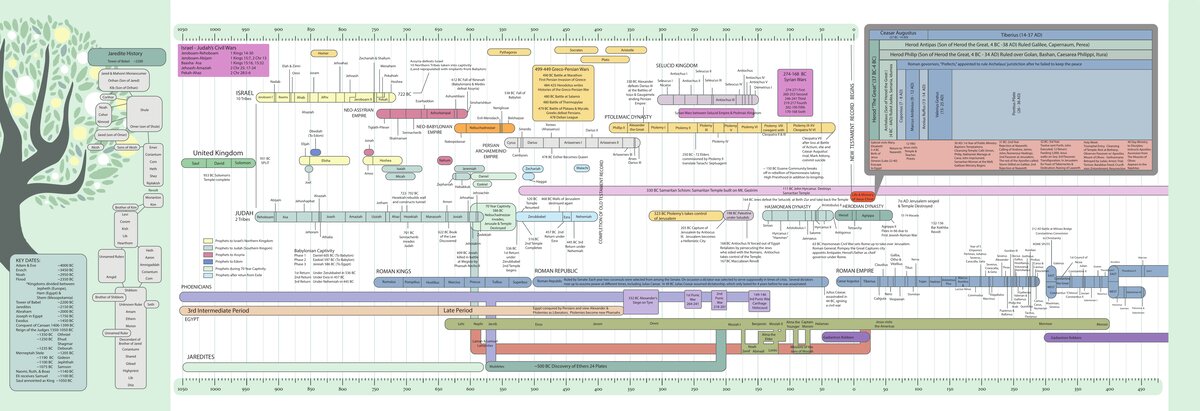
Tap to expand
Old Testament Timeline
From Creation through the Persian Period — tap the image to zoom, or download the full PDF.
Tap anywhere to close · Pinch to zoom