Root Word
שׁוּלְחָן (shulchan) — table; עוֹרֵךְ (orech) — arranged, prepared
Action
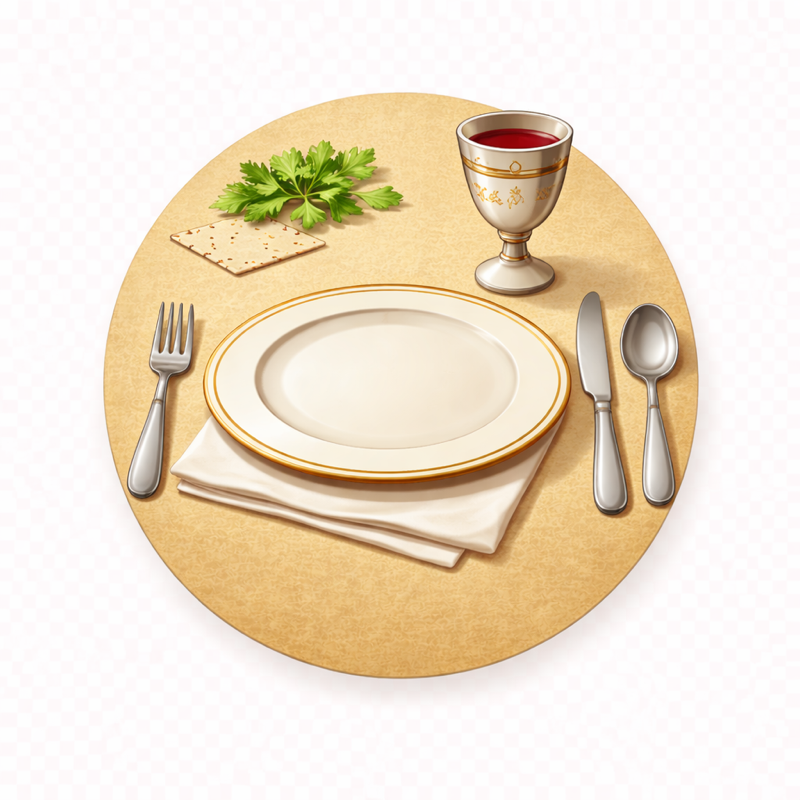
Share a simple symbolic meal as a family or group.
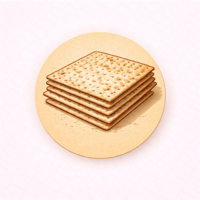
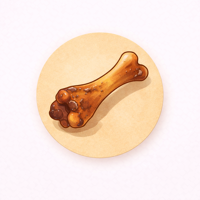
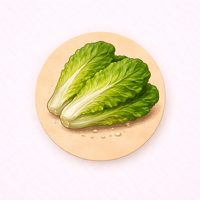
The Seder Plate
The Seder Plate





Meaning and Symbolism
This is more than a meal — it is a sacred moment of covenant fellowship.
At the Last Supper, Jesus sat at a table not just to eat, but to teach, to love, and to offer His very self. He broke bread and shared wine as symbols of His body and blood, inviting His disciples into the new covenant.
The table is also a prophetic symbol — pointing forward to the Marriage Supper of the Lamb, when we will sit again with Christ in glory.
Scripture Connection
“With desire I have desired to eat this Passover with you…” — Luke 22:15
“Thou preparest a table before me… my cup runneth over.” — Psalm 23:5
Shir HaMa'alot — Psalm 130: A Song of Ascents
Psalm 130 is a cry from the depths — waiting for the Lord, trusting in His mercy and plenteous redemption. At the Shulchan Orech, the table is set and the meal shared. This psalm brings the longing of a people who cry out from the depths, yet find that with the Lord there is forgiveness, mercy, and redemption — the very sustenance laid before them at the set table.
1 Out of the depths have I cried unto thee, O LORD. 2 Lord, hear my voice: let thine ears be attentive to the voice of my supplications. 3 If thou, LORD, shouldest mark iniquities, O Lord, who shall stand? 4 But there is forgiveness with thee, that thou mayest be feared. 5 I wait for the LORD, my soul doth wait, and in his word do I hope. 6 My soul waiteth for the Lord more than they that watch for the morning: I say, more than they that watch for the morning. 7 Let Israel hope in the LORD: for with the LORD there is mercy, and with him is plenteous redemption. 8 And he shall redeem Israel from all his iniquities.
The Covenant Pattern
At the Seder Table: The festive meal is shared in community — the lamb, the egg, the charoset, the wine. “Thou preparest a table before me in the presence of mine enemies: my cup runneth over” (Psalm 23:5). The set table is a declaration: God provides, even in the midst of adversity.
At the Seder Table — The Three Elements of the Feast
Edersheim records that “the Paschal Supper itself consisted of the unleavened bread with bitter herbs, of the so-called Chagigah, or festive offering (when brought), and, lastly, of the Paschal lamb itself.” After the lamb, nothing more was to be eaten, “so that the flesh of the Paschal Sacrifice might be the last meat partaken of.”
This careful ordering ensured that the taste of the Paschal lamb lingered on the palate — the last thing remembered from the meal. The lamb was the culmination. Everything else — the bread, the herbs, the festive offering — led to it. The Supper was not merely a meal; it was a sacred communion, ordered so that the sacrifice of the lamb would be the final and lasting impression.
At the Last Supper: “With desire I have desired to eat this Passover with you before I suffer” (Luke 22:15). Jesus sits at a Seder table and transforms a Passover meal into the sacrament of the new covenant. The bread becomes His body. The wine becomes His blood. The meal becomes eternal.
At the Last Supper — The Table-Talk and the Departure of Judas
Edersheim records that after Judas received the sop and went out, “he could not even have partaken of the Paschal lamb, far less of the Lord’s Supper.” The one who betrayed the Lamb departed before the lamb was served.
The remaining disciples ate the Paschal meal together with Jesus. Edersheim regards “the solemn discourses of the Lord recorded by St. John (John 13:31; 16) as His last ’table-talk,’ and the intercessory prayer that followed (John 17) as His ‘grace after meat.’” The set table became the setting for some of the most intimate teaching in all of scripture — the vine and the branches, the promise of the Comforter, and the great intercessory prayer for His own.
In the Nephite Assembly: Alma extends a direct invitation: “Behold, he sendeth an invitation unto all men, for the arms of mercy are extended towards them” (Alma 5:33). And when the risen Christ appears to the Nephites, He personally administers the sacrament to the multitude (3 Nephi 18:1–7). The table is set on a new continent. The invitation is the same.
In the Nephite Assembly — Alma 5: The Table Set in Order
The Hebrew word for “set in order” — arakh — is the same concept that gives the Seder its very name. Seder means “order,” and the act of setting a table is an act of arranging things according to a sacred pattern. This language echoes one of the most powerful foreshadowings in all of scripture:
“And they came to the place which God had told him of; and Abraham built an altar there, and laid the wood in order, and bound Isaac his son, and laid him on the altar upon the wood.” — Genesis 22:9
Abraham set the wood in seder — in order — preparing the sacrifice of his only begotten son. The set table at the Seder meal recalls this same pattern: the Father’s careful preparation of the plan of salvation, which required the willing sacrifice of His Only Begotten Son.
Alma extends the invitation to come and partake of what God has prepared:
“Yea, he saith: Come unto me and ye shall partake of the fruit of the tree of life; yea, ye shall eat and drink of the bread and the waters of life freely.” — Alma 5:34
The table is set. The bread and the waters of life are offered freely. Like the three days Christ spent in the tomb before His resurrection — or the three days Jonah spent in the belly of the whale — the festive meal is also a time of faithful waiting, trusting that God’s promised deliverance will come.
On the Covenant Path Today: Elder Bednar calls the sacrament “a holy and repeated invitation to repent sincerely and to be renewed spiritually” (“Always Retain a Remission of Your Sins," 2016). Every Sabbath, the table is set again. The bread is blessed, broken, and passed. The covenant is renewed. The same sacred meal, the same invitation, in every dispensation — from the Seder table to the sacrament table.
On the Covenant Path — The Marriage Supper of the Lamb
The Four Cups and the Wedding Covenant describes the autumn feast of Tabernacles (Sukkot) as the prophetic fulfillment of the Marriage Supper of the Lamb — “God dwelling with His people forever.” The set table at the Seder is a foretaste of that eternal feast.
At the Last Supper, Jesus told His disciples: “I will not drink henceforth of this fruit of the vine, until that day when I drink it new with you in my Father’s kingdom” (Matthew 26:29). The Bridegroom sat at table with His Bride one last time before paying the bride price at Calvary — and He promised to return for the wedding feast.
Every Sabbath, when the sacrament table is set and the bread and water are blessed and passed, we participate in a foretaste of that future feast — the Marriage Supper when the Bridegroom and His Bride will be reunited at last.
Reflection Questions
- What does it mean to me that Jesus sat and ate with those He loved — even knowing one would betray Him?
- How can I bring more love and intentionality to the way I gather with others around my own table?
- In what ways has the Lord “prepared a table” for me — even during difficult times?
- What do I feel as I sit at this table tonight? Gratitude? Reflection? Peace? A desire to draw closer to Him?
- How can I remember Christ during everyday meals — not just sacred ones?