Root Word
נָגַד (nagad) — to declare, to bring forth, to make known
Action
Retell the story of the Exodus and reflect on God’s power to deliver.
Scripture Connection
“Wherefore say unto the children of Israel, I am the Lord, and I will bring you out… and I will redeem you…” — Exodus 6:6–7
“Have ye sufficiently retained in remembrance the captivity of your fathers?” — Alma 5:6–7
This fulfills the commandment in Exodus 13:8:
“You shall tell your son on that day, saying, ‘It is because of what the Lord did for me when I came out of Egypt.’”
Shir HaMa'alot — Psalm 124: A Song of Ascents
Psalm 124 is a hymn of gratitude for deliverance — “If it had not been the LORD who was on our side.” This is the psalm of the Maggid, the telling: the psalmist recounts the peril and celebrates the escape. The snare is broken. The soul is escaped. This is the very story told at the Seder table — God’s intervention when all seemed lost.
1 If it had not been the LORD who was on our side, now may Israel say; 2 If it had not been the LORD who was on our side, when men rose up against us: 3 Then they had swallowed us up quick, when their wrath was kindled against us: 4 Then the waters had overwhelmed us, the stream had gone over our soul: 5 Then the proud waters had gone over our soul. 6 Blessed be the LORD, who hath not given us as a prey to their teeth. 7 Our soul is escaped as a bird out of the snare of the fowlers: the snare is broken, and we are escaped. 8 Our help is in the name of the LORD, who made heaven and earth.
The Four Questions — Ma Nishtana
The Maggid begins when the youngest child asks:
מַה נִּשְׁתַּנָּה הַלַּיְלָה הַזֶּה מִכָּל הַלֵּילוֹת? “What makes this night different from all other nights?”
This is followed by four specific questions:
- Why do we eat only matzah tonight? — On all other nights we eat bread or matzah, but tonight only matzah.
- Why do we eat bitter herbs? — On all other nights we eat all kinds of vegetables, but tonight we eat maror.
- Why do we dip twice? — On all other nights we do not dip even once, but tonight we dip twice (karpas in salt water, maror in charoset).
- Why do we recline? — On all other nights we eat sitting upright, but tonight we recline like free people.
🎵 Listen: Ma Nishtana (The Four Questions)
These questions fulfill the commandment to teach our children (Exodus 13:8, 14). The entire Seder is structured to provoke curiosity — the unusual foods, the rituals, the order itself — so that the children will ask and the story can be told.
The Parable of the Four Sons
In Jewish tradition, the Maggid includes a parable of four kinds of children. While Christ taught the Parable of Two Sons (Matthew 21:28–32), and Alma taught three — his sons Helaman (Alma 36–37), Shiblon (Alma 38), and Corianton (Alma 39–42) — here we reflect on the diverse ways people approach truth.
Each child asks (or doesn’t ask) in a different way — but each one has a place at the table.
- Wise — “What are the testimonies and laws God has given us?”
- Wicked — “What does this mean to you?” (not us)
- Simple — “What is this?”
- Silent — The one who does not know how to ask
We are all these children at different times in life. The Lord responds to each with compassion, tailored teaching, and mercy.
“Come unto me… ye are the sheep of the good shepherd.” — Alma 5:38–39
The Ten Plagues
The plagues were not random acts of destruction — they were a systematic dismantling of Egypt’s false gods. Each plague targeted a specific deity that the Egyptians worshipped, demonstrating the power of the true and living God over every idol.
Click on each plague to learn which Egyptian god was overthrown:
1. Blood
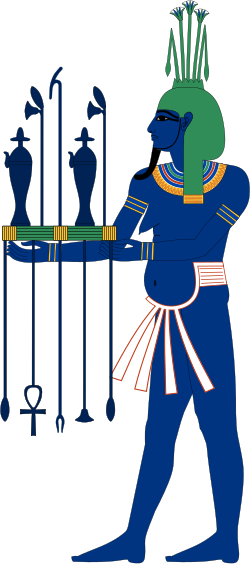 Hapi — Nile river god, the water bearer. The Egyptians depended on the Nile for life itself. When God turned it to blood, He demonstrated power over Egypt's most essential resource.
2. Frogs
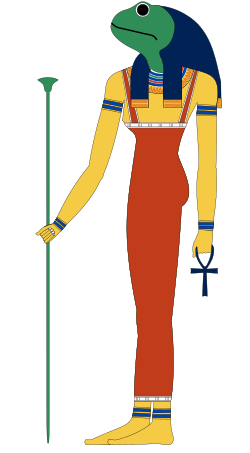 Heket — Goddess of fertility, depicted with a frog's head. The very symbol of her power became a pestilence covering the land.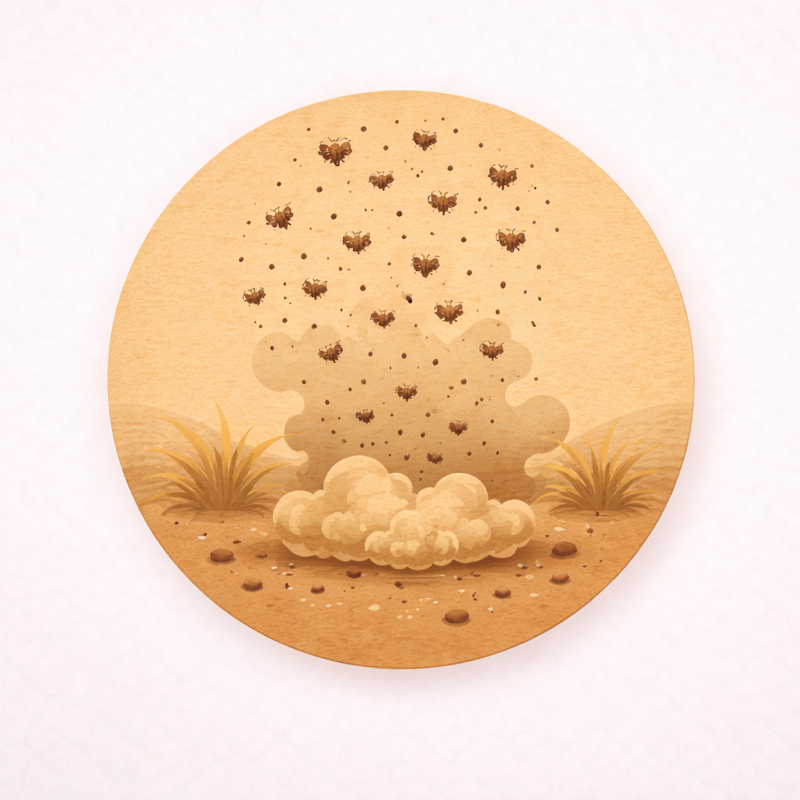
3. Lice
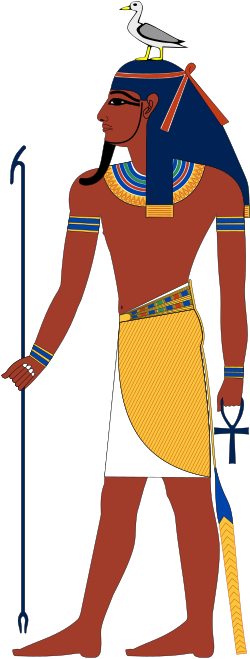 Geb — God of the earth and dust. The very dust of Egypt rose up against its people, and the magicians confessed: "This is the finger of God."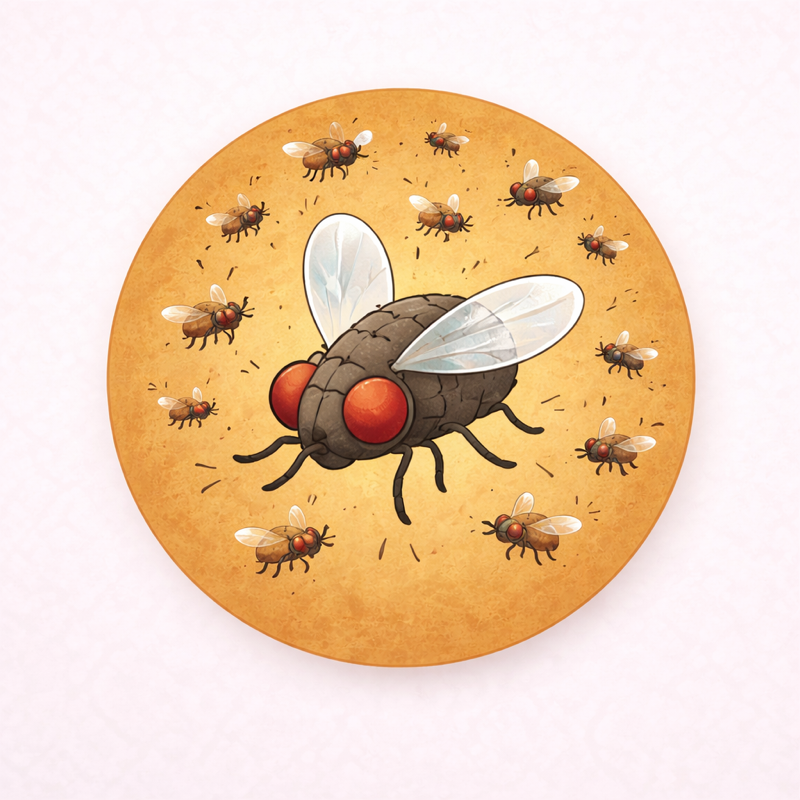
4. Flies
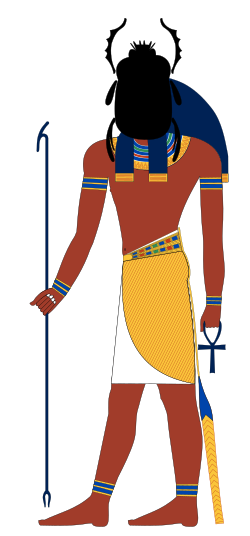 Khepri — God of creation and resurrection, depicted as a scarab beetle. The swarming insects mocked his domain over the insect world.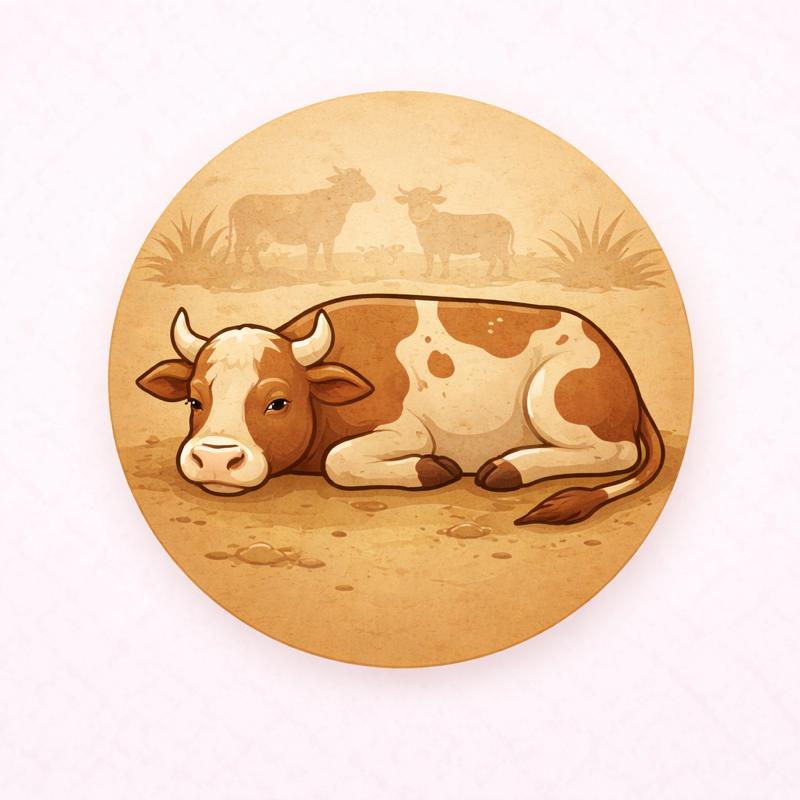
5. Livestock
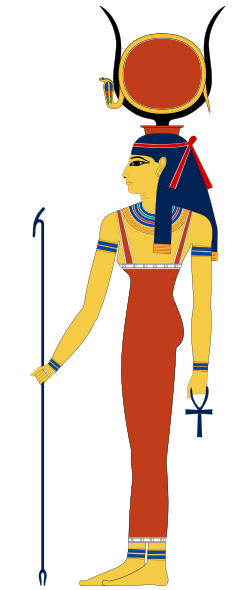 Hathor — Goddess of love and protection, depicted as a cow. Egypt's cattle — sacred to Hathor — died while Israel's livestock lived.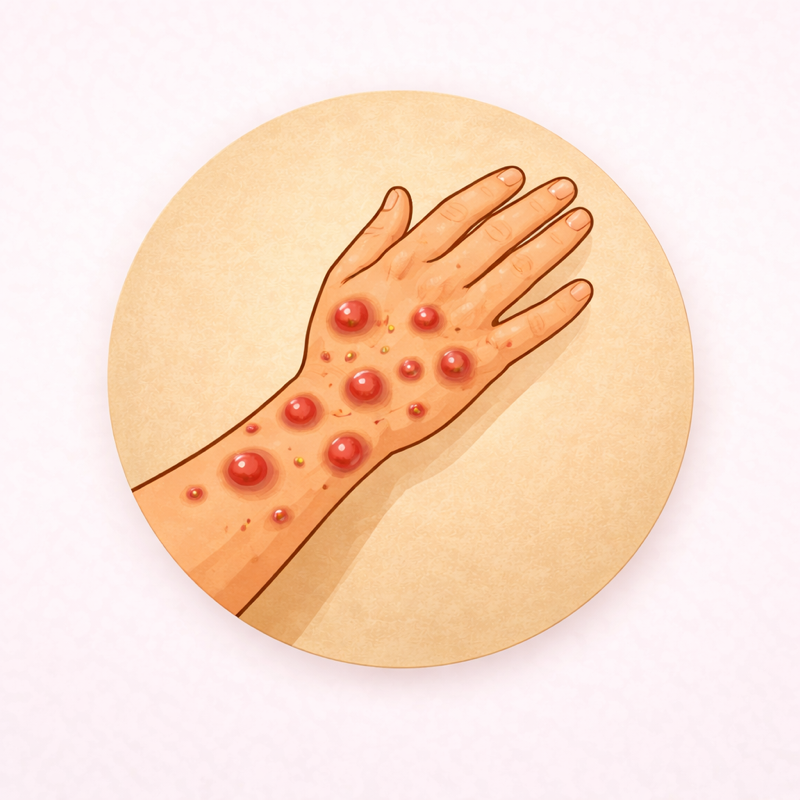
6. Boils
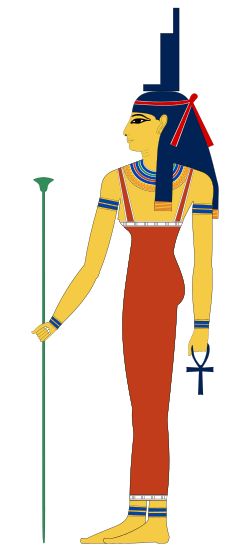 Isis — Goddess of health and medicine. Even the magicians could not stand before Moses because of the boils — the healer could not heal.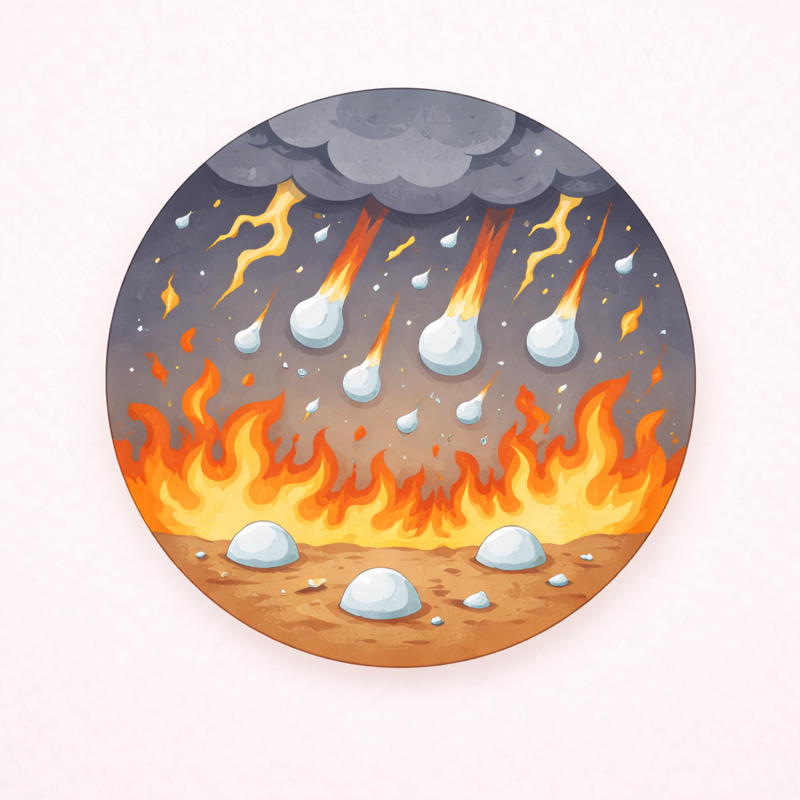
7. Hail & Fire
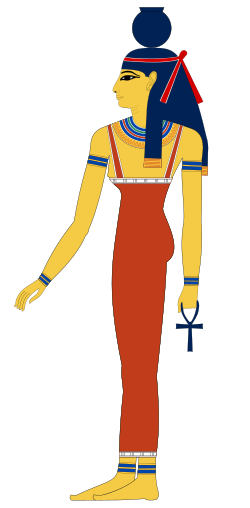 Nut — Goddess of the sky. The heavens themselves rained destruction — fire mingled with hail — demonstrating God's power over the sky.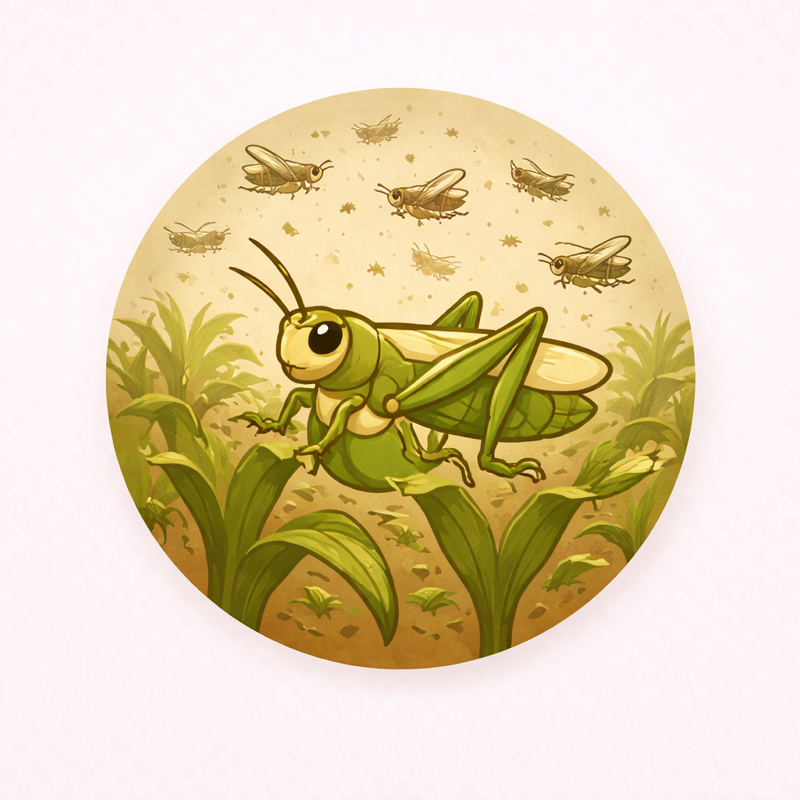
8. Locusts
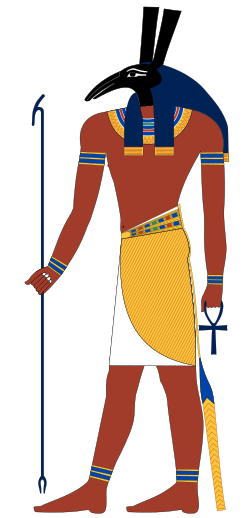 Seth — God of chaos and storms. The locusts devoured every green thing, bringing chaos to the agricultural order of Egypt.
9. Darkness
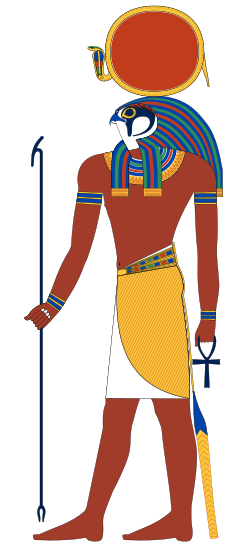 Ra — The sun god, supreme deity of Egypt. For three days, darkness covered the land — yet Israel had light in their dwellings.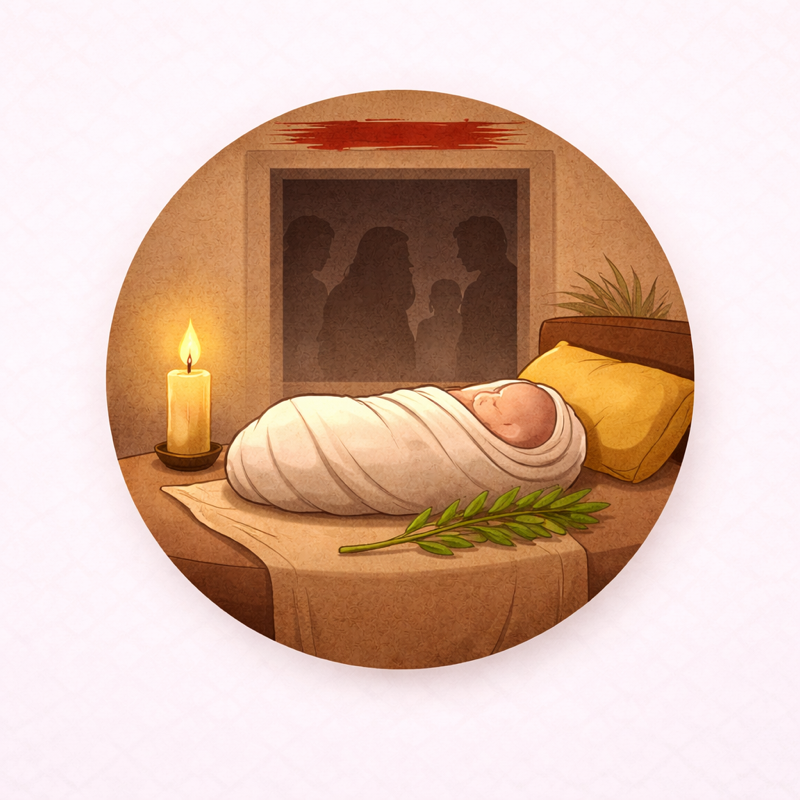
10. Firstborn
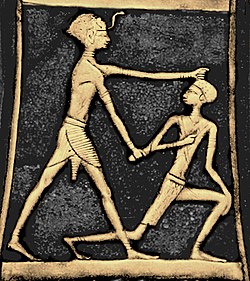 Pharaoh — "The son of Ra," considered a living god. The death of Egypt's firstborn, including Pharaoh's own son, struck at the heart of Egyptian divine kingship.
The plagues can also be viewed as a symbolic judgment against idolatry — showing how the people became distracted by the things of the world. Each false god was overthrown by the true and living God.
The Covenant Pattern
At the Seder Table: The Maggid is the heart of the Seder — the retelling of the Exodus through questions, the parable of the Four Sons, and the recounting of the plagues. The Zohar (Bo) teaches that the one who relates the story “fervently and joyously” shall “be found worthy to rejoice in the Shekinah.” The telling itself is a sacred act.
At the Seder Table — The Telling
The Maggid opens with the broken matzah displayed and a declaration in Aramaic:
הָא לַחְמָא עַנְיָא דִּי אֲכָלוּ אַבְהָתָנָא בְּאַרְעָא דְמִצְרָיִם. כָּל דִכְפִין יֵיתֵי וְיֵיכֹל, כָּל דִצְרִיךְ יֵיתֵי וְיִפְסַח.
This is the bread of affliction our fathers ate in the land of Egypt. Let all who are hungry come in and eat; let all who are in need come and join us for the Pesach.
Then comes the youngest child’s question — מַה נִּשְׁתַּנָּה הַלַּיְלָה הַזֶּה מִכָּל הַלֵּילוֹת — “What makes this night unlike all other nights?” — followed by four specific questions about matzah, bitter herbs, dipping, and reclining.
The answer begins: עֲבָדִים הָיִינוּ — “We were slaves to Pharaoh in Egypt, and the LORD our God brought us out of there with a strong hand and an outstretched arm.” The Haggadah insists: “Even were we all wise, all intelligent, all aged, and all knowledgeable in the Torah, still the command would be upon us to tell of the coming out of Egypt; and the more one tells of the coming out of Egypt, the more admirable it is.”
The telling culminates in Rabban Gamliel’s three things — the irreducible core:
רַבָּן גַּמְלִיאֵל הָיָה אוֹמֵר: כָּל שֶׁלֹּא אָמַר שְׁלֹשָׁה דְּבָרִים אֵלּוּ בַּפֶּסַח, לֹא יָצָא יְדֵי חוֹבָתוֹ, וְאֵלּוּ הֵן: פֶּסַח, מַצָּה, וּמָרוֹר.
Rabban Gamliel used to say: Whoever does not explain these three things at Passover has not fulfilled his obligation — and these are they: Pesach, Matzah, and Maror.
The Maggid concludes with the duty of praise: “Therefore it is our duty to thank, praise, laud, glorify, exalt, honor, bless, raise high, and acclaim the One who has performed all these miracles for our ancestors — and for us.” The first half of the Hallel (Psalms 113–114) is sung, and the second cup — the Cup of Deliverance — is drunk, corresponding to the second “I will” promise: “I will deliver you out of their bondage” (Exodus 6:6).
Sources: Pesach Haggadah (Sefaria/Koren); Edersheim, The Temple: Its Ministry and Services, Ch. 12
At the Last Supper: Jesus reinterprets the entire Exodus narrative at the table. He is the Passover Lamb, the unleavened bread, the cup of redemption. The story is retold with a new center — not Moses, but the Messiah Himself. Everything the Maggid has pointed to for centuries now sits at the table, breaking bread.
At the Last Supper — The Story Fulfilled
For centuries, every Seder leader had told the same story — commencing, as Edersheim records, “with Terah, Abraham’s father, and telling of his idolatry, and continuing, in due order, the story of Israel up to their deliverance from Egypt.” The central principle was this: “From generation to generation every man is bound to look upon himself not otherwise than if he had himself come forth out of Egypt.”
At this table, the One to whom the whole story pointed was telling it. Jesus was Himself the Passover Lamb, the Unleavened Bread, and the One who would drink the bitter cup. The Maggid had always asked: Who is the Redeemer? Rabban Gamliel’s three things — Pesach, Matzah, Maror — had always pointed forward. Now the answer sat at the head of the table.
After the telling, the first half of the Hallel (Psalms 113–114) was sung and the second cup drunk. This second cup — the Cup of Deliverance — corresponds to God’s promise: “I will rid you out of their bondage” (Exodus 6:6).
At some point during the meal, Jesus declared: “I will not drink henceforth of this fruit of the vine, until that day when I drink it new with you in my Father’s kingdom” (Matthew 26:29). Scholars debate exactly when this occurred — whether before or after the second cup — but the weight of His words transforms the entire meal. The cups of the Seder point to God’s promises of deliverance; Jesus was declaring Himself the fulfillment of those promises.
In the Nephite Assembly: Alma asks nearly fifty questions in a single sermon — far exceeding the Seder’s traditional four. “Have ye sufficiently retained in remembrance the captivity of your fathers?” (Alma 5:6). His relentless questioning is the Maggid of the Nephite Seder — pressing his audience to internalize the pattern of deliverance not as distant history but as present spiritual reality.
In the Nephite Assembly — Alma 5: The Holy Order (Seder) of God
Alma declares that he speaks “according to the holy order of God” (Alma 5:44). The Hebrew word for “order” is seder. Alma is not merely preaching — he is conducting a Nephite Seder, following the sacred liturgical pattern his fathers brought from Jerusalem.
The Maggid traditionally begins with four questions. Alma asks nearly fifty — an extraordinary expansion of the pattern that drives his audience deeper into self-examination than any Seder table has ever required. “Have ye sufficiently retained in remembrance?” “Have ye experienced a change of heart?” “Can ye feel so now?” The relentless questioning IS the Maggid.
At the core of the Maggid is the chain of testimony:
“Behold, I can tell you — did not my father Alma believe in the words which were delivered by the mouth of Abinadi?” — Alma 5:11
Abinadi declared. Alma the Elder believed. The story was preserved and carried forward — the same chain the Haggadah depends upon. And Alma fulfills the Maggid’s deepest requirement — telling the story as if he himself came out of Egypt — through personal experience:
“Behold, I say unto you they are made known unto me by the Holy Spirit of God. Behold, I have fasted and prayed many days that I might know these things of myself.” — Alma 5:46
The Maggid also includes the parable of the Four Sons — four children who respond differently to the covenant. In a later Passover season, Alma gives his own version: the accounts of his three sons in Alma 36-42 — Helaman (the wise), Shiblon (the faithful), and Corianton (the wayward) — each receiving instruction tailored to his spiritual state, just as the Haggadah tailors its response to each child.
On the Covenant Path Today: President Nelson traces the covenant story from Adam’s baptism through Abraham’s promises through the Nephites to us, teaching that the Hebrew word hesed — covenantal lovingkindness — describes the unique love God extends to those in covenant (“The Everlasting Covenant," 2022). We retell the story of the Restoration just as Israel retells the Exodus — because the telling binds us to the covenant.
On the Covenant Path — The Law of the Gospel
The second cup of the Seder corresponds to the second promise of Exodus 6:6–7: “I will rid you out of their bondage.” Deliverance alone is not enough — the delivered must be taught how to live, lest they return to old patterns.
The Law of the Gospel provides the instruction — the Torah, the teaching — that guides us after deliverance. At Sinai, God did not simply bring Israel out of Egypt; He gave them the law. The Maggid retells the story of deliverance and the giving of instruction. The Torah, along with the other scriptures, teaches us this pattern — these represent the map that prevents us from wandering back into bondage.
“And now, if ye have been taught, ye know that ye must observe to do them.” — Mosiah 12:25 (Abinadi, quoting the commandments)
The second cup is raised in gratitude not only for freedom but for the divine instruction that sustains it.
🍷 Drink the Second Cup — The Cup of Deliverance
Reflection Questions
- How does retelling the story of deliverance strengthen my own faith?
- Which of the “Four Sons” am I right now — wise, questioning, simple, or silent? How does God respond to me where I am?
- What “false gods” or distractions in my own life need to be overthrown?
- How has God delivered me or my family from bondage — whether physical, emotional, or spiritual?