
Bikkurim: The Feast of Firstfruits
The day Christ rose as "the firstfruits of them that slept"
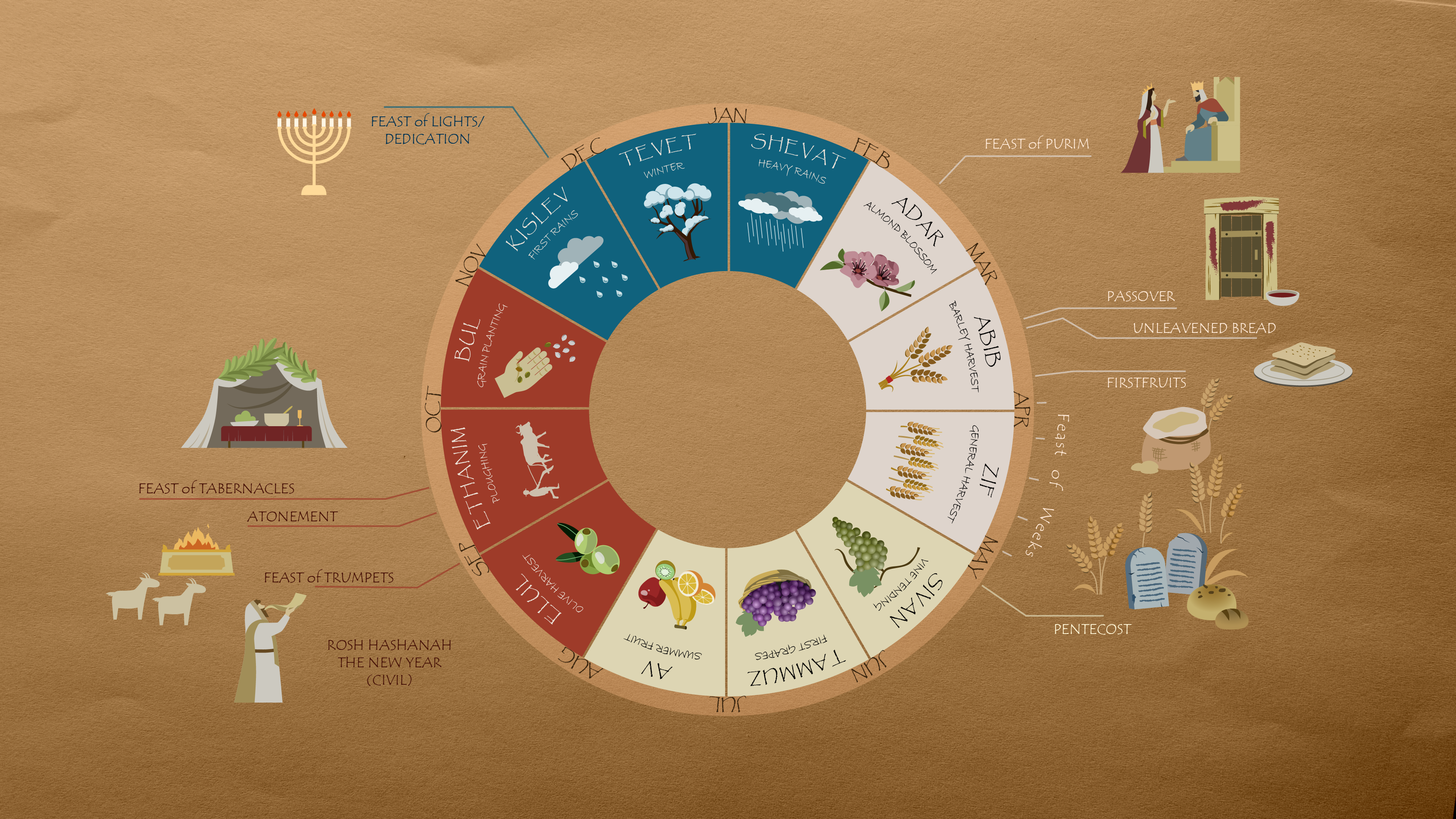
The biblical feasts mapped to the agricultural year — click image to zoom
The Spring Feast Timeline
14 Nisan: Passover
Lamb slain at twilight • Christ crucified

15 Nisan: Unleavened Bread
High Sabbath • Christ in tomb
16/Sunday: FIRSTFRUITS
Christ rises • Barley sheaf waved

+50 Days: Pentecost
Holy Spirit descends • Church born
Counting to Pentecost
From Bikkurim begins the “Counting of the Omer” — 50 days until Shavuot (Pentecost):
“And ye shall count unto you from the morrow after the sabbath, from the day that ye brought the sheaf of the wave offering; seven sabbaths shall be complete: Even unto the morrow after the seventh sabbath shall ye number fifty days” (Leviticus 23:15-16)
The Seasonal “Moedim” Festival Sequence
The spring festival pattern reveals God’s covenant rhythm:
- Passover — redemption from bondage (14 Abib/Nisan)
- Firstfruits/Bikkurim — resurrection and new life (during Passover week)
- Pentecost/Shavuot — covenant at Sinai, giving of Torah (50 days later)
- Tabernacles/Sukkot — final harvest and ingathering (fall)
As Nephi declared: “All things which have been given of God from the beginning of the world, unto man, are the typifying of him” (2 Nephi 11:4). This sequence — from Exodus to covenant to harvest — prefigures the pattern of conversion: redemption through Christ’s blood, resurrection to new life, receiving the Holy Spirit, and the gathering of Israel. This outlines His plan for the salvation of souls.*
The Ancient Feast
The Biblical Command
The feast is commanded in Leviticus 23:9-14:
“When ye be come into the land which I give unto you, and shall reap the harvest thereof, then ye shall bring a sheaf of the firstfruits of your harvest unto the priest: And he shall wave the sheaf before the Lord, to be accepted for you: on the morrow after the sabbath the priest shall wave it.”
Why the Feast Days Matter
The appointed times (moedim) of Israel were far more than agricultural celebrations — they were divine rehearsals, sacred assemblies that shaped the rhythm of Israelite life and prepared the covenant people to recognize their Messiah when He came.
These festivals were communal experiences that united all Israel. Three times each year, every able-bodied male was required to appear before the Lord at the Temple (Deuteronomy 16:16). Families traveled together, shared meals with neighbors, recited sacred history, and participated in prescribed rituals that connected them to their ancestors and to God’s covenant promises.
Each feast carried specific traditions and rituals designed to teach eternal truths: the Passover lamb pointed to the coming sacrifice; the unleavened bread symbolized separation from sin; and the waving of firstfruits declared that God is the source of all life and increase. These were not mere symbols — they were prophetic patterns. When Christ fulfilled them at the precise appointed times, those who understood the feasts could recognize their Messiah.
Ancient Temple Observance
The Harvesting Ceremony
According to the Mishnah (Menachot 10:3), the harvesting of the omer was a public spectacle:
- Location: A field across the Kidron Valley from Jerusalem
- Time: Saturday evening as the Sabbath ended (three stars visible)
- Ritual Questions: The appointed harvesters would ask loudly three times:
- "Has the sun set?"
- "Is this a sickle?"
- "Is this a basket?"
- "Shall I reap?"
- The Crowd: Would shout "Yes!" to each question
- The Harvest: The barley was cut, bundled, and brought to the Temple
The Temple Ritual
On Sunday morning (Bikkurim proper):
- Roasted with fire
- Ground into flour
- Sifted thirteen times
- Mixed with oil and frankincense
- The priest took the omer
- Waved it: forward and back, up and down
- Symbolizing God's presence in all directions
- Acknowledging Him as source of all increase
- A year-old male lamb as a burnt offering
- A grain offering
- A drink offering
The Seven Species
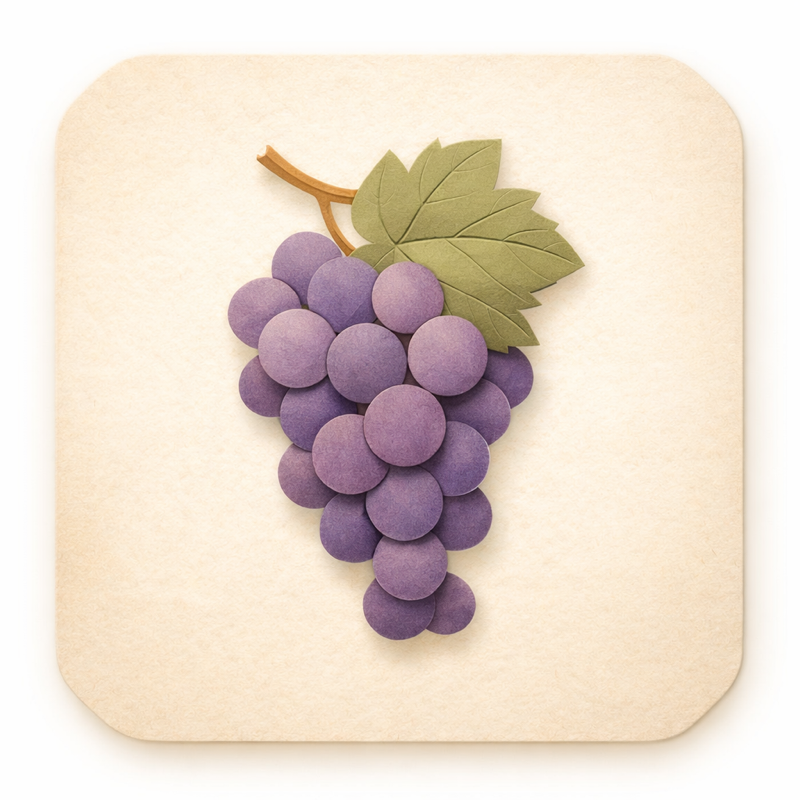
As part of this tradition, seven species were brought to the Temple as the Israelites’ firstfruits offering. Baskets were adorned with the Shivat HaMinim — the Seven Species representing the abundance of the Promised Land (Deuteronomy 8:8):
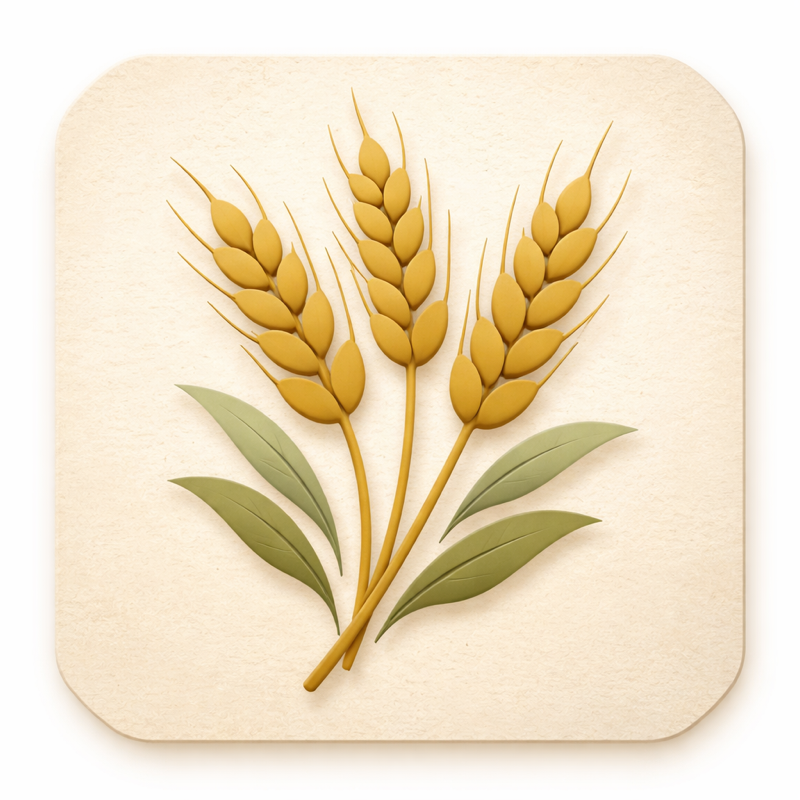
Wheat
Sustenance and Torah. Requires grinding before becoming bread.
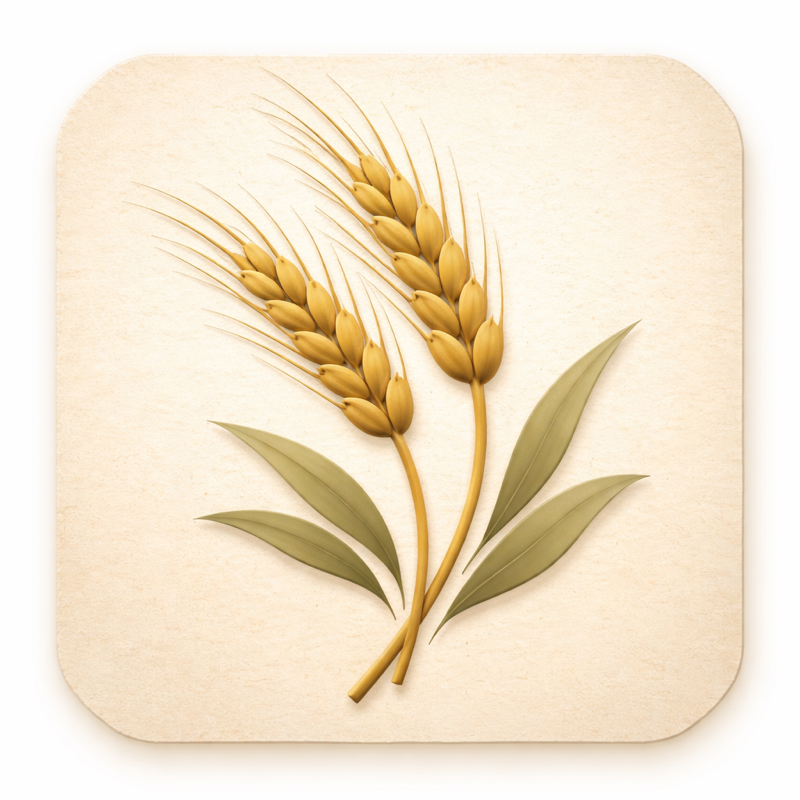
Barley
The firstfruits offering — ripens first, representing new beginnings.
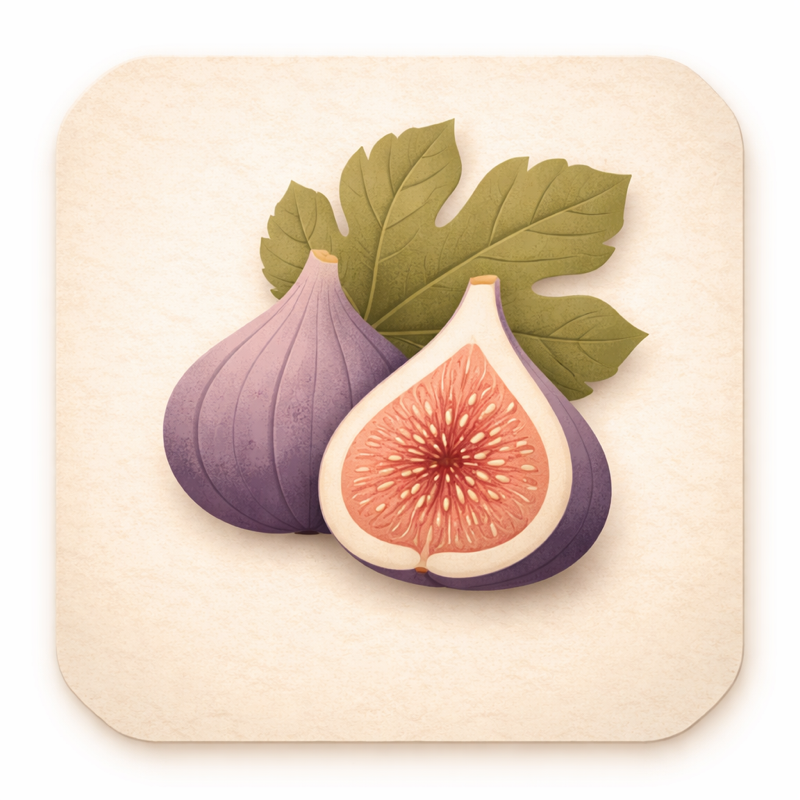
Figs
Peace and covering — fig leaves covered Adam and Eve.
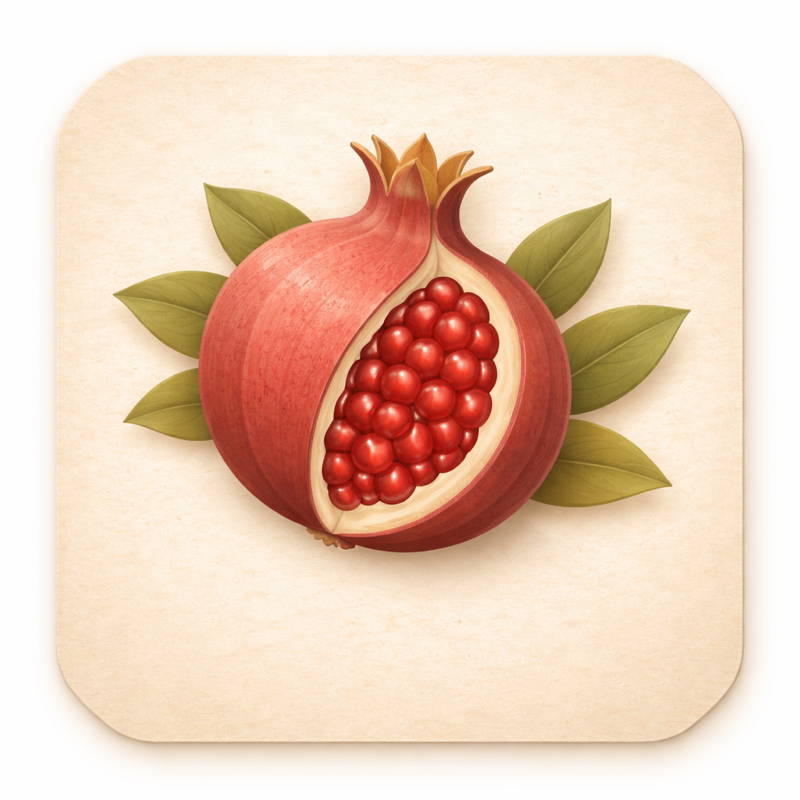
Pomegranate
Righteousness — tradition holds 613 seeds for 613 commandments.
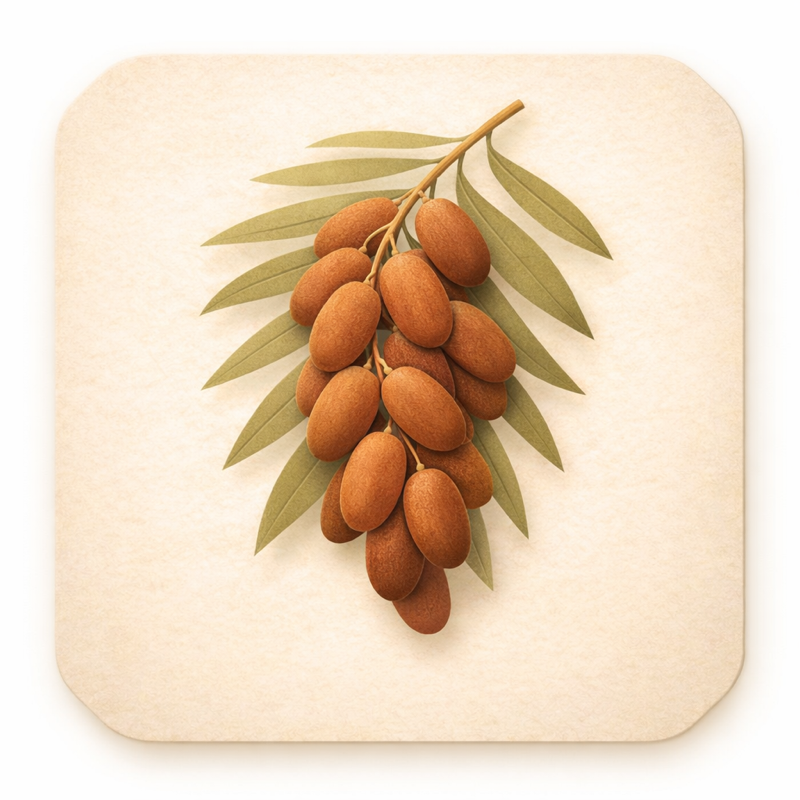
Dates (Honey)
Sweetness of the Promised Land "flowing with milk and honey."
Temple Observance Details (Mishnah)
The Harvesting Ceremony (Saturday evening as Sabbath ended):
A field across the Kidron Valley from Jerusalem was designated. As three stars became visible, harvesters would ask loudly three times: “Has the sun set?” “Is this a sickle?” “Is this a basket?” “Shall I reap?” The crowd shouted “Yes!” to each question, then the barley was cut and brought to the Temple.
The Temple Ritual (Sunday morning):
Preparation: The barley was roasted with fire, ground into flour, sifted thirteen times, and mixed with oil and frankincense
The Wave Offering (Tenufah): The priest waved the omer forward/back and up/down — symbolizing God’s presence in all directions
Accompanying Sacrifices: A year-old male lamb as burnt offering, plus grain and drink offerings
The Bikkurim Procession:
Pilgrims traveled in festive processions with music, baskets decorated with the Seven Species. Each farmer recited the historical journey from Egypt to the Promised Land (Deuteronomy 26:5-10), then the priest took the basket and waved it before the altar.
Calendar Calculation
The Great Debate: Which Sabbath?
The phrase “the morrow after the sabbath” (מִמָּחֳרַת הַשַּׁבָּת) has been debated for millennia:
Pharisaic/Rabbinic View
(Modern Judaism)
- The "sabbath" = first day of Passover (15 Nisan)
- Bikkurim always falls on 16 Nisan
- Can occur on any day of the week
Sadducean/Karaite View
(Ancient Temple Period?)
- The "sabbath" = weekly Saturday
- Bikkurim always falls on Sunday
- "The first day of the week"
Fulfilled in Christ
The Firstborn/Firstfruits Connection
The Hebrew root בכר (b-k-r) carries profound dual meaning:
Christ is both the Firstborn of the Father (holding all divine inheritance) and the Firstfruits of resurrection (guaranteeing our harvest). The firstborn consecrates the family; the firstfruits consecrate the harvest.
Messianic Fulfillment
Guarantee of Harvest
The firstfruits proved the coming harvest; Christ's resurrection guarantees ours
Consecration of the Whole
The firstfruits sanctified the entire crop; Christ's resurrection sanctifies all believers
Presentation to the Father
The priest waved the sheaf before God; Christ presented Himself to the Father (John 20:17)
Perfect Timing
While priests waved barley in the Temple, Christ rose as the true Firstfruits
The Covenant Pattern
As Nephi declared: “All things which have been given of God from the beginning of the world, unto man, are the typifying of him” (2 Nephi 11:4).
The 50-Day Journey: From Resurrection to Revelation
From Bikkurim begins the “Counting of the Omer” — 50 days until Shavuot (Pentecost). This period encompasses Christ’s entire post-resurrection ministry, culminating in the descent of the Holy Spirit.
Count the Omer: Christ's 40-Day Ministry & The Path to Pentecost
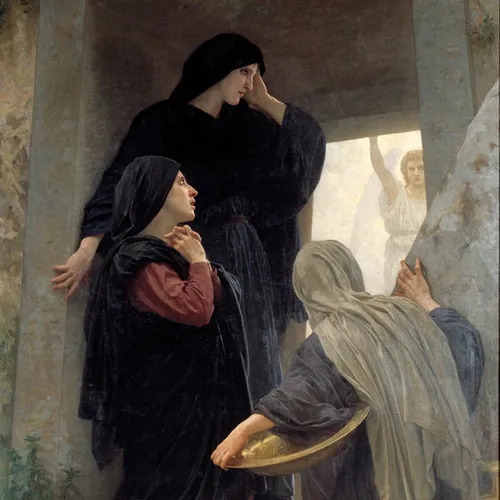
Day 1: Women at the Tomb
The first day of the week - Sunday morning! The women come to the tomb and find it empty. Angels proclaim: "He is not here, He is risen!"
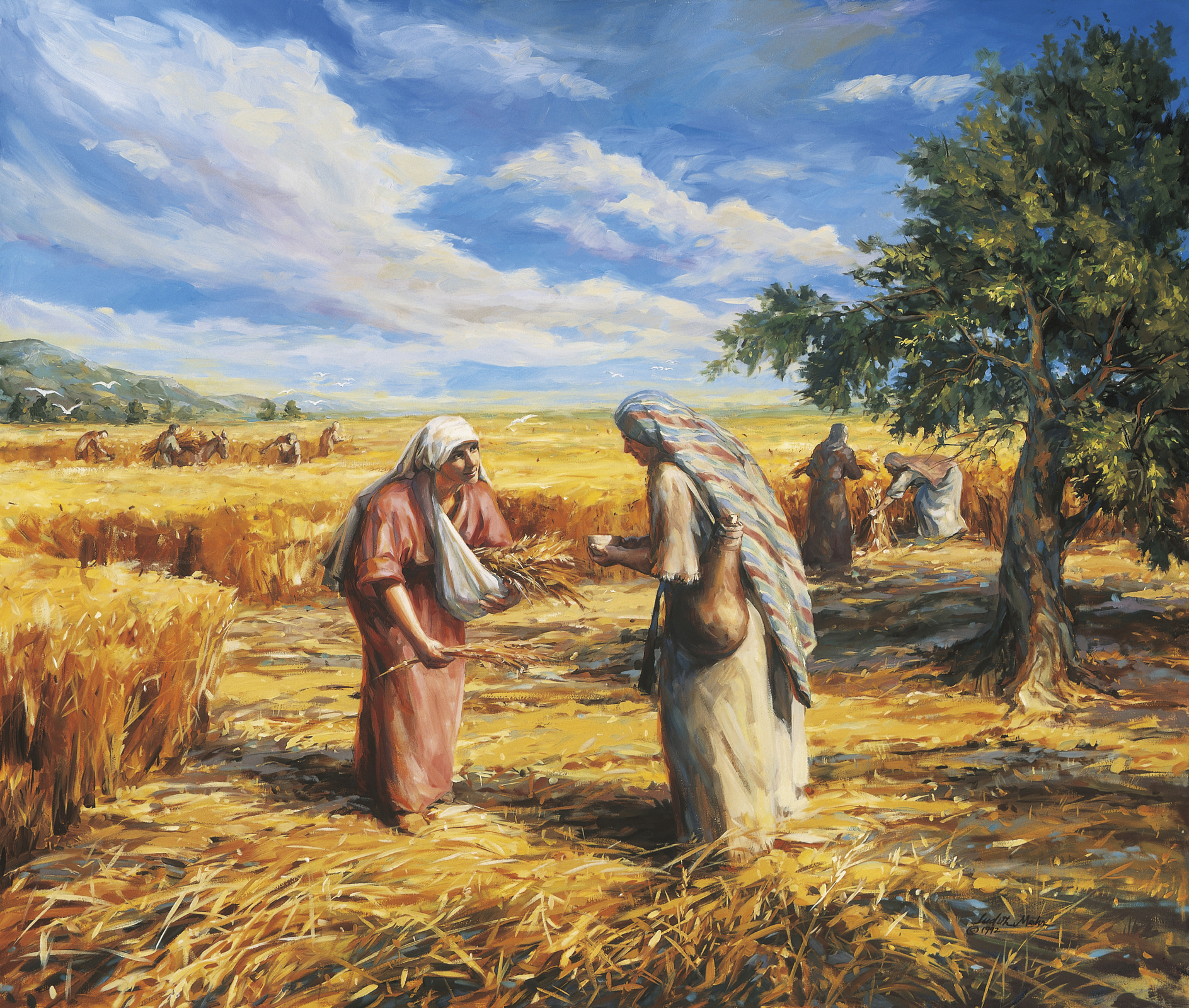
The Book of Ruth Connection
Modern Jewish Observance
Since the Temple’s destruction, Bikkurim has continued to be observed among the Jewish community:
In Israel: Kibbutzim hold harvest festivals where children parade with decorated baskets. The Omer is counted each evening for 49 days — a period of semi-mourning except Lag BaOmer (day 33). Shavuot celebrates Torah with dairy foods and greenery.
In the Diaspora: Focus shifts to spiritual “firstfruits” — Torah study, good deeds, and charitable giving. Synagogues read Ruth on Shavuot, connecting harvest themes to covenant faithfulness.
Living the Firstfruits Principle
Temple Offering
As ancient Israelites brought firstfruits to the Temple, we bring ourselves — our time, our resources, and our whole souls. We gather our fruits by performing temple work for ourselves, our families, and for others who have passed through the veil, helping to open the way for them to come forth on the morning of the first resurrection.

Law of Tithing
Bikkurim embodies the law of tithing: acknowledging God as the source of all increase, offering the first and best of our gifts, putting Him first in our affections, trusting in future providence.
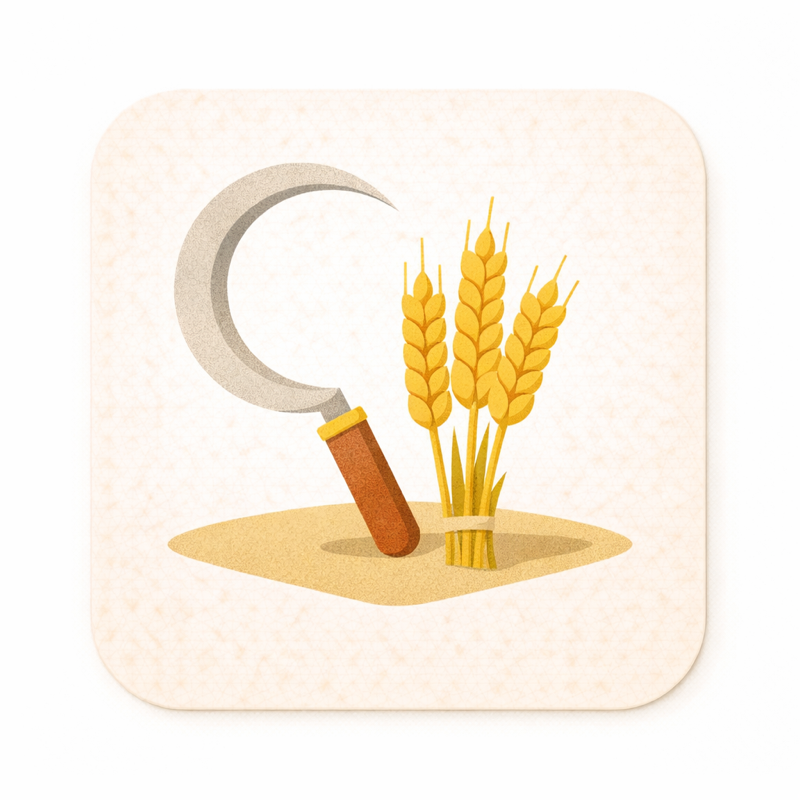
Gathering Harvest
"The field is white already to harvest" (D&C 4:4). The first converts in any area are firstfruits — consecrating the harvest to come. The Sons of Mosiah brought the firstfruits of Lamanite conversion. These themes remind us of the many gathering and harvest themes we read throughout scripture.

Gratitude & Intention
The firstfruits declaration (Deuteronomy 26:5-10) was an act of remembrance — recounting God's hand from wandering Aramean to promised abundance. We too recognize His intentional design in our lives, offering gratitude before seeing the full harvest. Every soul is precious; every blessing acknowledged invites more.
Reflection Questions
Conclusion
On that first Easter morning, as priests waved barley sheaves in the Temple, Christ emerged from the tomb as the ultimate firstfruits offering.
He is the beginning of the harvest.
We are the full crop to come.
"Christ the firstfruits; afterward they that are Christ's at his coming."
The harvest has begun. Our resurrection is assured.
Additional Resources
Jewish Sources
- Mishnah Bikkurim — Sefaria
- Mishnah Menachot 10 — Omer Harvest Details
- Counting the Omer — My Jewish Learning
- Sefirat HaOmer — Chabad
Part of our series on Jewish festivals and their fulfillment in Christ.