An interactive journey through the last week of the Savior's mortal ministry — from the Triumphal Entry to the Resurrection — with maps, scripture harmonies, and connections to Passover and LDS temple theology.
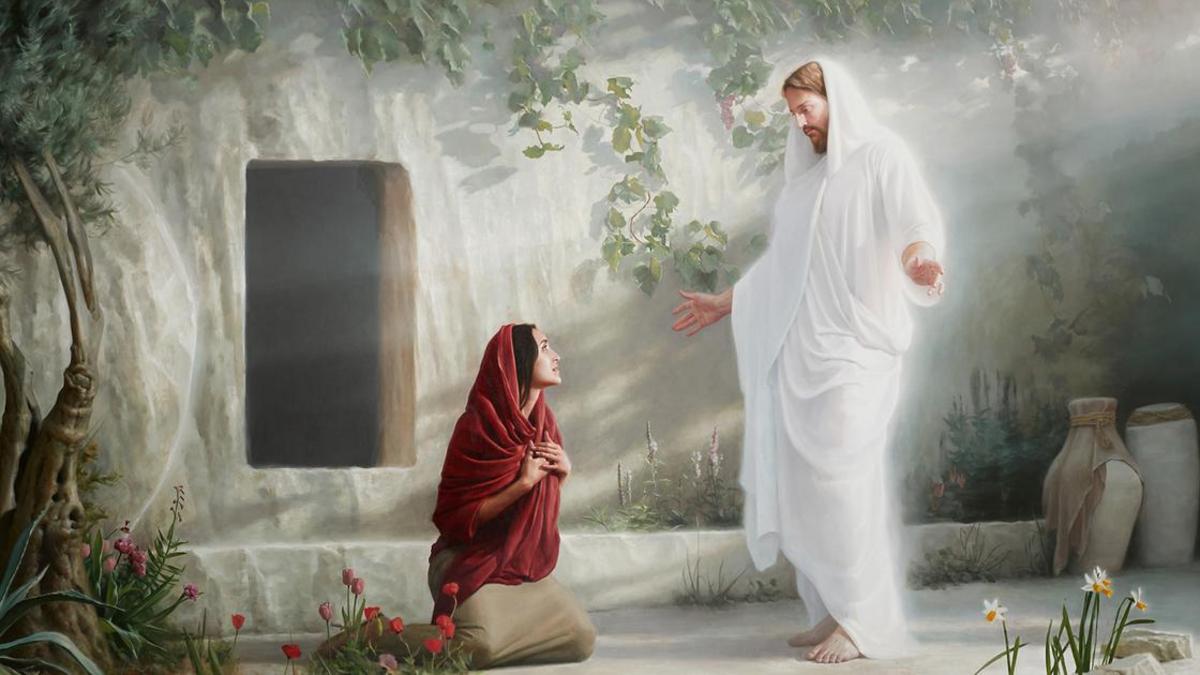
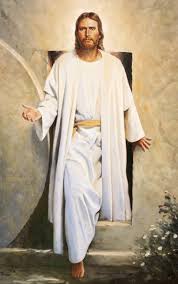
"He is not here: for he is risen, as he said." — Matthew 28:6
A Sacred Journey
This interactive experience invites you to walk with the Savior through His final week — from His triumphant entry into Jerusalem to His glorious Resurrection. Each day reveals profound connections between Christ’s actions and the covenant promises He came to fulfill.
Holy Week is also known as Passion Week among many Christians (from the Latin passio, meaning “suffering”). For Latter-day Saints, this week holds particular significance as we recognize Christ not only as the fulfillment of Passover but as Jehovah Himself — the God of the Old Testament who instituted these very ordinances.
Overview
Hebrew Connection:פֶּסַח (Pesach, “Passover”) — Christ died as the Passover Lamb
When: 10–17 Nisan (Palm Sunday through Resurrection Sunday)
Biblical Basis: Matthew 21–28; Mark 11–16; Luke 19–24; John 12–20
Key Themes: Kingship and humility, sacrifice and service, covenant renewal, redemption, resurrection
A Note on Chronology
There is scholarly debate regarding the exact chronology of Holy Week. The traditional view places the Crucifixion on Friday, with Resurrection on Sunday. However, an alternative timeline — supported by John’s Gospel and Jewish calendar details — suggests a Thursday crucifixion.
Why does this matter?
✦If Christ died at 3:00 PM on Thursday, this would coincide with the exact hour priests were slaughtering Passover lambs at the Temple
✦Matthew 28:1 uses the plural "Sabbaths" (σαββάτων), suggesting two consecutive rest days — the Passover Sabbath (Friday) and the weekly Sabbath (Saturday)
✦This timeline aligns with Christ's prophecy of being in the tomb "three days and three nights" (Matthew 12:40)
For deeper study: James Tabor's article "The Last Days of Jesus: A Final 'Messianic' Meal" explains the evidence for the alternative chronology. Regardless of which timeline one follows, the profound meaning of these events remains unchanged.
Compare the Timelines
Day
Key Events
Hebrew Date
Hebrew Festival
Saturday
Arrival in Bethany; Mary of Bethany anoints Jesus' feet (John 12:1-8)
9 Nisan
—
Sunday
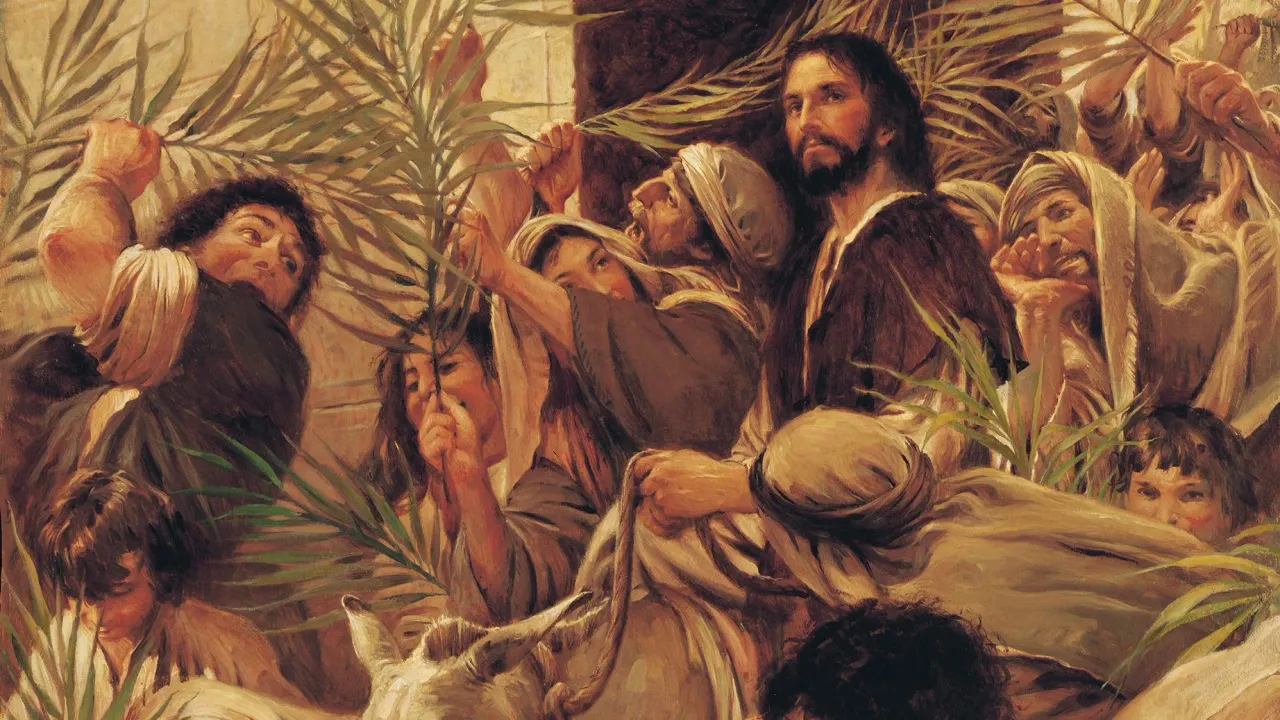
Triumphal Entry into Jerusalem; Jesus weeps over city
Note: In this view, Jesus is in the tomb approximately 36 hours (Friday evening to Sunday morning). Christ rises on Firstfruits — "the firstfruits of them that slept" (1 Corinthians 15:20).
Day
Key Events
Hebrew Date
Hebrew Festival
Saturday
Arrival in Bethany; Mary of Bethany anoints Jesus' feet (John 12:1-8)
9 Nisan
—
Sunday
Triumphal Entry into Jerusalem; Jesus weeps over city
Note: In this view, Jesus dies as the Passover lambs are slaughtered (14 Nisan), rests through both Sabbaths, and rises on Firstfruits — "the firstfruits of them that slept" (1 Corinthians 15:20). Full 72 hours in the tomb fulfills "three days and three nights" (Matthew 12:40).
The Journey Through Holy Week
Each day of Holy Week reveals Christ fulfilling His divine mission. Click any day to explore its events, scriptures, and sacred connections.
SUNDAY
Triumphal Entry
MONDAY
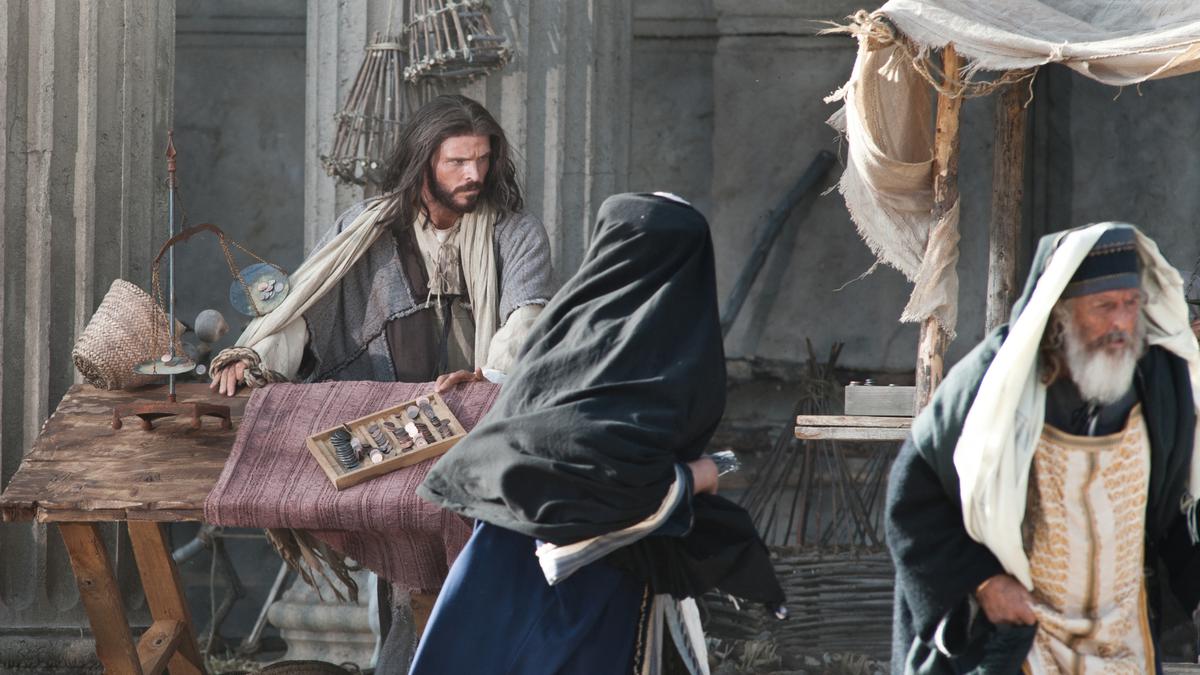
Temple Cleansing
TUESDAY
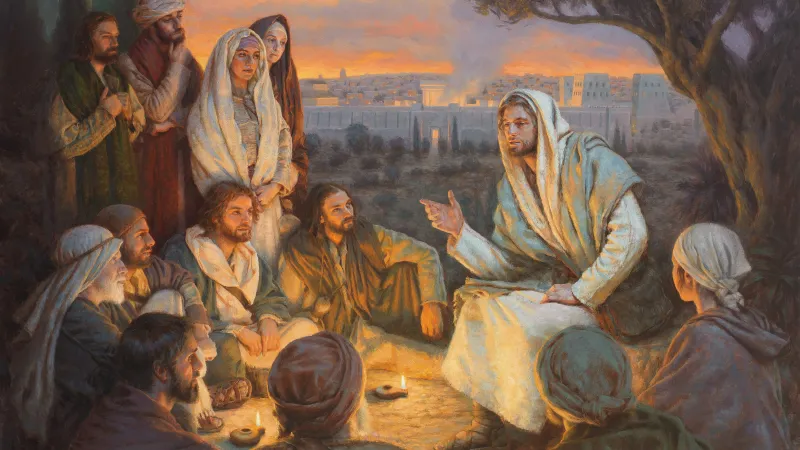
Teaching Day
THURSDAY
Last Supper
THAT NIGHT
Gethsemane
FRIDAY
Crucifixion
SATURDAY
In the Tomb
SUNDAY
He Is Risen!
Timeline shown below reflects the Traditional (Friday Crucifixion) view. Use the toggle above to switch.
Pre-Holy Week
Saturday before Palm Sunday
Jesus returns to Bethany where Lazarus lives — raised weeks earlier. Mary of Bethany anoints Jesus with costly spikenard.
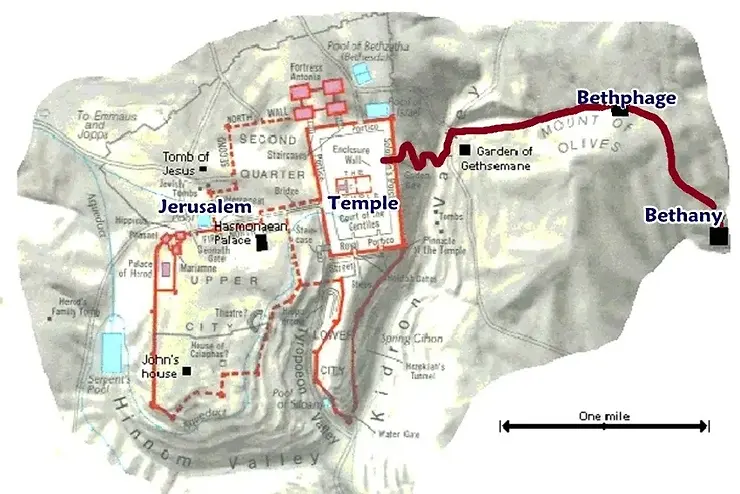
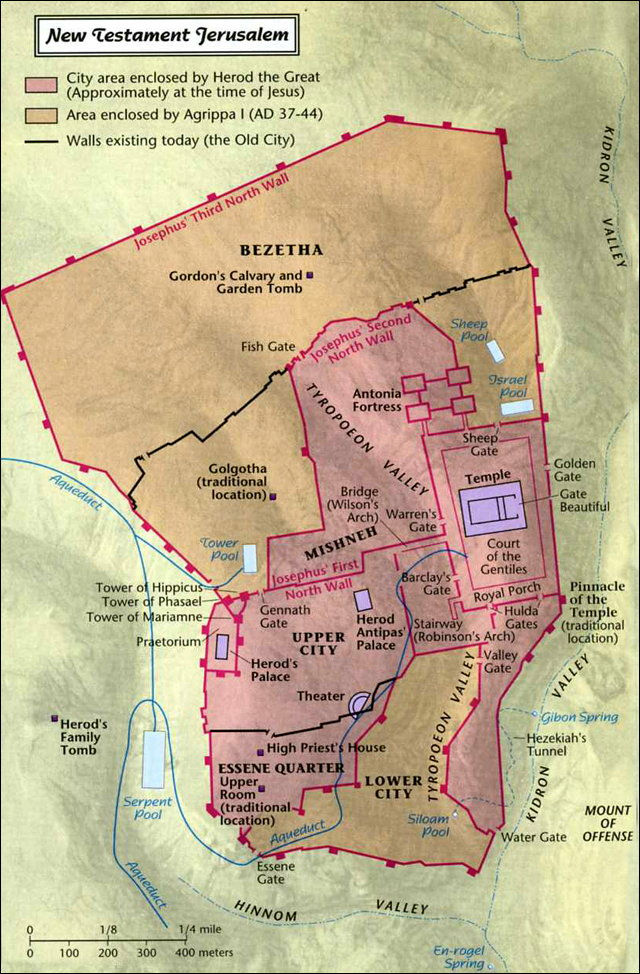
Jesus moved through specific locations during His final week, each carrying profound significance. Click on a marker to learn about the events that happened there.
The Holy Week Journey: Bethany to Jerusalem
New Testament Jerusalem — Detailed View
👆 Click on a marker above to learn about that location
Bethany
Home of Mary, Martha, and Lazarus. Jesus stayed here during Holy Week, walking daily to Jerusalem over the Mount of Olives. This is where Mary anointed Jesus with costly spikenard, preparing Him for burial.
Events: Anointing by Mary (Saturday) • Lodging each night
A small village on the Mount of Olives between Bethany and Jerusalem. Jesus sent two disciples here to fetch the colt upon which He would ride into Jerusalem, fulfilling Zechariah's prophecy.
Site of the Olivet Discourse — Jesus' longest prophetic sermon about the last days, the Second Coming, and the destruction of Jerusalem. This ridge east of the city was where Jesus often retreated to pray. After His resurrection, He ascended to heaven from here.
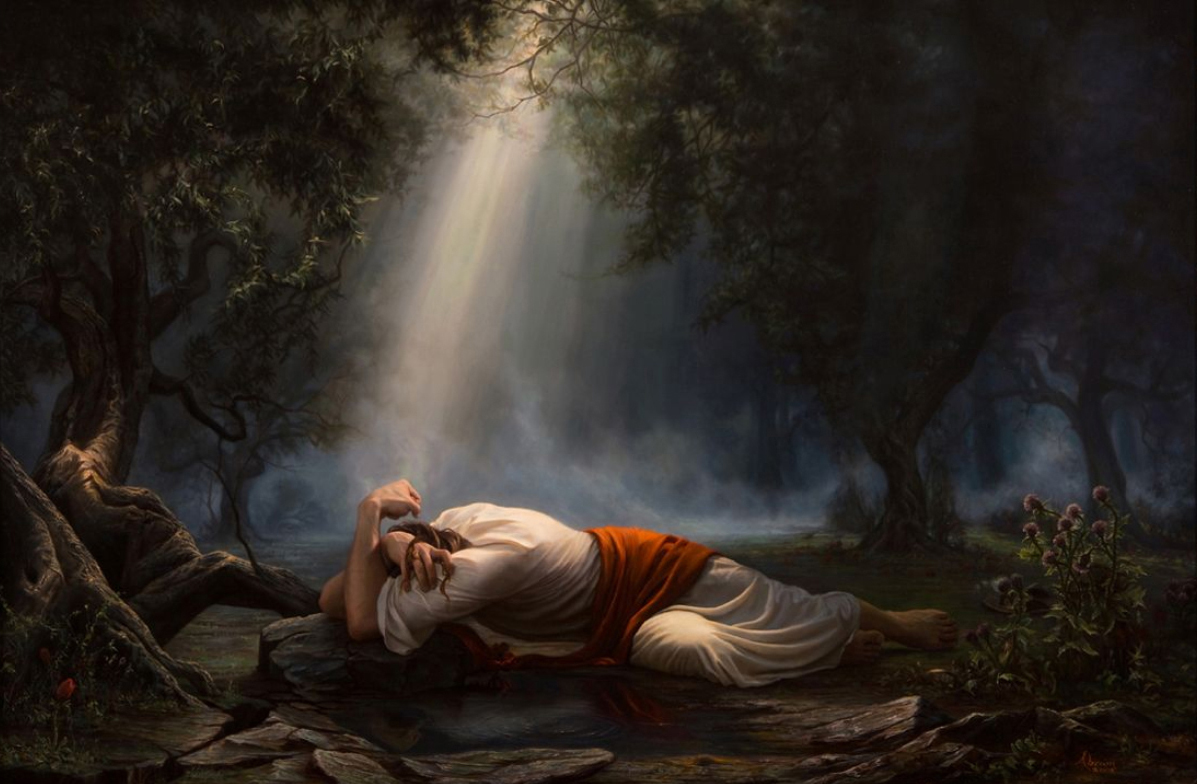
The "oil press" garden at the base of the Mount of Olives where Jesus suffered for our sins, bleeding from every pore. Ancient olive trees still grow there today. This is where Judas betrayed Jesus with a kiss and where He was arrested.
Events: The Atonement begins (Thursday night) • Betrayal and arrest
The center of Jewish worship where Jesus cleansed the Temple, overturning tables of moneychangers. He taught here daily during Holy Week, debating religious leaders and delivering parables. The veil of the Temple was rent at His death.
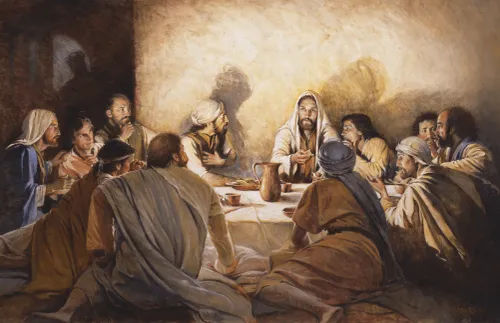
Where the Last Supper was held. Tradition places it on Mount Zion in the Upper City. Here Jesus washed His disciples' feet, instituted the Sacrament, identified His betrayer, and delivered the great Intercessory Prayer of John 17.
Events: Last Supper • Washing of feet • Sacrament instituted • Final teachings
Where Jesus was tried before the Sanhedrin and Peter denied Him three times before the cock crowed. The high priest tore his robes and accused Jesus of blasphemy. Jesus was held here overnight, mocked and beaten.
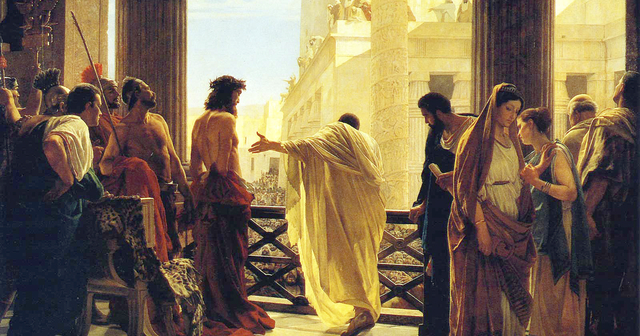
Where Pilate held court and Jesus was scourged and crowned with thorns. The Roman soldiers mocked Him with a purple robe and reed scepter. Here Pilate declared "Ecce Homo" — "Behold the man!" — and washed his hands of Jesus' blood.
Events: Trial before Pilate • Scourging • Crown of thorns • "Behold the man!"
Pilate sent Jesus to Herod Antipas (who had beheaded John the Baptist) hoping to avoid responsibility. Herod questioned Jesus at length, but Jesus refused to answer. Herod's soldiers mocked Him and sent Him back to Pilate in a gorgeous robe.
Events: Hearing before Herod Antipas (Friday morning) • Mockery
"Place of the Skull" — where Jesus was crucified outside the city walls between two thieves. Here He spoke His final words: "Father, forgive them," "Today shalt thou be with me in paradise," and "It is finished." The Lamb of God completed His sacrifice.
Events: Crucifixion (9 AM – 3 PM) • Seven last words • Death of Christ
While most scholars believe this site could not have been the actual tomb based on dating evidence, the Garden Tomb provides a powerful example of what a first-century rock-hewn tomb would have looked like. It helps visitors visualize the burial and resurrection narrative. On the third day, angels rolled away the stone — not to let Jesus out, but to let witnesses in. "He is not here: for he is risen!"
The traditional site of both Golgotha (Calvary) and Christ's tomb, venerated since the 4th century. Constantine's mother Helena identified this location, and it remains the most sacred site in Christianity for many denominations. The church encompasses the last stations of the Via Dolorosa.
Traditional Site Of: Crucifixion (Golgotha) • Anointing Stone • Burial Tomb • Resurrection