Ancient Egypt and Biblical History
A deep-dive cultural guide to Egypt's role in biblical history — from the pyramids to the Ptolemies, from Joseph in Goshen to the Holy Family's flight, and from hieroglyphs to the Septuagint.
A Note on This Guide
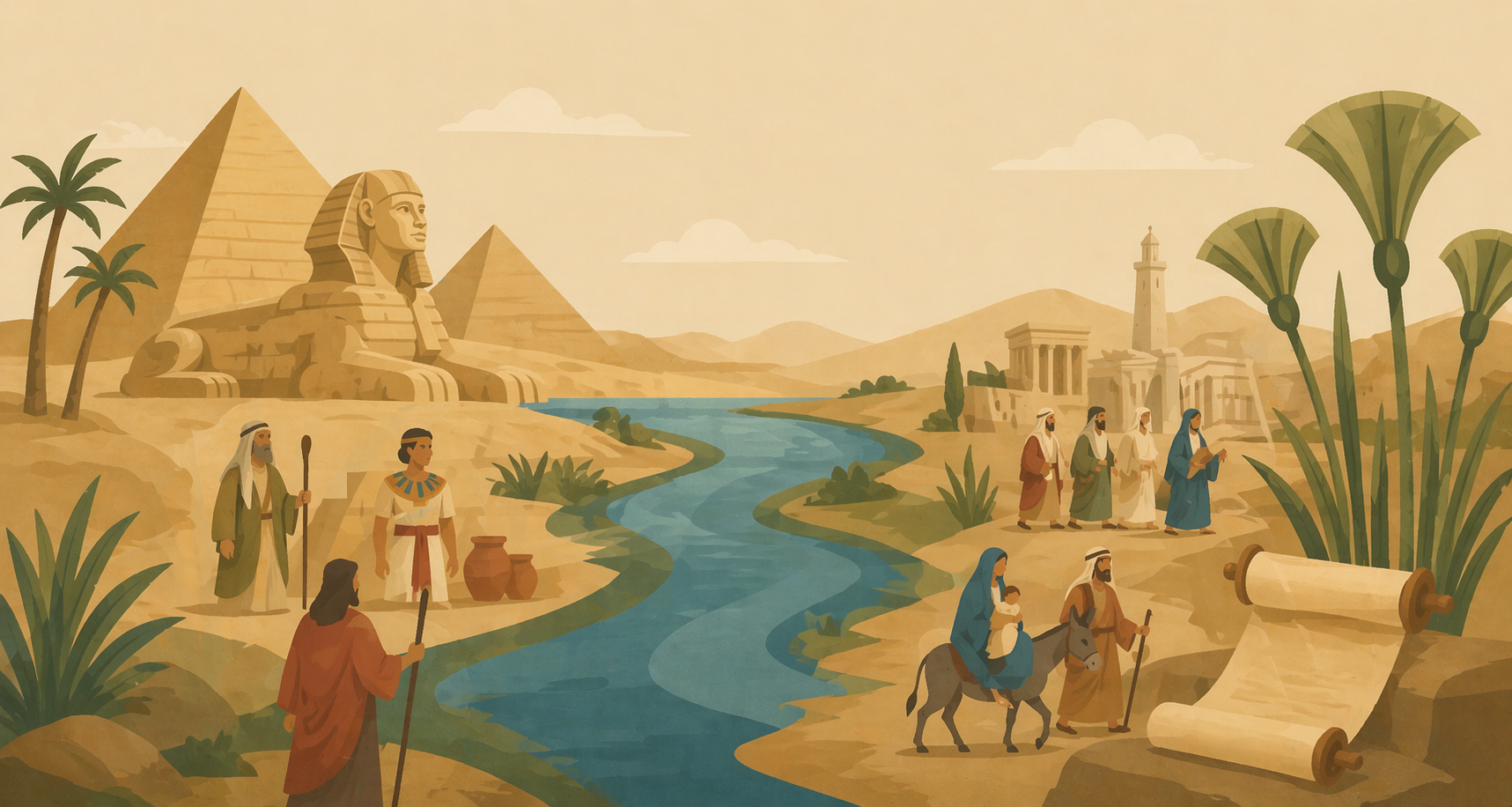
Egypt is not merely a backdrop to the Bible — it is a central character. Abraham sojourned there. Joseph rose to power there. Moses was raised in Pharaoh’s court. Jeremiah fled there after Jerusalem fell. The Jewish community in Alexandria became one of the largest in the ancient world. And when Herod threatened the infant Jesus, Egypt was the refuge.
This guide is designed to help Latter-day Saint scripture students understand the civilization that shaped so much of the biblical narrative. Egypt’s history spans more than three thousand years — its kingdoms rise and fall, its language evolves from hieroglyphs to Coptic, its rulers shift from native pharaohs to Hyksos invaders to Persian conquerors to Greek kings to Roman governors. Through every transition, the story of God’s covenant people intersects with the story of the Nile.
We approach Egyptian history and religion with respect for what it was — one of the most sophisticated civilizations in human history — and with an eye toward what it reveals about the world in which the prophets and patriarchs lived.
How This Guide Is Organized
This supplement is divided into ten sections, each exploring a different dimension of Egypt’s relationship to biblical history. You can read them in order (the timeline and rulers sections provide the framework everything else builds on) or jump to any section that interests you.
The Framework
From the Old Kingdom pyramid builders to the Roman annexation — the major periods of Egyptian history with dates, key features, and how each maps to biblical chronology. Abraham, Joseph, Moses, the Divided Kingdom, the Exile, the Second Temple, and Christ all fit within this timeline.
Native Egyptians, Hyksos invaders, Assyrian and Persian conquerors, Alexander the Great, Ptolemaic Greek kings, and Roman emperors. Each transition reshaped the language, culture, and religion of the Nile Valley — and each affected the Jewish communities living there.
The People
Jewish Communities in Egypt Across Time
From Joseph’s family in Goshen to the Alexandrian Jewish quarter, Jews lived in Egypt for centuries — sometimes by choice, sometimes by force. Military colonies, rival temples, massive urban communities, and a flight to save the Messiah.
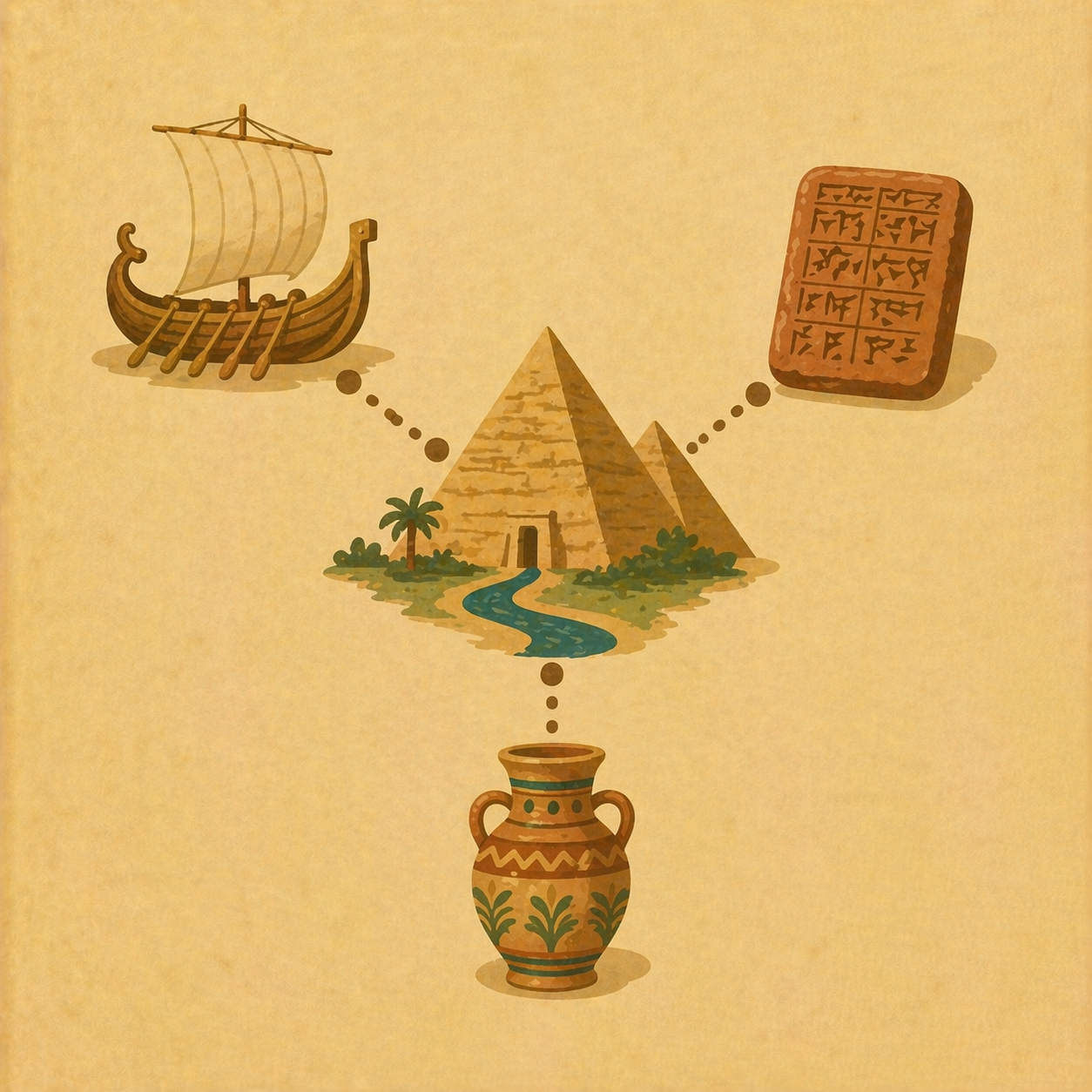
Egypt was never isolated. Canaanites, Minoans, Nubians, Mesopotamians, Hittites, Greeks, and Romans all intersected along the Nile. Trade routes, diplomatic marriages, the Amarna Letters — and how Jews fit into this broader multicultural fabric.
Language & Text
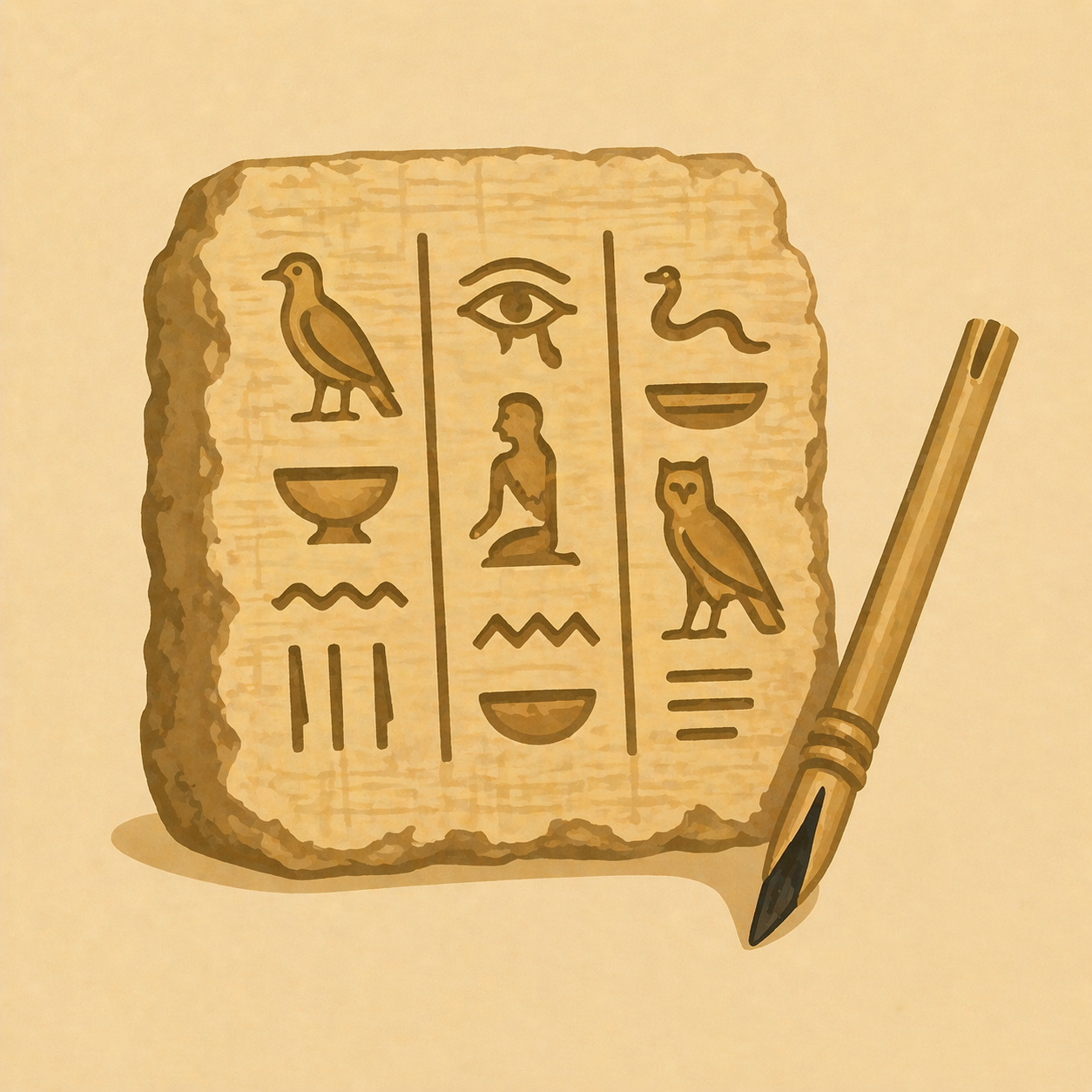
Hieroglyphs, Hieratic, Demotic, Greek, Coptic — five writing systems spanning three millennia. When each was used, by whom, for what purposes. When hieroglyphs went extinct and how the Rosetta Stone brought them back.
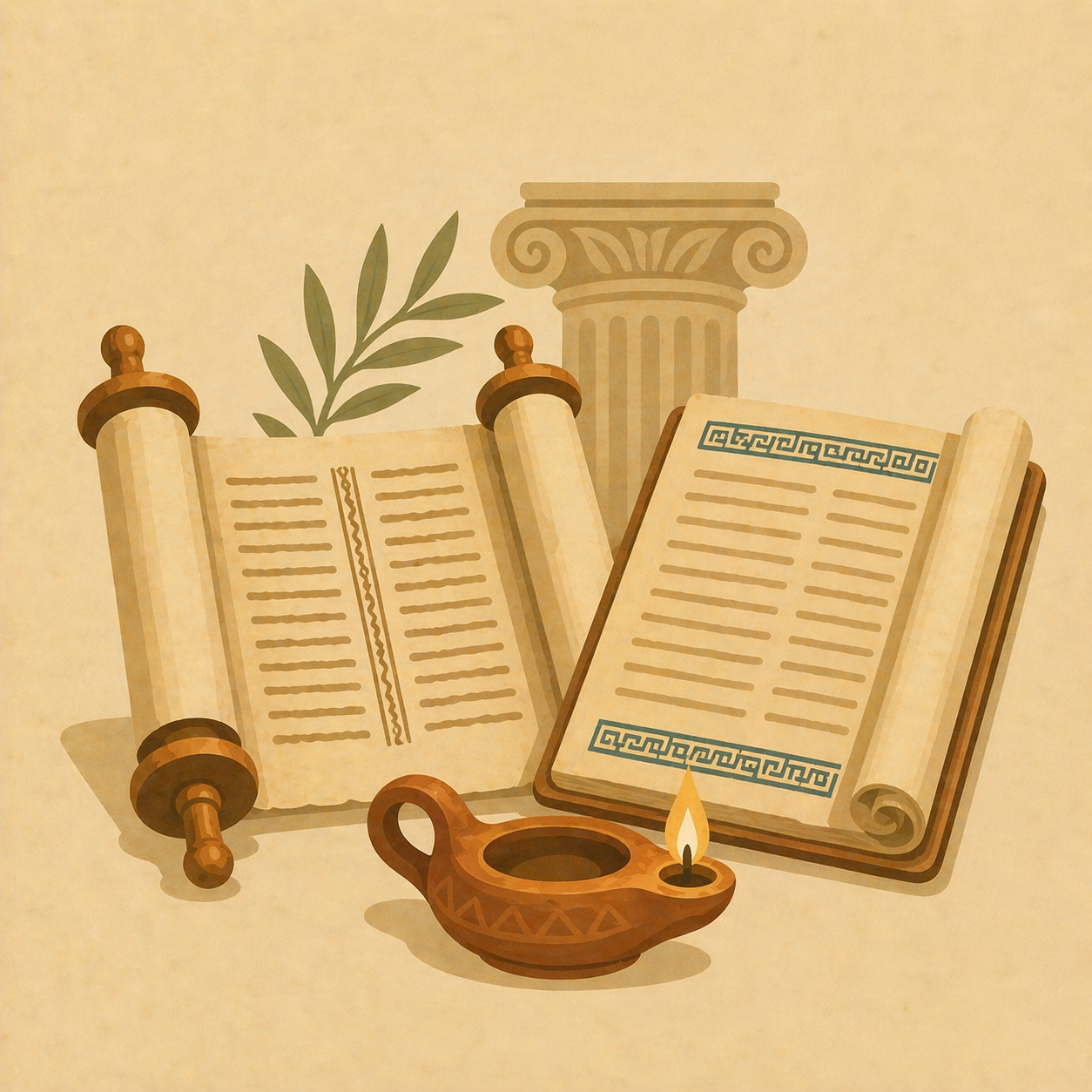
When Ptolemy II commissioned seventy-two Jewish elders to translate the Torah into Greek, it changed everything — how Jews read their own scriptures, how Greeks encountered the God of Israel, and how the New Testament would later quote the Old.
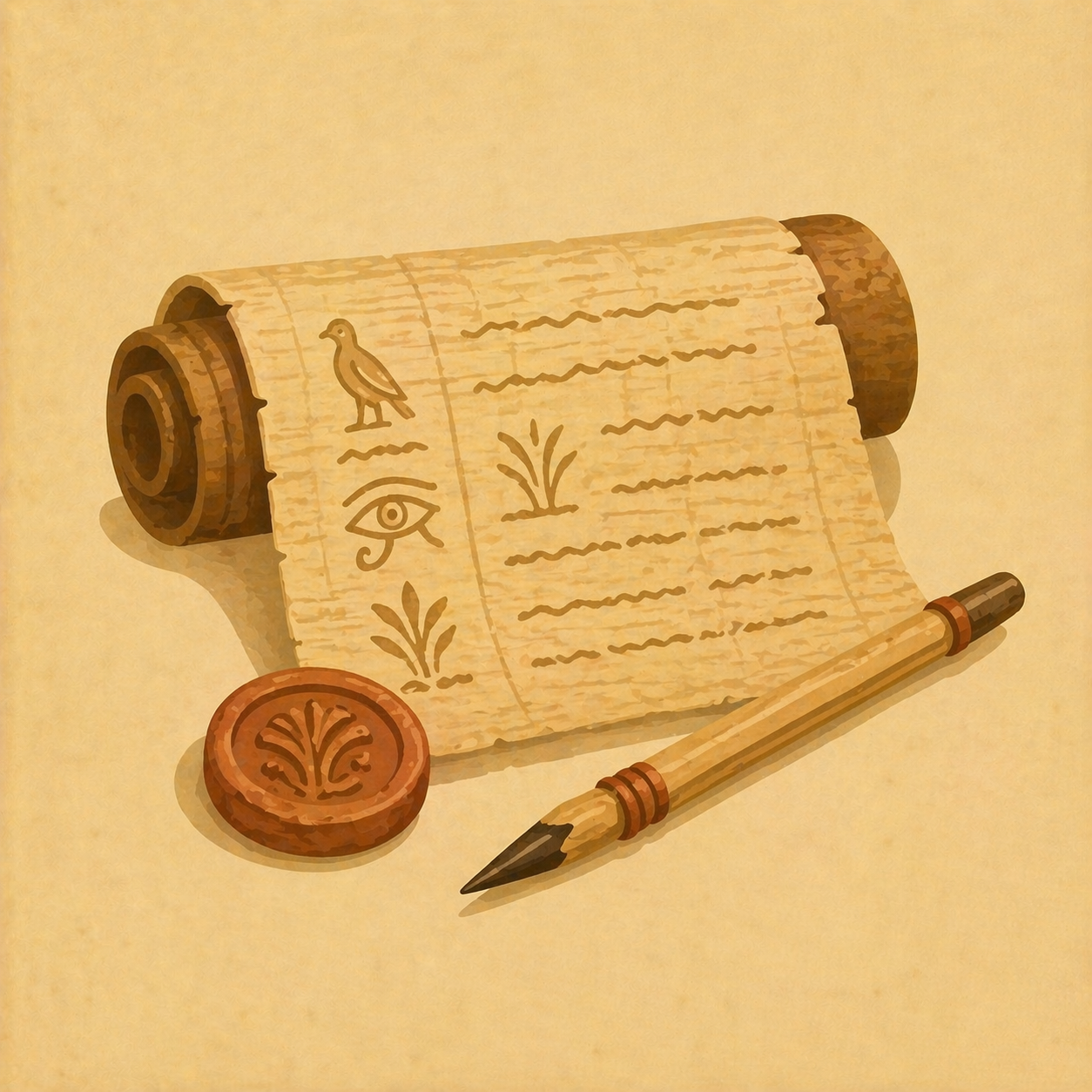
Josephus, Philo, Manetho, Herodotus, the Book of Jubilees — the ancient writers who documented Egypt and its Jewish communities. What they tell us and where their accounts diverge.
Religion & Sacred Texts
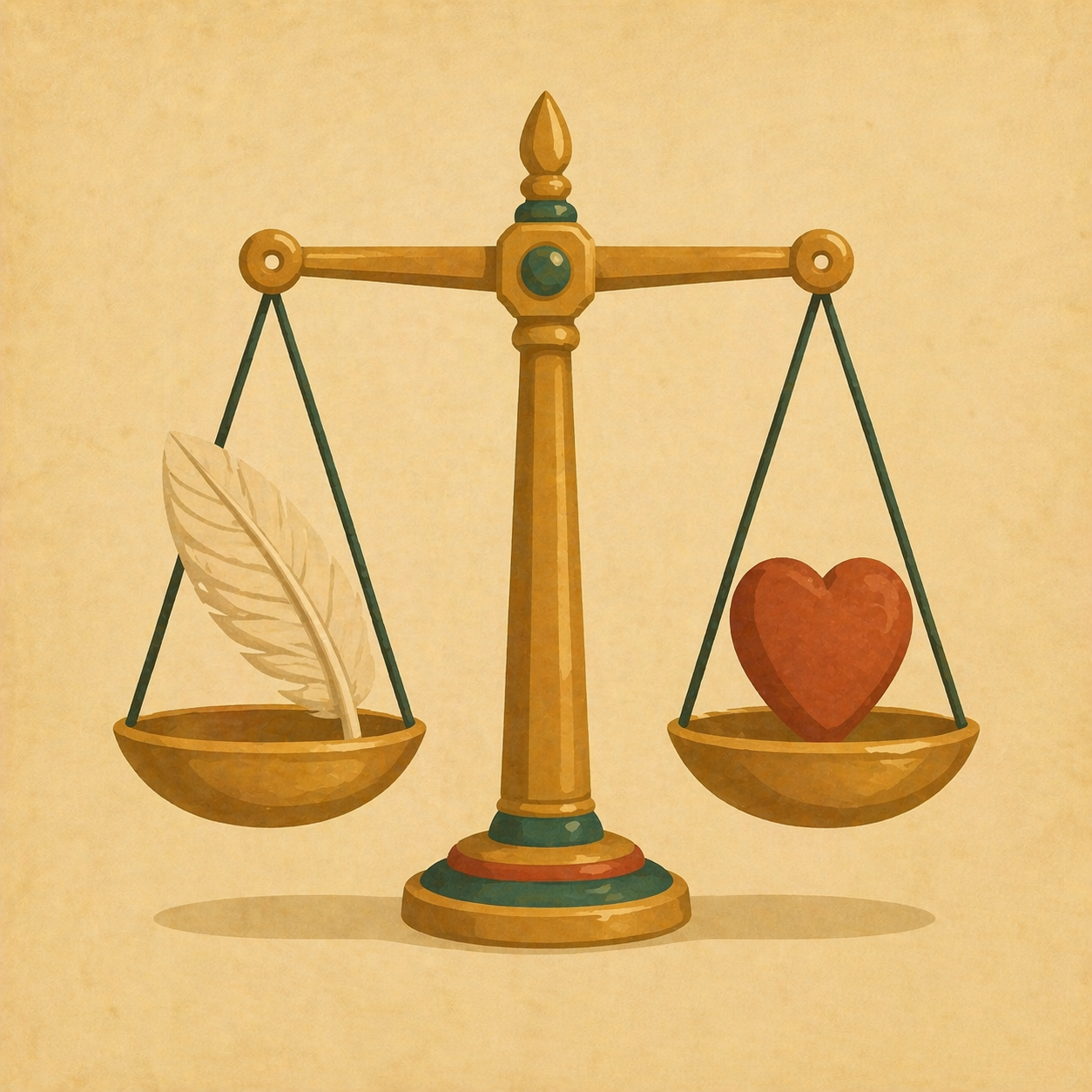
Ra, Osiris, Isis, Horus, Amun — the gods of Egypt and the beliefs that shaped the civilization. Creation myths, afterlife theology, the Book of the Dead, and how Egyptian religious thought compared with and influenced Jewish and Greek traditions.
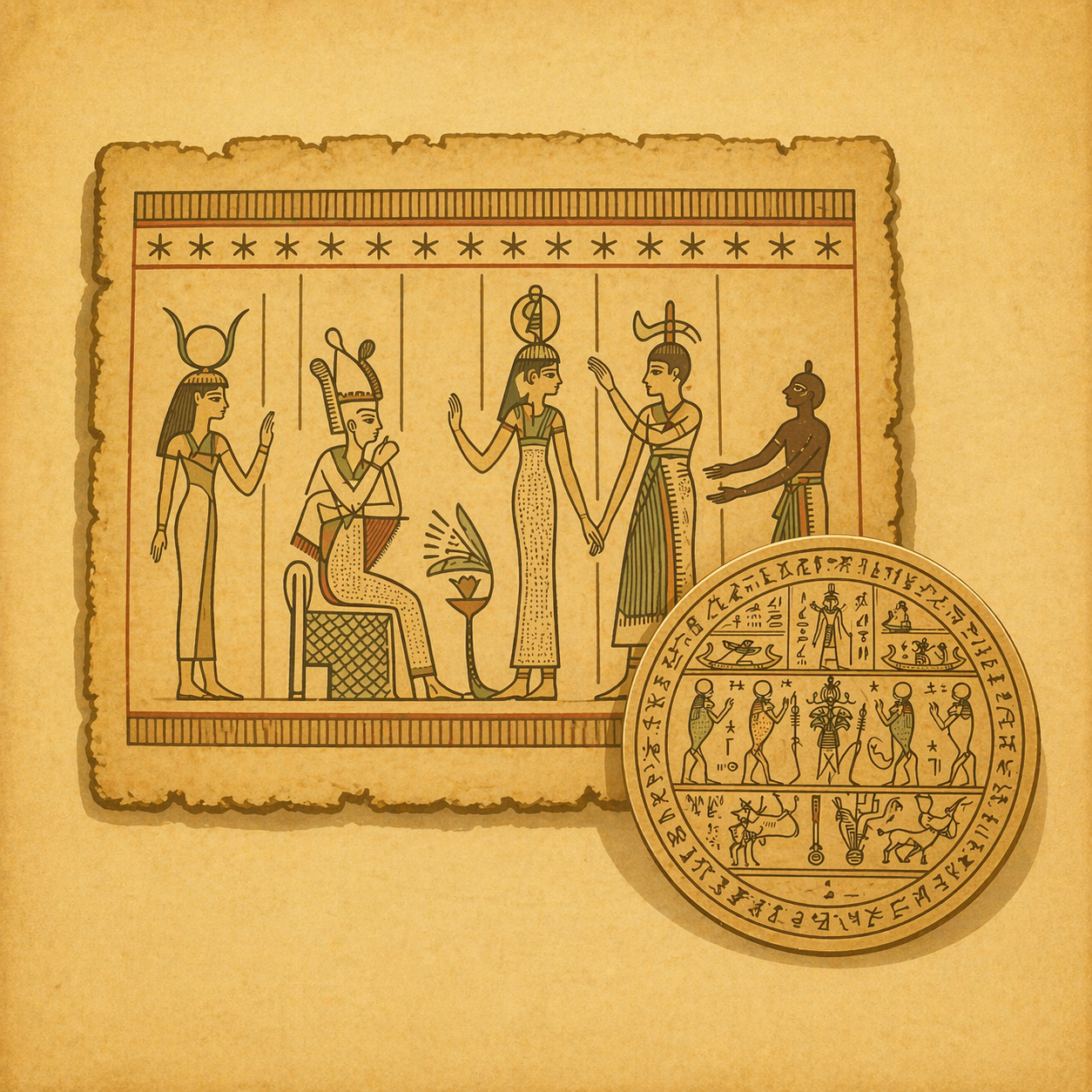
Kerry Muhlestein’s research on Abraham traditions in Egyptian texts, the Book of the Dead’s relationship to temple ordinances, the Joseph Smith Papyri, facsimile interpretations, and Pearl of Great Price connections.
Geography
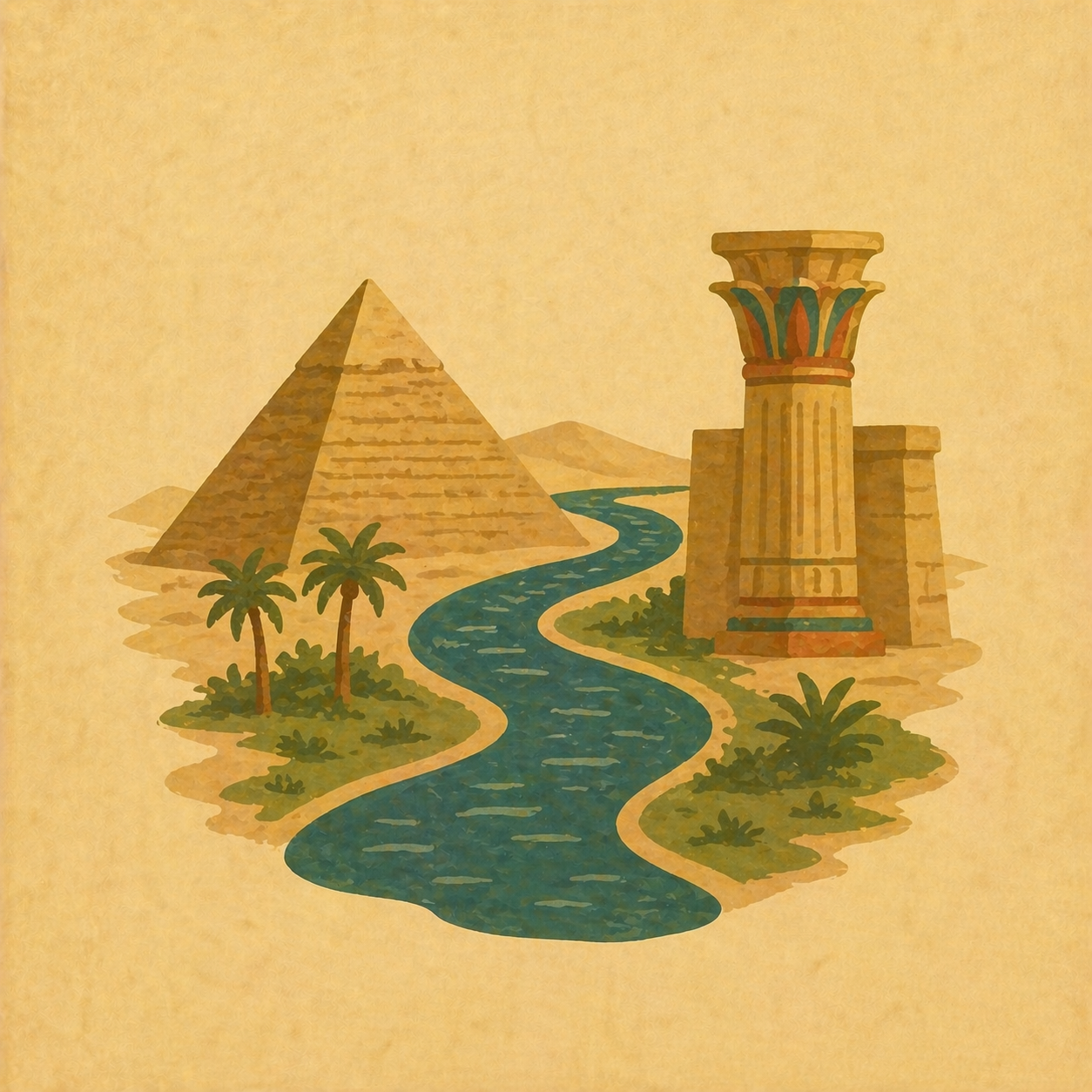
The Pyramids of Giza, the Valley of the Kings, Karnak, Abu Simbel, Elephantine Island, Alexandria, Memphis, Thebes, Goshen — the places where biblical and Egyptian history happened. Maps, historical context, and what you can still see today.
Sources and Recommended Reading
Egyptology & Ancient History:
- Ian Shaw, The Oxford History of Ancient Egypt (Oxford University Press, 2000) — The standard one-volume reference.
- Barry Kemp, Ancient Egypt: Anatomy of a Civilization (Routledge, 3rd ed. 2018) — Analytical rather than narrative; excellent on how Egyptian society actually worked.
- Erik Hornung, The Ancient Egyptian Books of the Afterlife (Cornell, 1999) — The definitive introduction to the Book of the Dead, Coffin Texts, and funerary literature.
- Jan Assmann, The Search for God in Ancient Egypt (Cornell, 2001) — Egyptian theology and religious thought from a leading Egyptologist.
- John Baines & Jaromir Malek, Atlas of Ancient Egypt (Phaidon, 2000) — Maps and site descriptions.
- James P. Allen, Middle Egyptian: An Introduction to the Language and Culture of Hieroglyphs (Cambridge, 3rd ed. 2014) — The standard textbook for reading hieroglyphs.
Egypt & the Bible:
- James K. Hoffmeier, Israel in Egypt: The Evidence for the Authenticity of the Exodus Tradition (Oxford, 1996) — Archaeological evidence for the Israelite presence in Egypt.
- James K. Hoffmeier, Ancient Israel in Sinai: The Evidence for the Authenticity of the Wilderness Tradition (Oxford, 2005) — Companion volume on the wilderness period.
- Kenneth Kitchen, On the Reliability of the Old Testament (Eerdmans, 2003) — Extensive treatment of Egyptian-biblical connections by a leading Egyptologist.
Jewish Communities in Egypt:
- Joseph Modrzejewski, The Jews of Egypt: From Rameses II to Emperor Hadrian (Princeton, 1995) — The standard history of Jewish life in Egypt.
- Bezalel Porten, The Elephantine Papyri in English (Brill, 1996) — Primary source translations from the Jewish military colony.
- John J. Collins, Between Athens and Jerusalem: Jewish Identity in the Hellenistic Diaspora (Eerdmans, 2000) — Alexandrian Judaism in context.
LDS Scholarship:
- Kerry Muhlestein, Let's Talk About the Book of Abraham (Deseret Book, 2022); "Egyptian Papyri and the Book of Abraham: A Faithful, Egyptological Point of View" in No Weapon Shall Prosper (RSC/Deseret Book, 2011); lecture series on the Book of Abraham, Springville, Utah, September 11–13, 2025.
- Hugh Nibley, The Message of the Joseph Smith Papyri: An Egyptian Endowment (2nd ed. with John Gee & Michael Rhodes, FARMS, 2005).
- Hugh Nibley, Abraham in Egypt (FARMS, 2000).
- John Gee, An Introduction to the Book of Abraham (RSC/Deseret Book, 2017).
- Stephen O. Smoot, "The Book of the Dead as a Temple Text and the Implications for the Book of Abraham," Interpreter: A Journal of Latter-day Saint Faith and Scholarship 47 (2021): 1–38.
Online Resources:
- World History Encyclopedia — Ancient Egypt — Peer-reviewed nonprofit encyclopedia with 55+ articles on Egyptian periods, rulers, religion, sites, and writing systems. Excellent accessible overviews. (CC BY-NC-SA 4.0)
- British Museum — Egyptian Collection
- Metropolitan Museum of Art — Egyptian Art
- UCLA Encyclopedia of Egyptology — Peer-reviewed, open access.
- Digital Egypt for Universities (UCL)
- Book of Abraham Project — BYU-affiliated research resource.