The Land of Canaan and Its Peoples
A deep-dive cultural guide to the peoples, geography, religion, and archaeology of Canaan — essential background for understanding Israel's story from Joshua through Judges and beyond.
A Note on This Guide
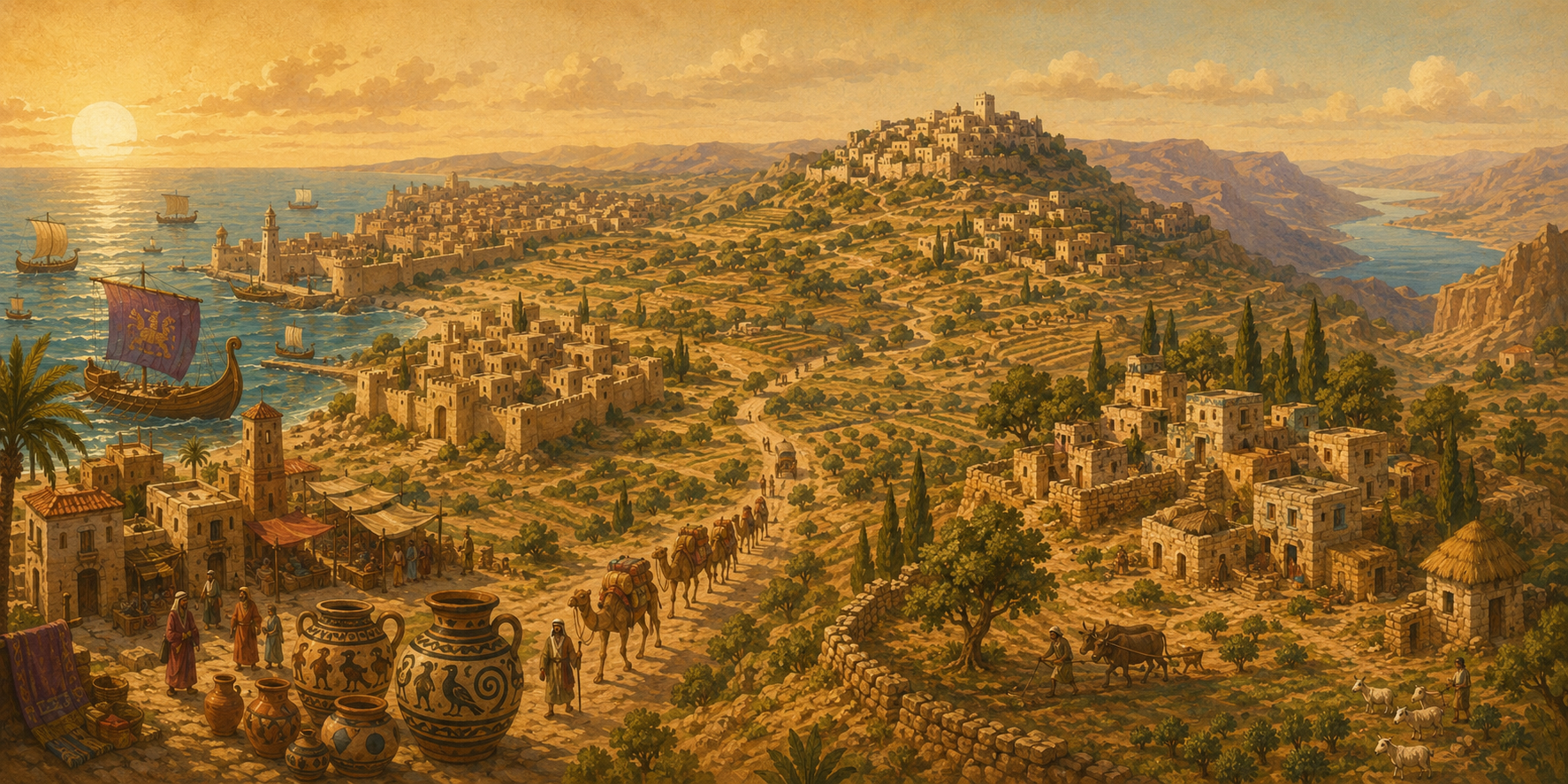
Canaan is more than the land Israel entered — it is the land Israel entered into. Unlike Egypt, where one civilization dominated the Nile for three millennia, Canaan was a patchwork of peoples, city-states, languages, and religions all occupying a narrow corridor between empires. Hittites and Amorites, Phoenicians and Philistines, Jebusites and Hivites — each with their own gods, their own culture, and their own claim to the land.
Understanding Canaan is essential for reading Joshua and Judges honestly. The conquest was not a march through empty territory. The Judges period was not a simple cycle of sin and deliverance. Both are stories of encounter — Israel meeting a world that was already ancient, already complex, and already deeply hostile to the covenant they carried.
We approach the peoples and religions of Canaan with respect for the historical and archaeological evidence, and with an eye toward what that evidence reveals about the challenges Israel faced in becoming a covenant people in a land that worshipped other gods.
How This Guide Is Organized
This supplement is divided into ten sections, each exploring a different dimension of Canaan and its relationship to Israel’s story. You can read them in order (the geography and timeline sections provide the framework everything else builds on) or jump to any section that interests you.
The Framework
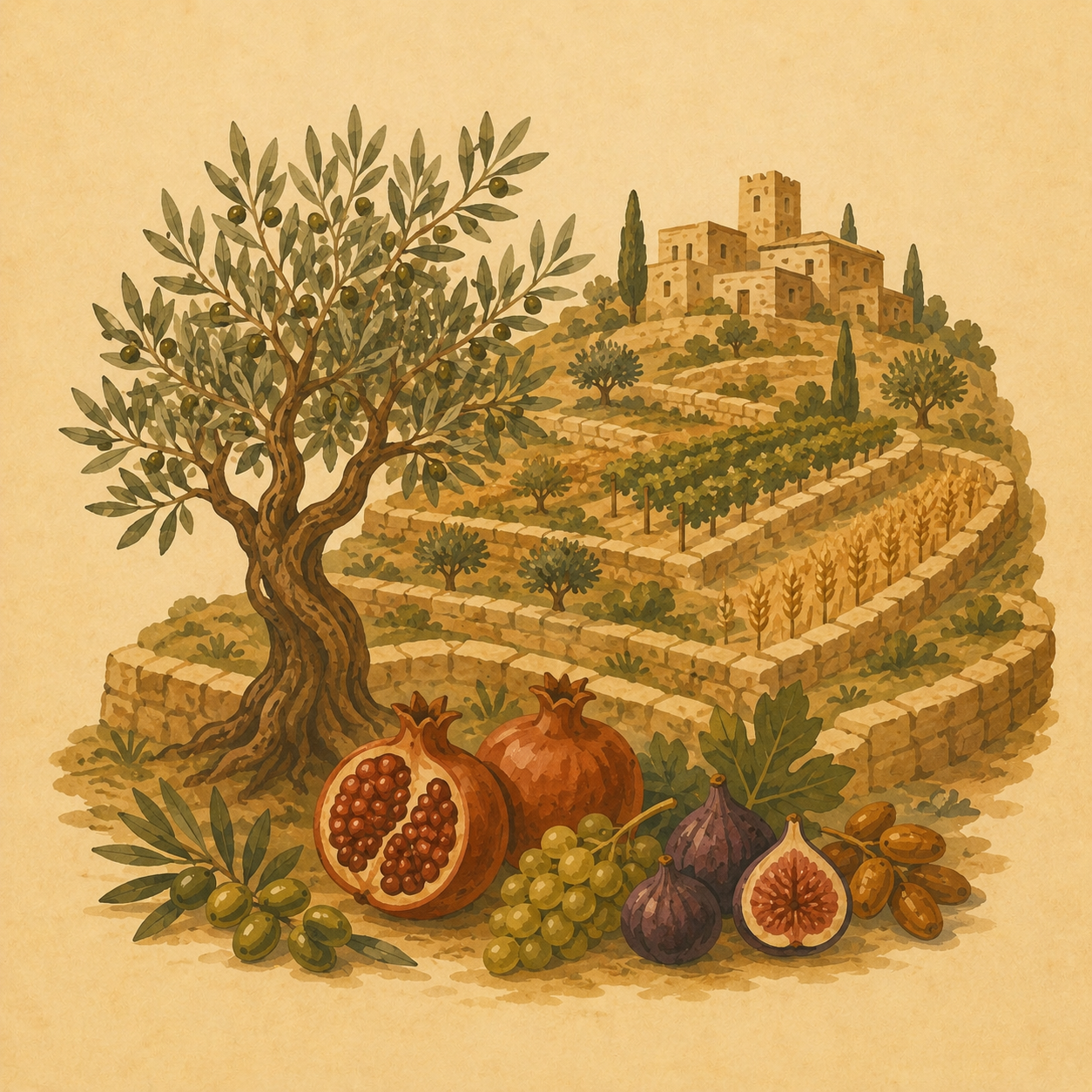
A narrow strip between the Mediterranean and the desert, between Egypt and Mesopotamia — and the most fought-over real estate in ancient history. Geography, trade routes, climate zones, and why this land of “milk and honey” was both a blessing and a battleground.
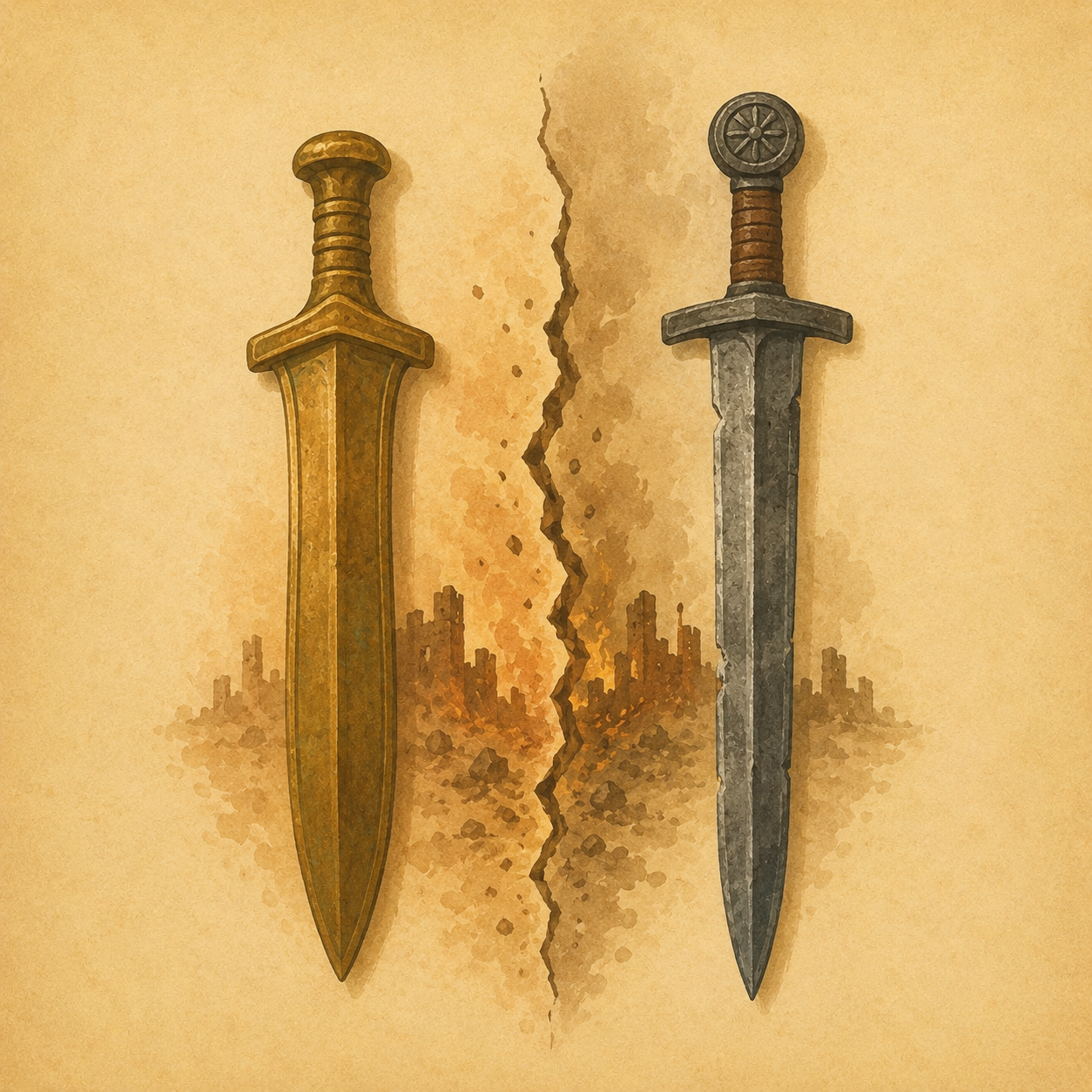
From the Bronze Age collapse to the rise of Iron Age kingdoms — the external powers that controlled Canaan and the power vacuums that created Israel’s opportunity. Egyptian vassalage, Hittite rivalry, Sea Peoples disruption, and the Iron Age dawn.
The Peoples
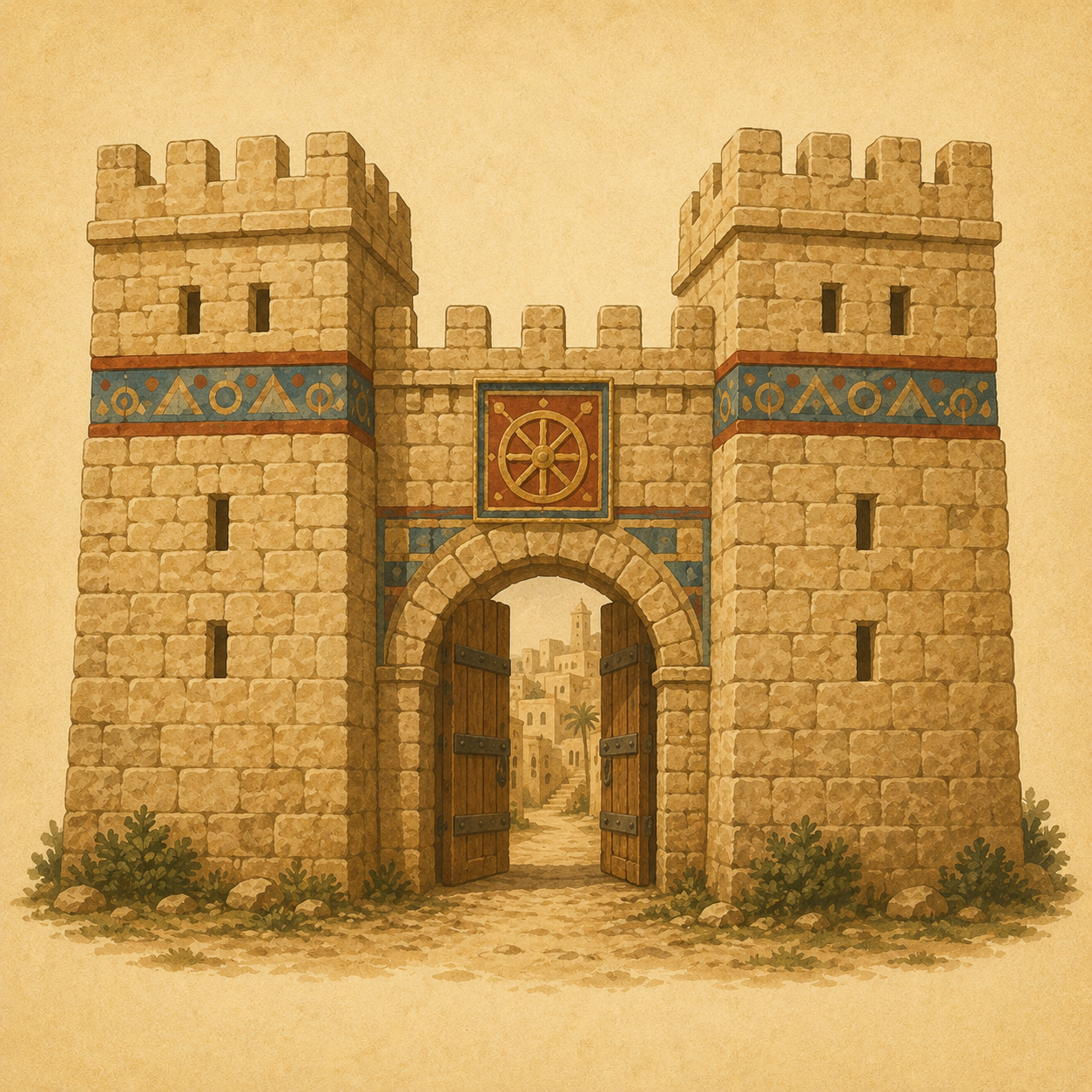
The “seven nations” of Deuteronomy 7 — Hittites, Girgashites, Amorites, Canaanites, Perizzites, Hivites, and Jebusites. Who were they? How were their city-states organized? What does archaeology tell us about their culture and daily life?
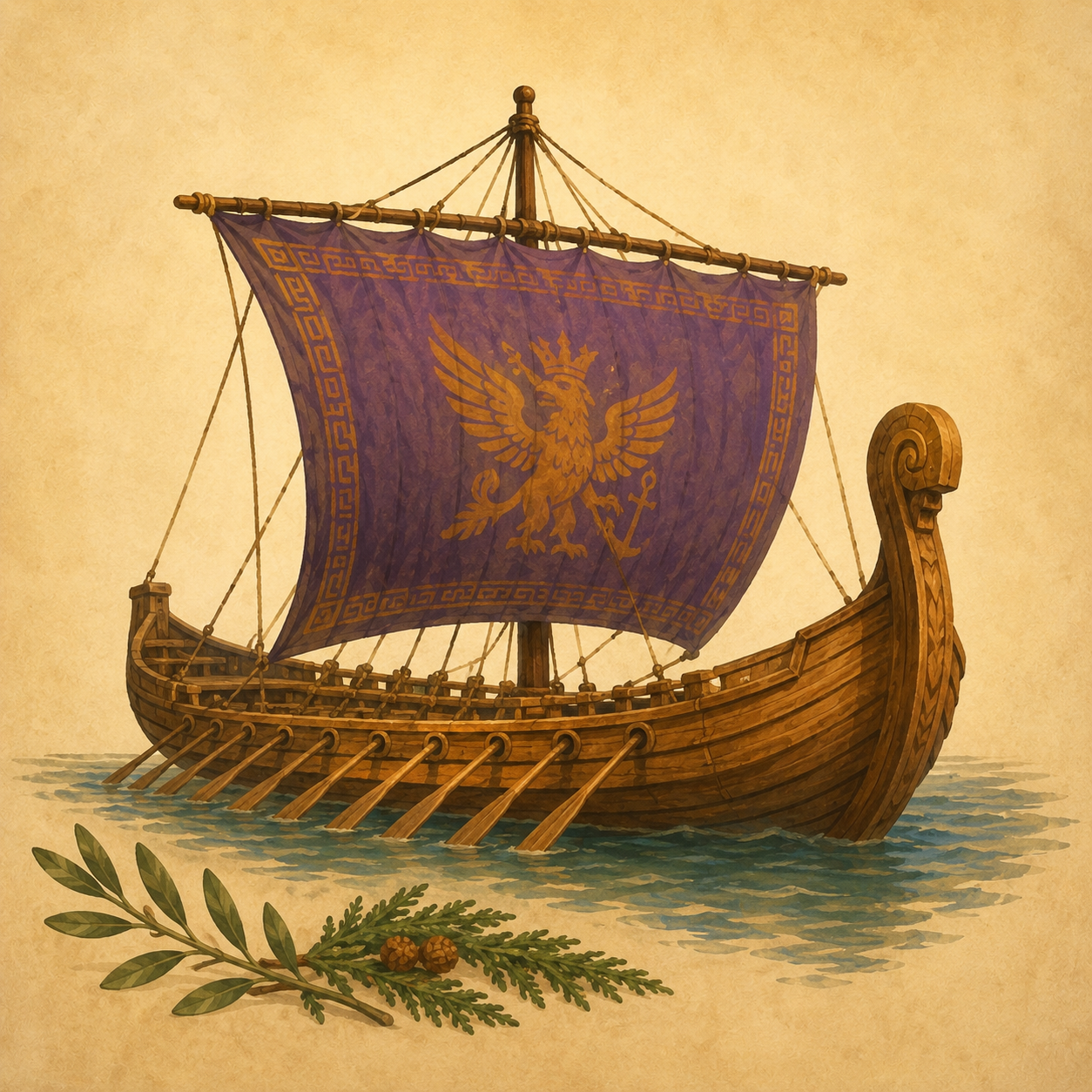
Tyre, Sidon, Byblos — the master sailors and traders who gave the world its alphabet. From Hiram’s timber and craftsmen for Solomon’s Temple to Jezebel’s imported Baal cult, the Phoenicians shaped Israel’s story from alliance to apostasy.
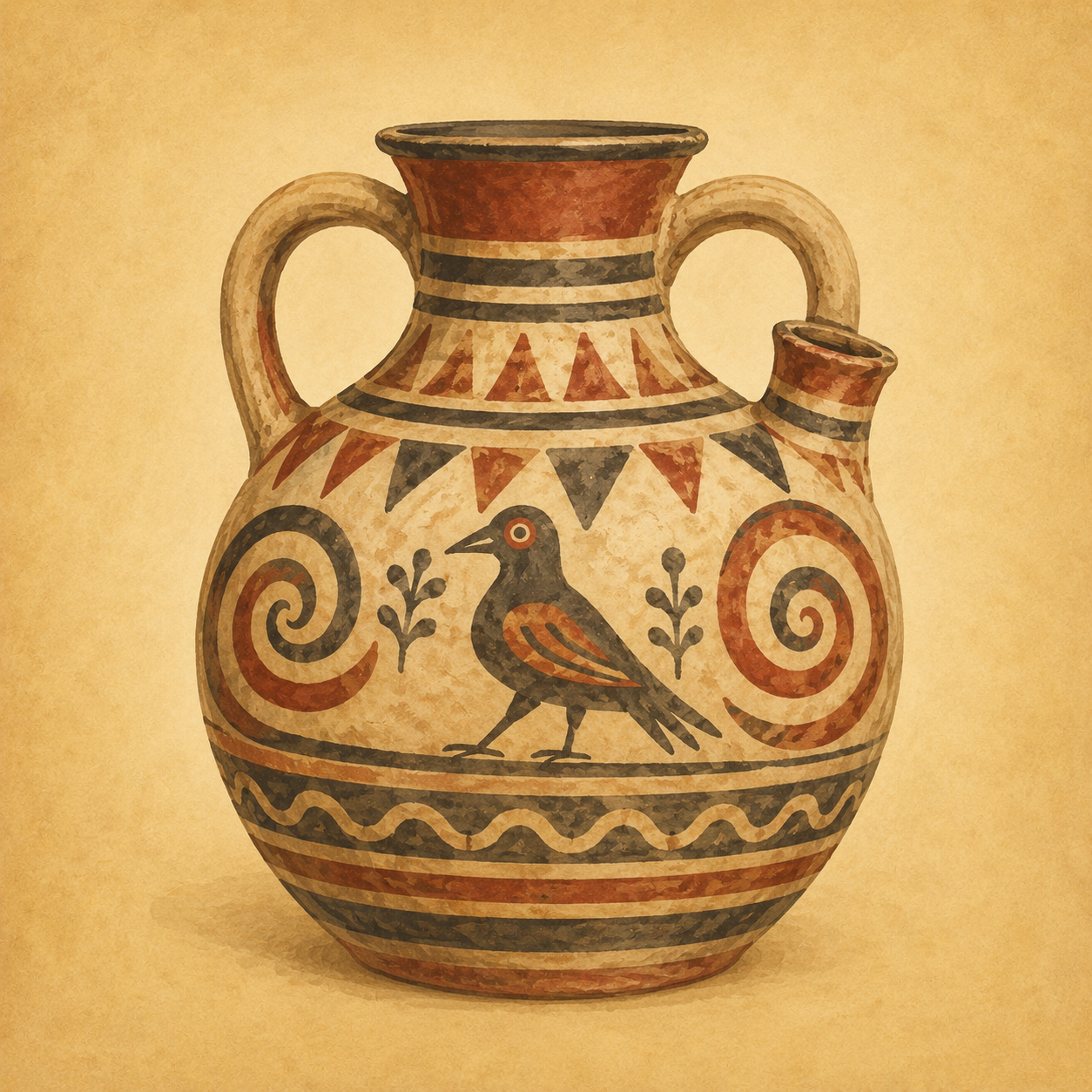
Newcomers from across the sea — the Sea Peoples who settled the southern coast and became Israel’s defining rival. The Pentapolis (Gaza, Ashkelon, Ashdod, Ekron, Gath), iron technology, Dagon worship, and the conflict that runs from Samson through David’s sling.
Religion & Text
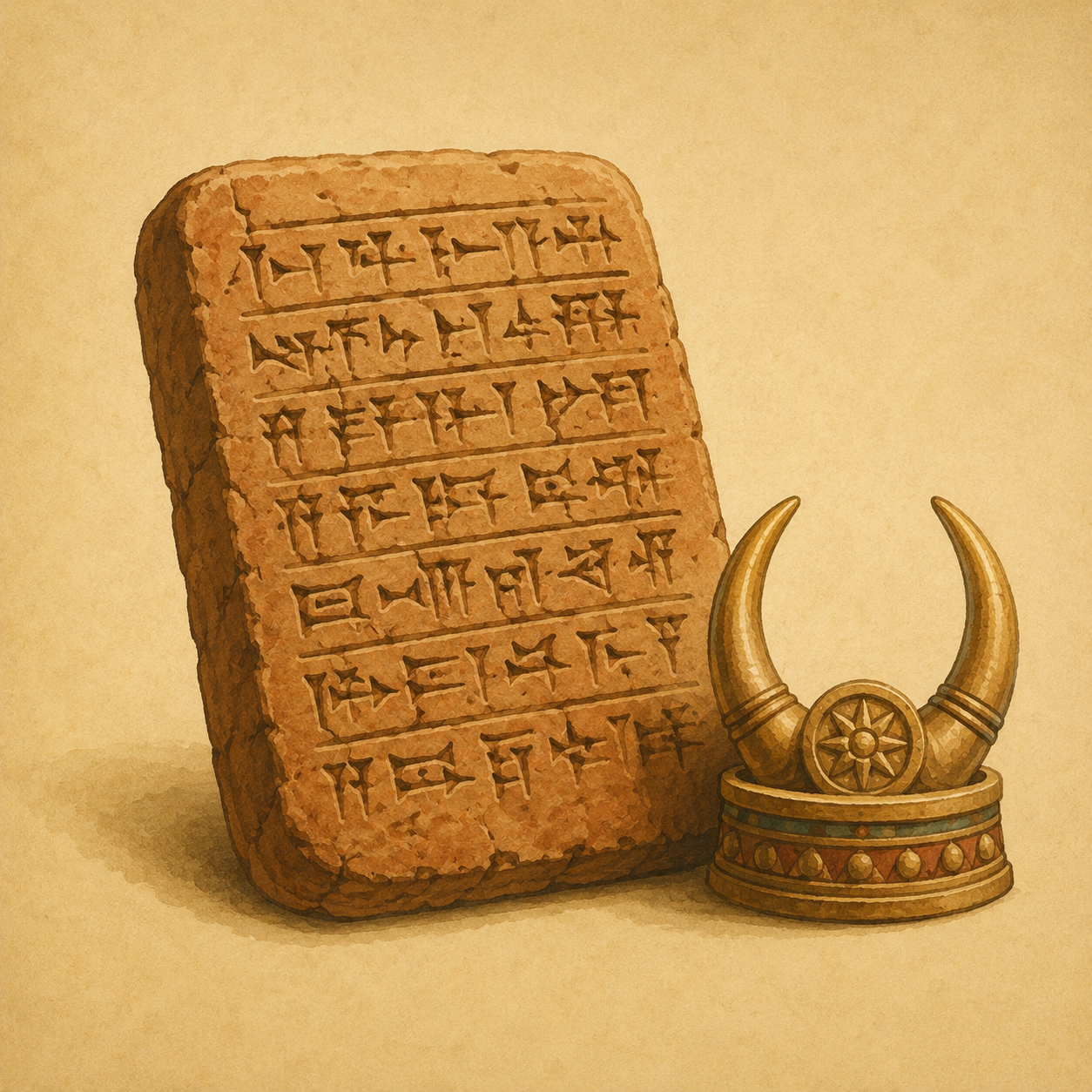
The Ugaritic texts from Ras Shamra opened a window into the religion Israel was commanded to reject. El, Baal, Asherah, Anat, Mot, Dagon — the Canaanite pantheon, the fertility cult, and the fundamental contrast between YHWH worship and the gods of the land.
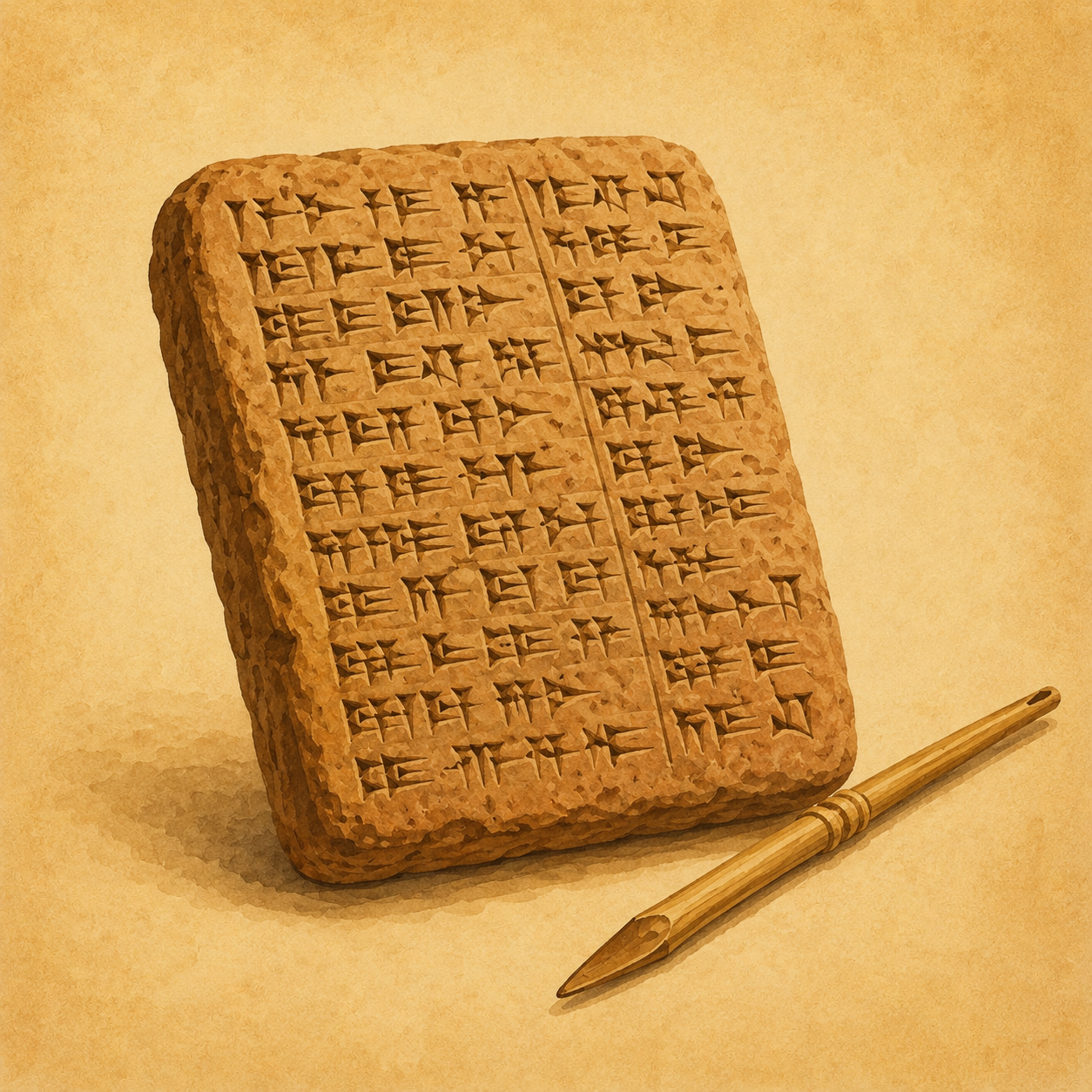
Over 300 clay tablets from Pharaoh’s archive reveal Canaan in the 14th century BC — city-state kings begging Egypt for help, accusing each other of treachery, and reporting the disruptive Habiru. The Amarna Letters are the closest thing we have to hearing Canaan’s own voice before Israel arrived.
Israel’s Story
From Joshua’s crossing of the Jordan to the chaos of Judges — the conquest that was never complete, the coexistence that led to syncretism, the cycle of apostasy and deliverance, and the long struggle to remain a covenant people in a land that worshipped other gods.

Promised land theology, the difficult question of cherem (the ban), Rahab’s faith and conversion, covenant renewal at Shechem, and how the Book of Mormon reads the Canaanite conquest — including Nephi’s remarkable argument in 1 Nephi 17:32–38.
Geography
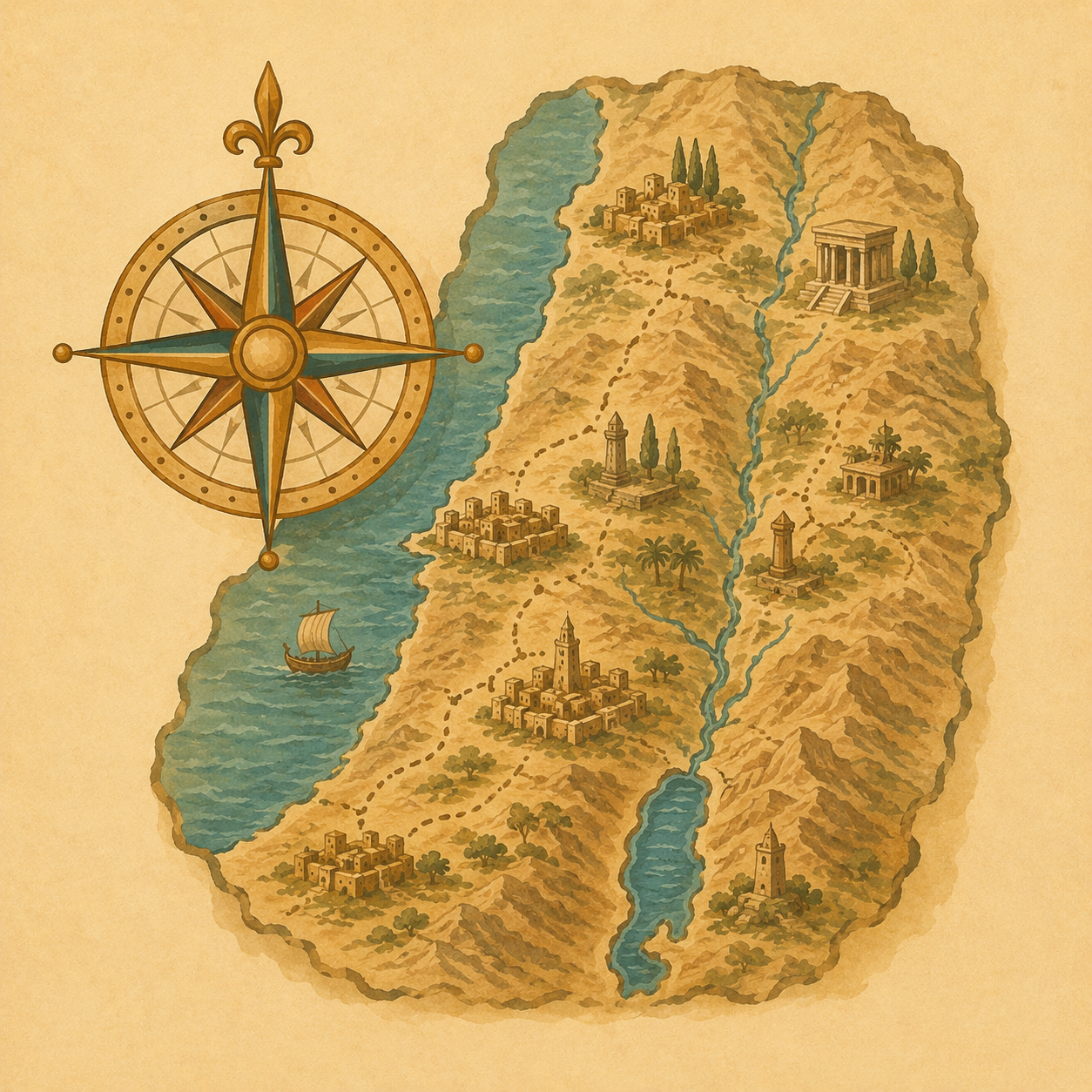
Jericho, Hazor, Megiddo, Shechem, Lachish, Ugarit, the Philistine Pentapolis — an interactive map of the places where Canaan’s story happened. Archaeological discoveries, historical significance, and what you can still see today.
Sources and Recommended Reading
Canaan & the Biblical World:
- Jonathan N. Tubb, Canaanites (British Museum Press, 1998) — Accessible overview by the British Museum's curator of Syro-Palestinian antiquities.
- K. Lawson Younger Jr., Judges and Ruth (NIV Application Commentary, Zondervan, 2002) — Careful treatment of the Judges period with cultural context.
- Richard S. Hess, Joshua (Tyndale OT Commentaries, IVP Academic, 1996) — Standard evangelical commentary with archaeological awareness.
- Kenneth Kitchen, On the Reliability of the Old Testament (Eerdmans, 2003) — Extensive treatment of conquest and settlement questions.
Ugarit & Canaanite Religion:
- Mark S. Smith, The Early History of God: Yahweh and the Other Deities in Ancient Israel (Eerdmans, 2nd ed. 2002) — The standard scholarly treatment of Israelite religion in its Canaanite context.
- Nicolas Wyatt, Religious Texts from Ugarit (Sheffield Academic Press, 2nd ed. 2002) — English translations of the major mythological and ritual texts from Ras Shamra.
- John Day, Yahweh and the Gods and Goddesses of Canaan (Sheffield Academic Press, 2000) — Detailed study of the relationship between YHWH worship and Canaanite religion.
Archaeology:
- Amihai Mazar, Archaeology of the Land of the Bible: 10,000–586 BCE (Doubleday, 1990) — The standard archaeological survey of the biblical period in Canaan.
- Israel Finkelstein & Neil Asher Silberman, The Bible Unearthed (Free Press, 2001) — Provocative minimalist reading; useful as a counterpoint regardless of where one falls on the debate.
- William G. Dever, Who Were the Early Israelites and Where Did They Come From? (Eerdmans, 2003) — Archaeological perspective on Israelite origins in the highlands.
Online Resources:
- World History Encyclopedia — Canaan — Peer-reviewed nonprofit encyclopedia with articles on Canaanite culture, religion, and archaeology. (CC BY-NC-SA 4.0)
- Bible Odyssey — Society of Biblical Literature’s public-facing resource with scholarly articles on biblical peoples and places.
- Sefaria — Open-source library of Jewish texts; useful for rabbinic commentary on Joshua and Judges.