Babylon & the Bible
Where the tablets and the text tell the same story — and where Babylon becomes more than a city
No event in the Old Testament is better documented from outside the Bible than Judah’s collision with Babylon. For the patriarchs, we have cultural parallels. For the Exodus, we have arguments built on indirect clues. For David, a single inscribed stone naming his dynasty. But for the last twenty years of the kingdom of Judah, the evidence is of a different order entirely. A Babylonian state chronicle narrates the capture of Jerusalem. Palace records name Judah’s exiled king. A tax receipt names one of the officials who sat in Jerusalem’s gate. And letters scratched on potsherds by Judah’s own soldiers survive from the days the end closed in. This page gathers the evidence — and then follows Babylon as it grows, inside scripture, from a city into a symbol.
Two Accounts of One Siege: 597 BC
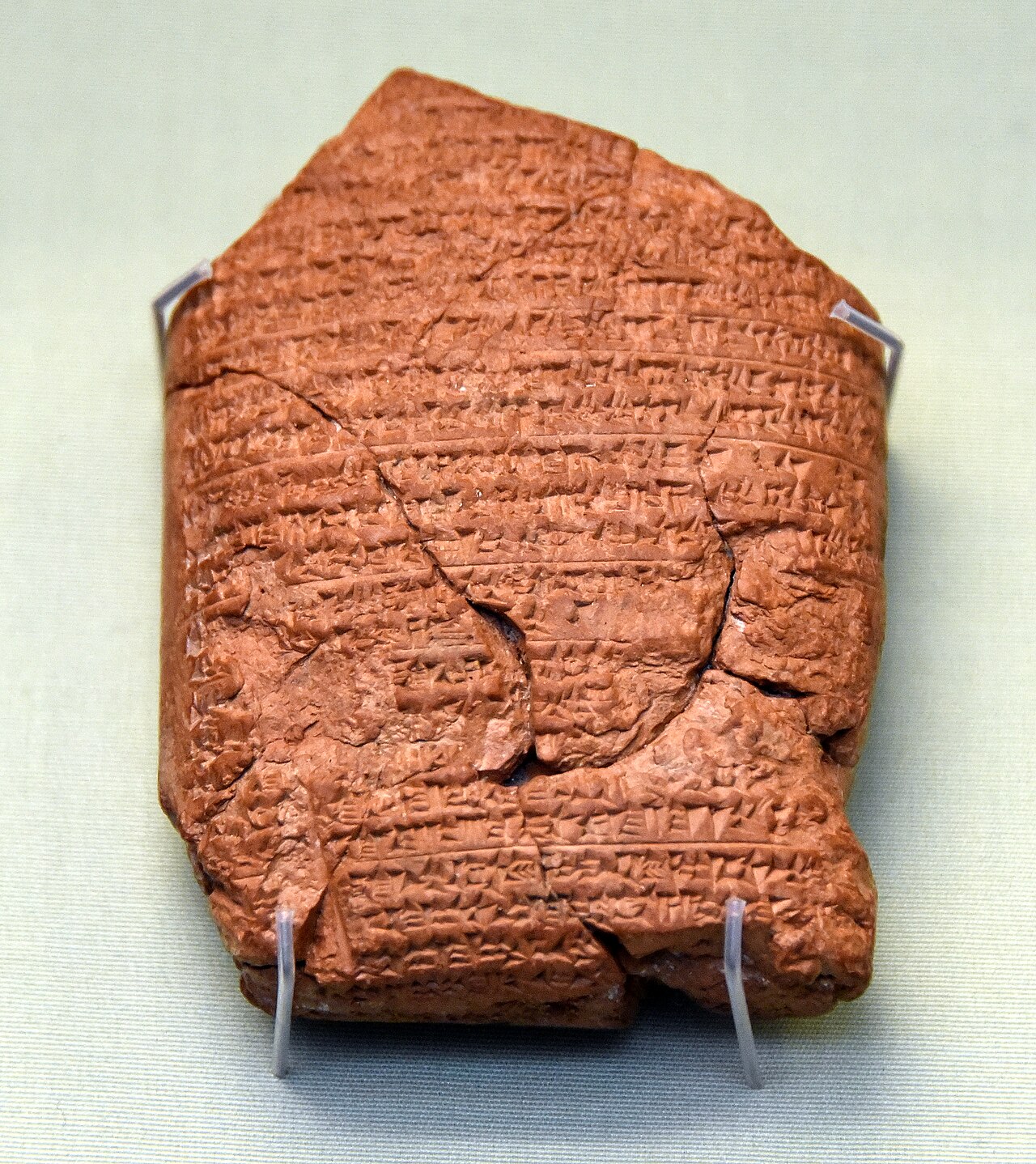
The Babylonian Chronicle series records each year of the king’s deeds in terse officialese. The tablet covering Nebuchadnezzar’s early years (British Museum, BM 21946) reaches his seventh year and reports, in its entirety for that year, a campaign to the west:
“In the seventh year, the month of Kislev, the king of Akkad mustered his troops, marched to Hatti-land, and encamped against the city of Judah, and on the second day of the month of Adar he seized the city and captured the king. He appointed there a king of his own choice, received its heavy tribute, and sent [them] to Babylon.”
— Babylonian Chronicle, BM 21946 (“Jerusalem Chronicle”), trans. after Wiseman/Grayson
Now set that beside 2 Kings 24:10–17. Nebuchadnezzar comes against Jerusalem. The young king Jehoiachin surrenders (“the king was captured”). The treasure of the house of the LORD and the king’s house is carried off (“its heavy tribute”). And Babylon “made Mattaniah his father’s brother king in his stead, and changed his name to Zedekiah” (“appointed there a king of his own choice”). Every clause of that sentence matches. And the chronicle adds what no biblical author could: the date. The second of Adar in Nebuchadnezzar’s seventh year converts to March 16, 597 BC. We know the day of the week the kingdom of Judah first fell (it was a Saturday). The chronicle series pins down other dates too. It fixes the battle of Carchemish to 605 BC — Jeremiah 46:2 dates it identically, by Jehoiakim’s fourth year. And it records the drawn, bloody Babylon–Egypt battle of 601 BC, which explains why Jehoiakim chose that moment to rebel (2 Kings 24:1). The surviving chronicle tablets break off before 586, so the final destruction has no Babylonian narration. But by then, the pattern of agreement is established.
The Last Days, In Judah’s Own Handwriting
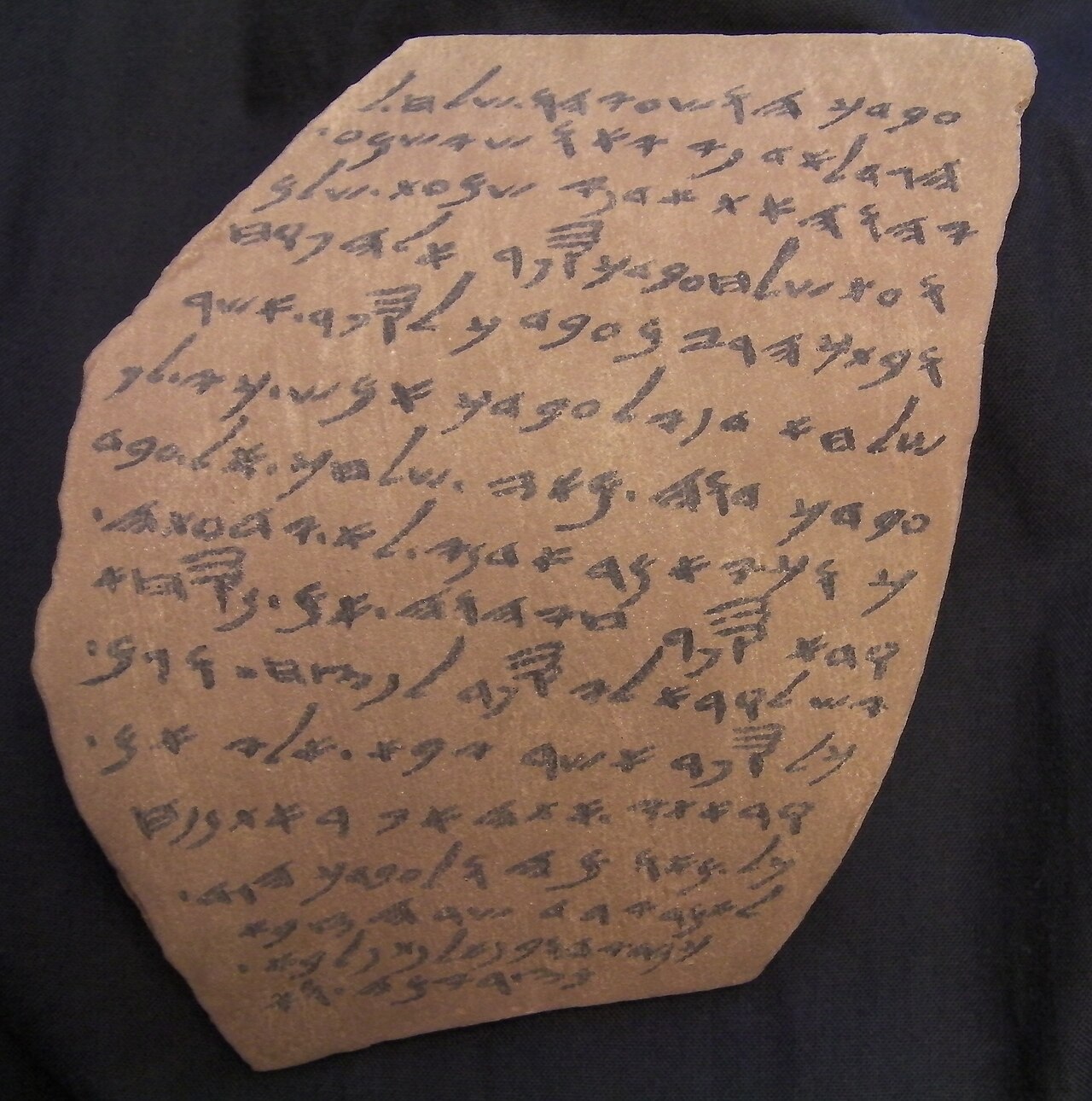
From the Judahite side of the trenches come the Lachish letters. These are ostraca (messages written in ink on broken pottery), excavated in the burned gate-chamber of Lachish, Judah’s great southwestern fortress. They were written during Nebuchadnezzar’s final invasion. In Letter 4, an officer at an outpost reports to his commander: “we are watching for the fire-signals of Lachish… for we cannot see Azekah.” Jeremiah 34:7 freezes the same moment from inside Jerusalem: the Babylonian army fighting “against Lachish, and against Azekah: for these defenced cities remained of the cities of Judah” (Jeremiah 34:7). In the letter, Azekah’s signal has already gone dark. Another ostracon complains of a prophet whose words “weaken the hands” of the people. That is the very charge Jerusalem’s officers laid against Jeremiah — in nearly the same Hebrew idiom (Jeremiah 38:4).
Archaeology in Jerusalem itself has added the officials. Among the bullae (clay seal impressions) excavated in the City of David’s burned debris is one reading “belonging to Gemaryahu son of Shaphan”. That matches “Gemariah the son of Shaphan the scribe,” in whose temple chamber Baruch read Jeremiah’s scroll aloud (Jeremiah 36:10). Excavations in the same quarter have yielded bullae of Jehucal son of Shelemiah and Gedaliah son of Pashur, the pair named side by side among Jeremiah’s adversaries (Jeremiah 38:1). These are the fingerprints of the book of Jeremiah’s minor characters — literally, in some cases, preserved in the clay.
The official on the tax receipt
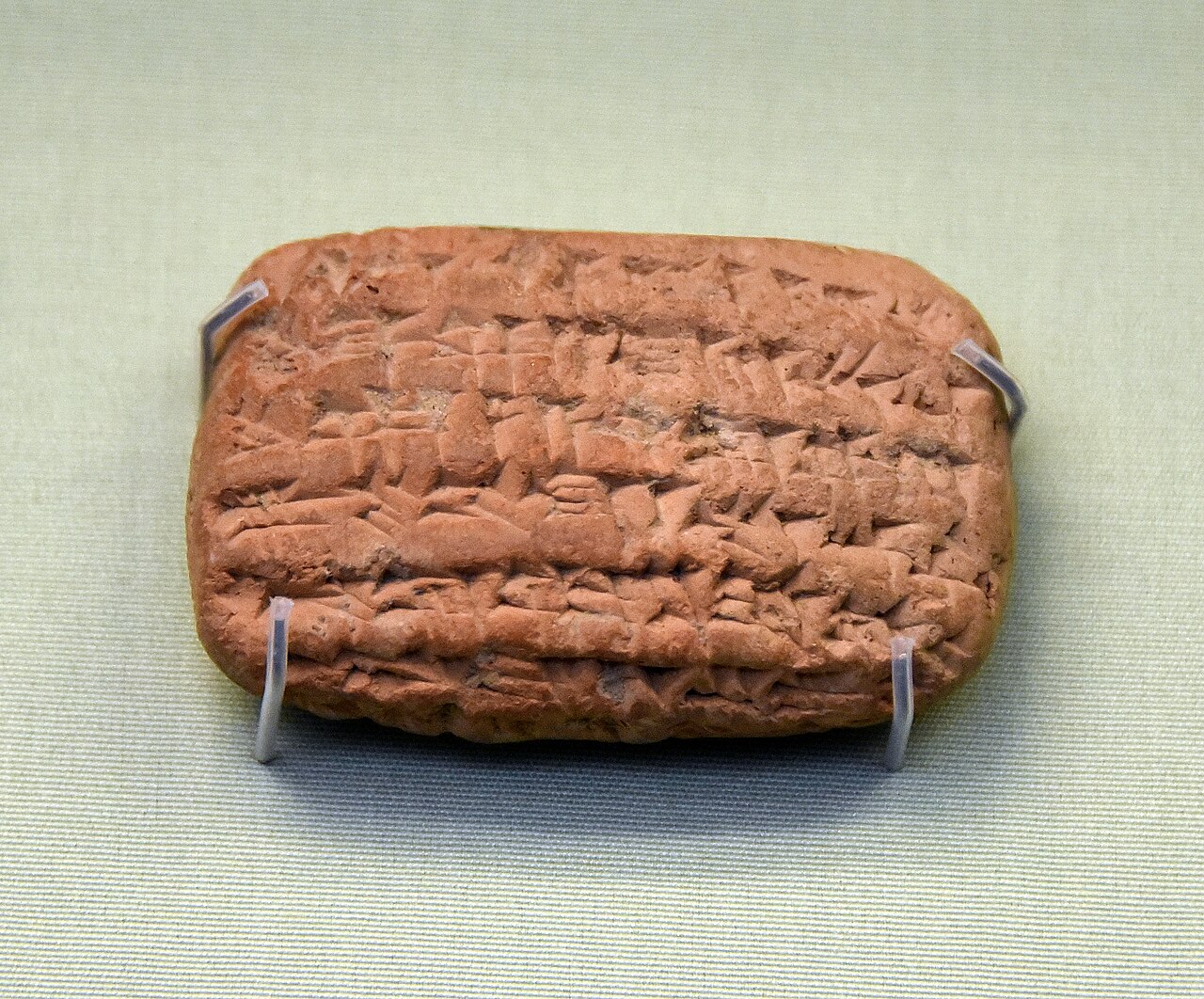
The most delightful confirmation is the most recent. Jeremiah 39:3 lists the Babylonian officials who “sat in the middle gate” of captured Jerusalem: a roster of odd foreign names long garbled in translation. In 2007, Assyriologist Michael Jursa was reading routine temple receipts in the British Museum when he identified a tablet from 595 BC in which one Nabu-šarrussu-ukīn, chief eunuch (rab ša-rēši), donates gold to the Esagila temple. Here is why that matters for Jeremiah’s garbled roster: ancient Hebrew was written without vowels, and the breaks between words could be misread, so a long foreign name could get sliced apart in the wrong places. The King James text reads “Samgar-nebo, Sarsechim, Rab-saris” (Jeremiah 39:3); re-divide those consonants and the roster yields Nebo-Sarsechim, the rab saris — same name, same title, the same years, banking at the same temple. A clerk’s receipt for 1.5 minas of gold, filed within a decade of Jerusalem’s fall, preserves a man whom otherwise only Jeremiah remembered. (Neriglissar, the future king, appears in the same verse; see Section 03; and for Jehoiachin’s ration tablets, see Section 07.)
| Biblical statement | External witness |
|---|---|
| Carchemish, Jehoiakim’s 4th year (Jer 46:2) | Babylonian Chronicle: 605 BC, Nebuchadnezzar routs Egypt |
| Jerusalem taken; king captured; Zedekiah installed (2 Kgs 24:10–17) | Chronicle BM 21946: 2 Adar year 7 = March 16, 597 BC |
| Jehoiachin captive but alive in Babylon (2 Kgs 25:27–30) | Palace ration tablets: oil for “Ya’u-kīnu king of Yahudu” and sons |
| Last fortresses Lachish & Azekah (Jer 34:7) | Lachish Letter 4: “we cannot see Azekah” |
| Officials Gemariah, Jehucal, Gedaliah son of Pashur (Jer 36–38) | Their seal impressions, excavated in Jerusalem’s burn layer |
| Nebo-Sarsechim the Rab-saris in Jerusalem’s gate (Jer 39:3) | BM tablet, 595 BC: Nabu-šarrussu-ukīn, chief eunuch (Jursa, 2007) |
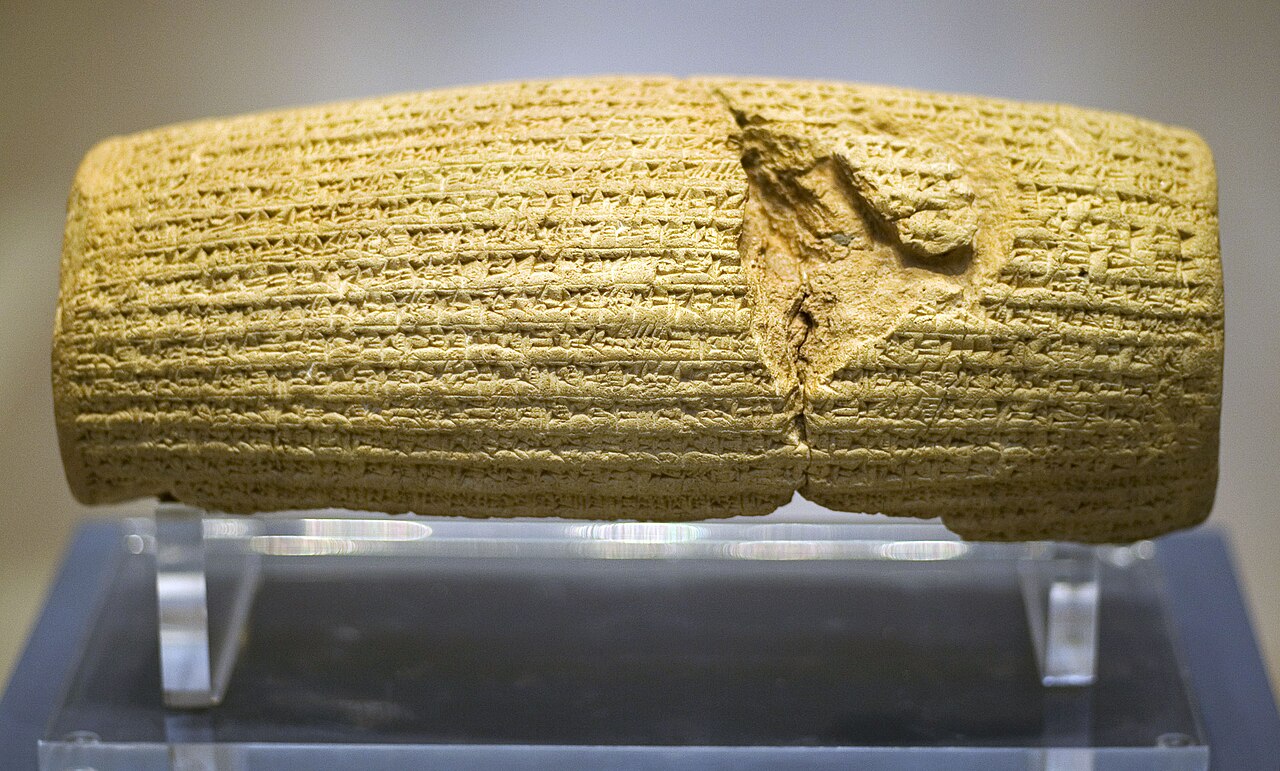
| Belshazzar ruling in Babylon at its fall (Dan 5) | Nabonidus Cylinder & administrative texts: the crown-prince regency |
None of this “proves the Bible” wholesale, and honest study should not claim so. The tablets are silent on prophecy, covenant, and meaning — which are scripture’s actual concerns. What the convergence does establish is that the books of Kings and Jeremiah are, at minimum, superbly informed about the world they describe. They were written from real knowledge of real events, down to the names of middle managers. For readers asked to trust these books’ theological testimony, it matters that wherever their historical testimony can be checked, it checks out.
The Prophets Take On the Empire
But scripture’s deepest engagement with Babylon is not archival — it is prophetic argument, and it runs on two tracks at once:
Babylon as instrument. Habakkuk, watching the Chaldean rise, states the scandal plainly: the LORD himself is “raising up” this “bitter and hasty nation” to judge Judah (Habakkuk 1:6). Then he wrestles, for three chapters, with how a just God can use an unjust empire. Jeremiah makes it policy. Resistance to Babylon is resistance to God’s announced judgment. The yoke must be worn (Jeremiah 27:8). The exile must be invested in (Jeremiah 29:5–7). And the term is fixed: seventy years (25:11–12).
Babylon as defendant. The same prophets then turn and indict the instrument: for pride, for cruelty far beyond its assignment, and for idolatry. Isaiah’s oracles (chapters 13–14, 21, 46–47) give the empire’s fall its enduring poetry. There is the taunt-song over a fallen tyrant (“How art thou fallen from heaven, O Lucifer, son of the morning!” Isaiah 14:12), words so large that later readers heard in them the fall of Satan himself. And there is the watchman’s cry that echoes to the last page of the New Testament: “Babylon is fallen, is fallen” (Isaiah 21:9). Jeremiah 50–51 delivers the full-length verdict, then stages scripture’s most theatrical footnote. The oracle is written in a book. The quartermaster Seraiah carries it to Babylon and reads it aloud by the river. Then it is tied to a stone and sunk in the Euphrates — “Thus shall Babylon sink” (Jeremiah 51:63–64).
Daniel holds the two tracks together in narrative. The empire is real, and God’s people can serve faithfully within it — even rise in it. Yet every chapter ends by putting the empire’s throne in its place beneath a higher one: “the most High ruleth in the kingdom of men” (Daniel 4:17). Nebuchadnezzar’s dream-statue makes Babylon merely the head of a sequence of kingdoms, all of them destined to be crushed by “a stone cut out without hands” that grows to fill the earth (Daniel 2:34–35). Latter-day Saints read that prophecy as reaching to the Restoration and the final triumph of God’s kingdom (D&C 65:2).
From City to Symbol
Because Babylon was the power that burned the temple, it became, permanently, scripture’s name for something larger than itself: organized human pride and worldliness in opposition to God. That thread starts as early as the tower “whose top may reach unto heaven” (Genesis 11:4). By the New Testament era, with the city itself already fading into mounds, “Babylon” could name Rome (1 Peter 5:13). Then the book of Revelation gives the symbol its apocalyptic finale: “Babylon the great” (Revelation 17:5), the world-city of luxury and persecution. Its fall reuses Isaiah’s watchman-cry doubled (Revelation 18:2). Its collapse is mourned by the merchants of the earth, in a lament modeled on the prophets’ dirges. The Restoration inherits the symbol intact. Modern revelation names the world’s way “Babylon, even Babylon the great, which shall fall” (D&C 1:16) and issues the exile’s summons in reverse: “Go ye out from Babylon” (D&C 133:5, 7, 14). Only now it is no longer a change of address. It is a change of heart, made from within any city on earth. (Section 10 follows this thread into Latter-day Saint life; see LDS Connections.)
Sources and Further Reading
- D. J. Wiseman, Chronicles of Chaldaean Kings (626–556 B.C.) (British Museum, 1956) — First publication of BM 21946 and its companions.
- A. K. Grayson, Assyrian and Babylonian Chronicles (J. J. Augustin, 1975) — The standard chronicle editions (the Jerusalem entry is Chronicle 5).
- Michael Jursa, “Nabu-šarrūssu-ukīn, rab ša-rēši, und ‘Nebusarsekim’ (Jer. 39:3),” Nouvelles Assyriologiques Brèves et Utilitaires 2008/1, no. 5 — The identification of Jeremiah’s Nebo-Sarsechim.
- Harry Torczyner (Tur-Sinai), Lachish I: The Lachish Letters (Oxford University Press, 1938) — The original publication of the ostraca.
- Yair Shoham, “Hebrew Bullae,” in D. T. Ariel, ed., Excavations at the City of David 1978–1985, Vol. VI (Qedem 41, 2000) — Includes the excavated Gemaryahu son of Shaphan bulla.
- Oded Lipschits, The Fall and Rise of Jerusalem: Judah under Babylonian Rule (Eisenbrauns, 2005) — Synthesis of the archaeological picture of 586 and after.
- David S. Vanderhooft, The Neo-Babylonian Empire and Babylon in the Latter Prophets (Scholars Press, 1999) — How Jeremiah, Ezekiel, and Isaiah portray the empire.
- John H. Walton, Ancient Near Eastern Thought and the Old Testament (Baker Academic, 2nd ed. 2018) — Method for comparing texts and tablets responsibly.
Online Resources:
- British Museum — the Jerusalem Chronicle (ABC 5)
- Livius.org — ABC 5 in translation
- Biblical Archaeology Society — accessible reporting on the bullae, the Lachish letters, and the Nebo-Sarsekim tablet.