How the Empire Worked
The administrative genius that governed the ancient world’s first superpower
Picture the largest empire the world had ever seen. At its height it held perhaps 30–50 million people — by some estimates a large share of all the people then alive — across a span from the Balkans and Libya to the mountains of Afghanistan. No empire before it had ruled so many peoples, languages, and gods at once. And here is the astonishing part. Not that Persia conquered all this — but that it held it, in relative peace, for two hundred years. The book of Esther captures the scale in its very first sentence: Ahasuerus “reigned, from India even unto Ethiopia, over an hundred and seven and twenty provinces” (Esther 1:1). This page is about the machinery behind that number — and why that machinery was, for Judah, the instrument of restoration.
Satrapies: Governing by Delegation
Persia divided its vast empire into large provinces called satrapies, each governed by a satrap. These governors were often Persian nobles or members of the royal family, with extensive authority within their regions.
Daniel 6 describes a similar arrangement: Darius the Mede appoints 120 officials, with three chief administrators over them and Daniel in a leading role (Daniel 6:1–2). As Timeline & Kings explains, Darius the Mede’s historical identity remains uncertain.
Esther describes 127 provinces in the king’s realm (Esther 1:1). Such figures may reflect smaller districts within larger provinces. Ancient sources count these divisions in different ways, so we should avoid assuming that every use of “province” refers to the same administrative level.1

But here was the genius of the system: balance of power. A satrap governed — but he did not control everything in his province. The regional army commander and the royal treasurer often answered directly to the king, not to the satrap. And traveling royal inspectors — called, evocatively, “the King’s Eyes” — audited the satraps and reported back. Power was deliberately split so no provincial governor could easily become a rival. Where does the Bible fit in? Judah (“Yehud”) was a small sub-province within the larger satrapy of “Beyond the River” (Aramaic Abar-Nahara, the lands west of the Euphrates) — which is exactly the phrase that peppers Ezra’s Persian correspondence (Ezra 5:6, “governor on this side the river”). Nehemiah was appointed the peḥah (governor) of Yehud (Nehemiah 5:14) — a real Persian administrative post, confirmed by seal impressions and coins reading “Yehud” from this period.
The Royal Road and the King’s Post
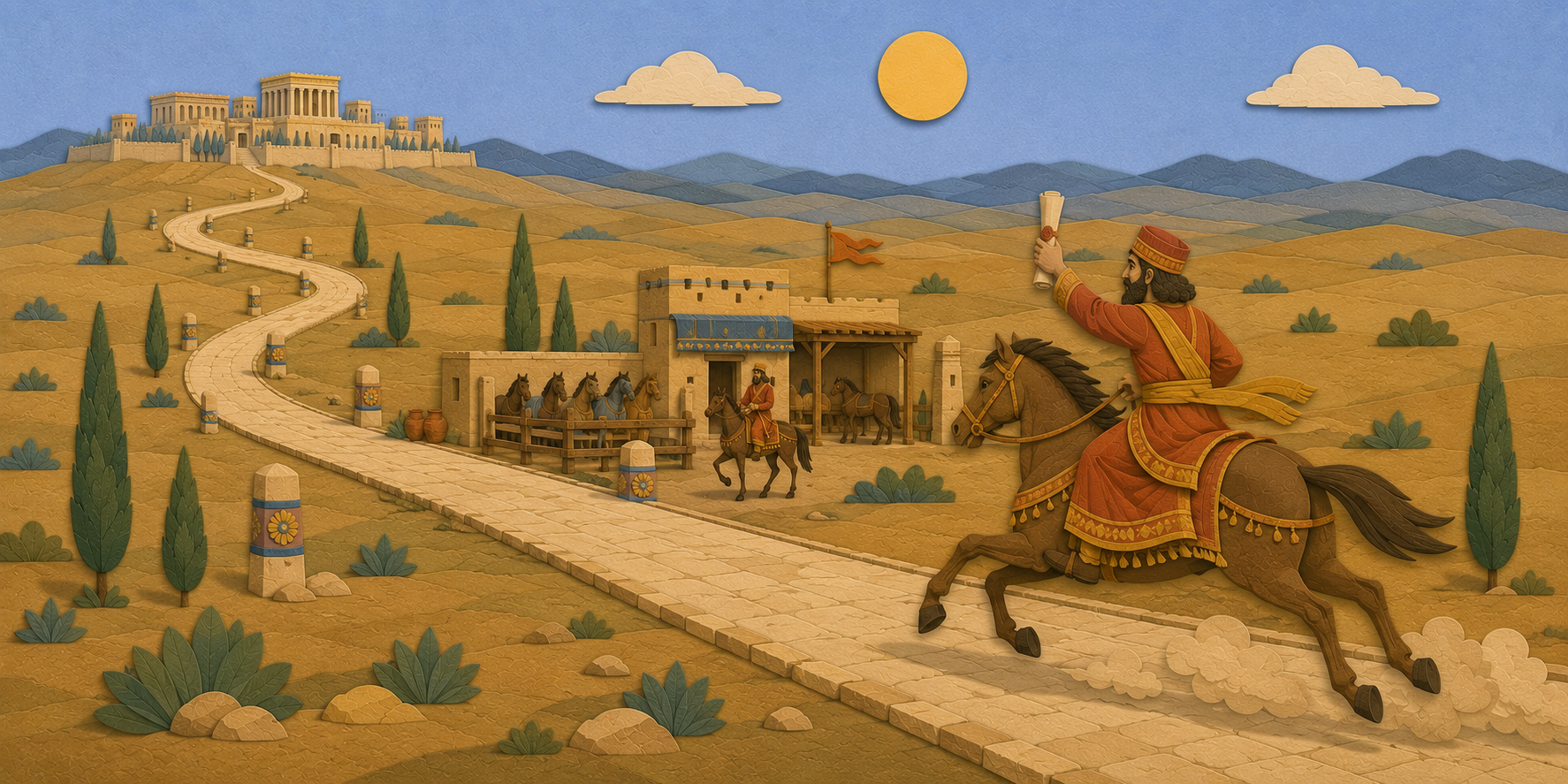
An empire that large lived or died by communication. So Persia built and maintained the Royal Road — a highway running some 2,700 kilometers from Susa in the heartland to Sardis near the Aegean coast, with about 111 posting-stations a day’s ride apart, each stocked with fresh horses and riders. Think about what that meant. A royal courier, riding the relay, could carry a message the length of that road in about nine days. An ordinary traveler needed three months. Herodotus, the Greek historian who traveled the Persian world a generation later, left a famous description of these couriers — that neither snow, nor rain, nor heat, nor darkness stayed them from their rounds. He was describing this Persian postal relay (the line later became the unofficial motto of the U.S. Postal Service).
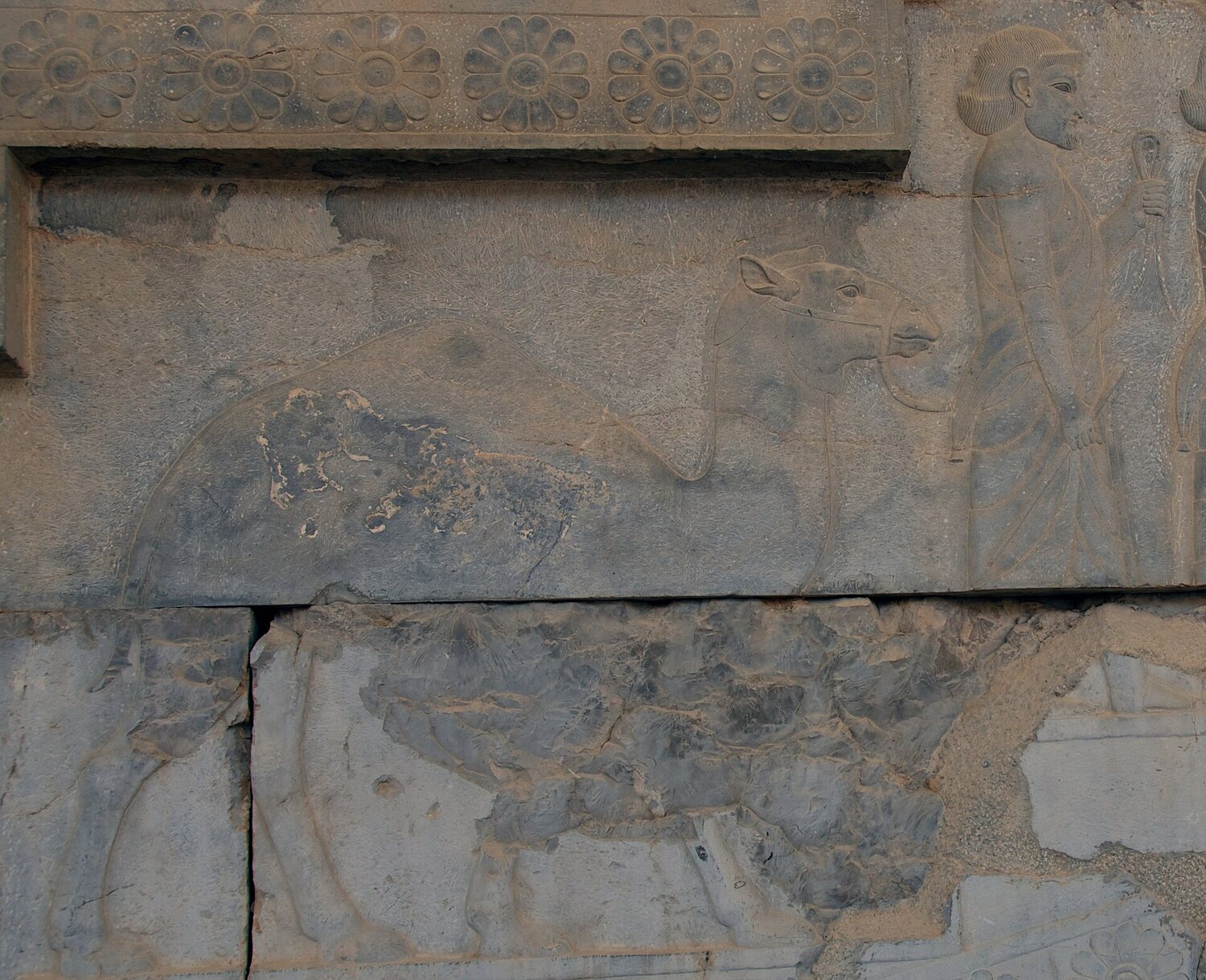
The book of Esther shows this system in motion — twice. When Haman’s decree of destruction goes out, “letters were sent by posts into all the king’s provinces” (Esther 3:13). When the counter-decree of deliverance follows, it is rushed out by couriers “on horseback, and riders on mules, camels, and young dromedaries” (Esther 8:10) — the fast royal post, hastened because lives hung on the speed. The whole plot of Esther turns on the reach and the irrevocability of Persian written orders.
The law that cannot be repealed: here is a peculiar feature of Persian government that echoes through both Esther and Daniel. A royal decree, once sealed, is written “that it be not altered” and “altereth not” (Esther 1:19; Daniel 6:8, “the law of the Medes and Persians, which altereth not”). This is why Ahasuerus cannot simply cancel Haman’s genocide — he can only issue a second decree allowing the Jews to defend themselves (Esther 8:8). And it is why Darius, who loves Daniel, still cannot save him from the lions’ den once the king has signed the order (Daniel 6:14–16). Both books turn on this genuinely Persian legal principle — a small, precise cultural detail their authors clearly knew from the inside.
One Empire, Many Tongues — and Aramaic in the Middle
How do you administer 127 provinces speaking dozens of languages? Imperial Aramaic served as a language of interregional administration and correspondence; other languages were also used for government records. Aramaic was a Semitic language written in a simple 22-letter alphabet with ink on leather and papyrus, and it had already spread across the Near East under Assyria and Babylon (see the Babylon guide). Persia made it official. Decrees, tax records, and correspondence flowed out from the center in Aramaic, and local scribes translated them into local tongues as needed. Old Persian, the kings’ own language, was reserved mostly for grand monumental inscriptions (see Section 08).
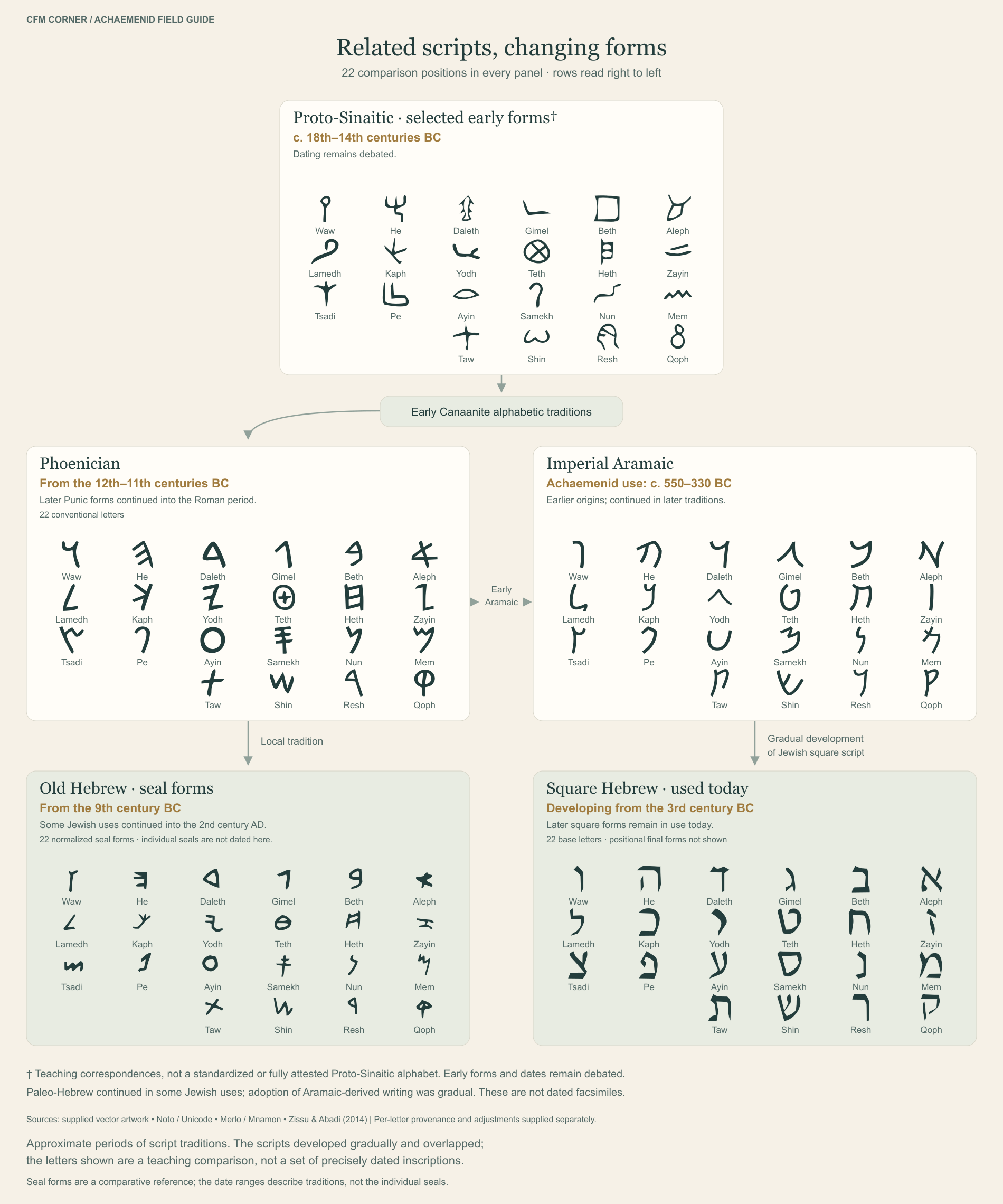
And this is why the books of the return are bilingual: long stretches of Ezra — precisely the parts quoting official Persian correspondence — are written not in Hebrew but in Aramaic (see Section 08). Esther 8:9 spells out the empire’s multilingual reality exactly: the decree was written “unto every province according to the writing thereof, and unto every people after their language”.
The Tolerance Policy — Persia’s Signature
Now for the single most important thing about Persian governance, at least for Bible readers: its religious policy. Where Assyria and Babylon had tried to break subject peoples, Persia chose to work through them — restoring local temples, funding local cults, returning deported gods to their cities, and confirming local law codes. The logic was simple. A king who let you keep your god and your customs was a king you had little reason to rebel against.
Judah was one beneficiary among many — but the policy fell on them like grace. Cyrus did not just free the exiles. He returned the temple vessels Nebuchadnezzar had carried off (Ezra 1:7–11) and ordered the rebuilding funded “out of the king’s house” (Ezra 6:4). Darius later reaffirmed it, adding beasts, wheat, salt, wine, and oil for the temple sacrifices from the royal revenue — on condition that the priests “pray for the life of the king, and of his sons” (Ezra 6:9–10). Artaxerxes did the same for Ezra, sending him with silver, gold, and authority to appoint magistrates and teach the law (Ezra 7:25–26). Persia, in effect, underwrote the restoration of Israelite worship — and got, in return, a small loyal province praying for the king.
Governance meets providence: historians rightly explain Persia’s tolerance as smart imperial strategy — and it was. But the biblical writers see straight through the policy to its Author: “the LORD stirred up the spirit of Cyrus king of Persia” (Ezra 1:1); “the LORD… had turned the heart of the king of Assyria [i.e. Persia] unto them” (Ezra 6:22); Nehemiah’s bold request is granted “according to the good hand of my God upon me” (Nehemiah 2:8). The two explanations are not rivals. Persia acted from policy; the Lord worked through the policy. It is the same pattern the whole Bible teaches about empires — that the Most High “ruleth in the kingdom of men” (Daniel 4:17), bending even the self-interest of kings toward His covenant purposes.
Roads, Coins, and the Machinery of Wealth
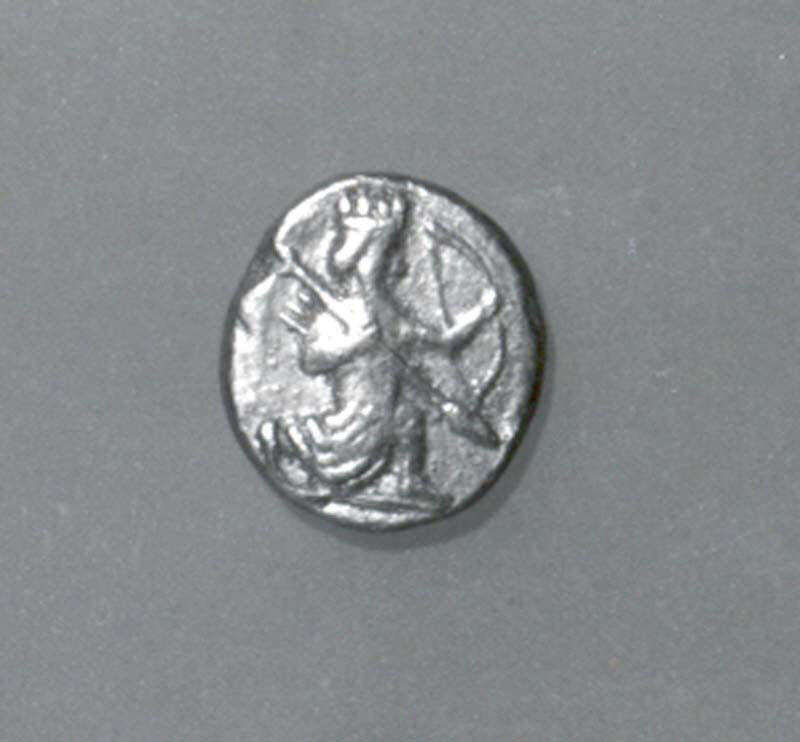
A few more pieces completed the system. Persia standardized coinage — the gold daric and silver siglos, among the first widely trusted imperial coins. The returning community carried and used exactly this kind of money — the “drams” / darics of Ezra 8:27 and Nehemiah 7:70. And a vast, meticulous tax and tribute system gathered the wealth of the provinces to the center (Herodotus preserves the province-by-province assessment).
One last piece of the machinery hides a famous word. A network of royal storehouses and paradises provisioned the court and the army. The paradises were walled royal parks — and their Persian name, pairidaēza, gives us the word “paradise”. Nehemiah taps directly into this infrastructure when he asks Artaxerxes for a letter to “Asaph the keeper of the king’s forest [pardes, the same word], that he may give me timber” for the gates and walls of Jerusalem (Nehemiah 2:8).

Notes
- The title satrap comes from an Iranian expression meaning “protector of the realm.” Esther’s Hebrew medinot means “provinces” or “districts.” Bruno Jacobs discusses the different administrative levels and distinguishes the biblical counts of 120 and 127 from the roughly twenty major divisions in lists preserved by Alexander’s historians. Jacobs, “Achaemenid Satrapies”. ↩
Sources and Further Reading
- Pierre Briant, From Cyrus to Alexander: A History of the Persian Empire (Eisenbrauns, 2002) — The fullest treatment of satrapies, roads, taxation, and administration.
- Amélie Kuhrt, The Persian Empire: A Corpus of Sources (Routledge, 2007) — The administrative documents in translation.
- Lisbeth S. Fried, The Priest and the Great King: Temple-Palace Relations in the Persian Empire (Eisenbrauns, 2004) — How Persia governed subject temples, Jerusalem included.
- H. G. M. Williamson, Ezra, Nehemiah (Word Biblical Commentary, 1985) — On the province of Yehud and the Aramaic documents.
- Herodotus, Histories, Book 3 (the satrapy list) and Book 8 (the royal couriers) — the classic Greek description of the system.
Online Resources:
- WHE — Satrap / Satrapy (CC BY-NC-SA 4.0)
- Livius.org — The Persian Royal Road