“I Will Make an Instrument of Thee”
- CFMCorner
- Jul 3, 2024
- 31 min read Updated: Apr 1, 2025
CFM: July 1–7
Alma 17–22
Videos, Podcasts, & Weekly Lesson Material
Media
Lesson Extension
Scripture Central
Alma 17-22
Follow Him
Alma 17-22
Transcripts
Line Upon Line
Alma 17-22
Teaching with Power
Alma 17-22
Don't Miss This
Alma 17-22
Book of Mormon Matters with John W Welch and Lynne Hilton Wilson
Alma 17-22
Unshaken
Alma 17-22
The Interpreter Foundation
Alma 17-22
Teaching Helps with John Hilton
Alma 17-22
Scripture Gems
Alma 17-22
Come Follow Up
Alma 17-22
The Scriptures Are Real
Alma 17-22
Latter Day Kids
Alma 17-22
Scripture Explorers
Alma 17-22
Alma 17-22
Talking Scripture
Alma 17-22
Saving Talents: Devotionals & FHE for Children
Alma 17-22
Grounded with Barbara Morgan
Alma 17-22
Our Mothers Knew It
Alma 17-22
Hurricane Utah Adult Religion Class, Book of Mormon
The Lamanite Mission of the Sons of Mosiah
Resources and Insights for this Week's Lesson
The Book of Mormon: A Cultural and Religious Dialogue
In the chapters we study this week, we are likely observing events that occurred during two Israelite feast observances. Notice that Alma 19:9 refers to a specific “appointed feast” (hag moed) that was being observed among the Lamanites. When reading the Book of Mormon, one must remember that the Nephites and Lamanites were Jewish. Therefore, the better one understands Jewish culture and tradition, the better one will be able to understand the Book of Mormon as it was intended to be understood by those who wrote it.
Even though the Lamanites did not have the brass plates and deviated from many of the Nephites' religious traditions and beliefs, we read that they still had synagogues and believed in a “Great Spirit” that guided their fathers out of Jerusalem. The segments and themes that we explore this week indicate that while many things had changed, there were some traditions they still held on to, such as observing the traditional feast days that were part of the ancient Israelite traditions, at least to some extent.
Based on the context of these passages, it appears that the Lamanites may have been observing the feast of Shavuot in Alma 18 and 19 during the events surrounding the conversion of King Lamoni and his wife. The themes of conversion and the outpouring of Spiritual Gifts, including the gift of tongues, healing, and other types of divine revelation, are highlighted in these chapters. These themes align with the fundamental principles pertaining to the Feast Day of Shavuot. Later, the thematic elements in the story of the conversion of Lamoni's father suggest that these events may have occurred around the feast of Tabernacles, a time associated with prophecies pertaining to the last days. However, we will only have time to discuss Shavuot in this week's material.
Let us explore some of the potential parallels.
Introduction to Shavuot
Shavuot, also known as the Feast of Weeks or Pentecost, is one of the three major pilgrimage festivals in Judaism. The name “Shavuot” literally means “sevens” or “weeks,” as it is celebrated seven weeks after Passover. This marks the conclusion of the counting of the Omer, a period of 49 days beginning on the second night of Passover.
In the New Testament, Shavuot is referred to as Pentecost, which literally means “fiftieth” in Greek, comparable to the 7x7 plus 1 of the Jewish tradition. Shavuot traditionally marked the season when the wheat harvest was gathered and brought to the Tabernacle or Temple. Following the Savior's ascension, it was on Shavuot that the apostles received the Holy Ghost, the second Comforter (παράκλητος paráklētos) that was promised by the Savior in John 14-16. On this day of Pentecost, the apostles and many others from different nationalities and cultural backgrounds experienced a mighty outpouring of the Holy Ghost, which is described in Acts 2. This experience included the ability to speak in tongues, the gift of prophecy, the gift of healing, and multiple conversions, in addition to other spiritual manifestations. This day of Pentecost was so profound that it became recognized among the early Christians as the formal anniversary of the Christian Faith because it signified the beginning of the apostolic public ministry and the widespread dissemination of Jesus' teachings among multiple cultures and communities.
Historically, Shavuot commemorated the giving of the Torah at Mount Sinai, which was celebrated by the annual wheat harvest offering. The festival held dual significance as it celebrated the divine revelation of the Torah and the abundance of God's agricultural bounty. This harvest theme is referenced many times throughout the Book of Mormon and Doctrine & Covenants, particularly during Alma and the Sons of Mosiah's missions. Look for it, and you will see it frequently.
Shavuot also shares several thematic elements with Christ's Sermon on the Mount. While the New Testament does not provide a specific date for this sermon, some scholars and theologians believe there may be an inherent connection due to the significant thematic parallels between Jesus' teachings about the higher Law on the Mount of Beatitudes and Moses' foundational teaching of the Torah (the “Law”) on Mount Sinai.
Additionally, it is highly likely that Christ appeared to the Nephites on Shavuot. This would have occurred shortly after His ascension, following the 40-day period that he spent with his apostles in Jerusalem. This would explain why there was such a large gathering at the Temple in Bountiful when Christ appeared. Faithful Nephites would have gathered at the Temple to observe the feast day as part of their annual religious tradition. In His message to the Nephites, the Savior drew heavily from the Shavuot themes that He taught in His Sermon on the Mount, presenting a higher interpretation of the Law that was initially presented by Moses. The Timing of Christ’s Appearance to the Nephites, Shavuot, and the Temple Endowment, The Temple Context and Unity of the Sermon at the Temple
Historical Context and Observance in Jewish Tradition and Ancient Israel
Traditions and Themes associated with Shavuot
Torah Study: In later Jewish tradition, all-night Torah study sessions, known as Tikkun Leil Shavuot, became customary to commemorate the anticipation of receiving the Torah. This practice reminds the student that the early Israelites were physically and spiritually asleep when Moses presented them with the Torah after descending from Mount Sinai the first and second time. Tikkun Leil Shavuot reminds students to learn from the past and to rectify our forefathers' mistakes so we can be prepared and awake to receive the full blessings of God's Law and Revelation. Even though this practice did not come until later in Jewish history, there are many parallels one can observe in the conversion of Limhi and his Queen, who woke from their spiritual slumber, becoming converted to God's Law, thereby establishing a new path forward for the Lamanite nation.
Reading the Book of Ruth: Ruth's story is traditionally read during Shavuot services, reflecting themes of conversion, loyalty, and divine providence.
Dairy Foods: Consuming dairy foods symbolizes the “land flowing with milk and honey” and the purity, nourishment, and sweetness of the Torah.
Decorating with Greenery: Homes and synagogues are adorned with greenery and flowers, reminiscent of Mount Sinai.
Offering Bikkurim: Though the Jewish Temple no longer stands, the principle of offering first fruits is observed through acts of charity and generosity.
Shavuot Themes demonstrated in Alma 18
The narrative in Alma 18 of the Book of Mormon mirrors several themes of Shavuot, particularly those of conversion, the outpouring of Spiritual gifts, divine revelation, and cultural unification.
Divine Revelation and Theophany: Shavuot commemorates the revelation of the Torah at Mount Sinai when Moses descended with the second set of stone tablets that outlined the commandments and the Torah, “the Law,” written by the finger of the Lord. In Alma 18, King Lamoni experiences a profound theophany, a direct encounter with the divine, leading to his spiritual awakening and conversion. This parallels the Israelites’ encounter with God at Sinai, highlighting the transformative power of divine revelation.
Spiritual Outpouring and Renewal: Shavuot is associated with the outpouring of the Holy Spirit. In Alma 18, Lamoni’s experience is marked by the “Great Spirit’s” influence, leading to his conversion and understanding of God’s truth. This spiritual renewal and transformational theme is central to both Shavuot and Alma 18.
Acceptance of Divine Law: Shavuot marks the Israelites' acceptance of the Torah. Similarly, Lamoni’s conversion signifies his acceptance of God’s teachings as taught by Ammon and the restoration of the Law being taught among the Lamanites. This acceptance transforms his life and his people’s lives, mirroring the impact of the Torah on the Israelites.
Community and Unity: Shavuot emphasizes community and unity as the Israelites gathered to receive the Torah. In Alma 18, Lamoni’s conversion leads to a communal spiritual revival, bringing unity and collective faith to his people.
Women Celebrated During Shavuot and Parallels in Alma 18
Shavuot is traditionally associated with Ruth and Naomi, two remarkable women whose lives reflect themes of conversion, loyalty, faith, and divine foresight. Similarly, Alma 18 in the Book of Mormon highlights the faith and actions of King Lamoni's wife and the servant girl, Abish. These women play crucial roles in their respective narratives, showcasing their strength, faith, and significant impact on their communities.
Ruth and Naomi
Ruth, a Moabite widow, displays remarkable loyalty to her Israelite mother-in-law, Naomi. She chooses to stay with her and adopt Naomi's people and God as her own, declaring, “Where you go, I will go, and where you stay, I will stay. Your people will be my people and your God my God” (Ruth 1:16). Despite the grief she experienced in losing her husband, Naomi maintains her faith in God and encourages Ruth to seek the protection and provision of Boaz, a kinsman-redeemer. Boaz, whose relationship with Ruth is described by the Hebrew word “go’el” (meaning “kinsman” and “redeemer”), marries Ruth, securing Naomi's future and continuing the Judean lineage that leads to King David and ultimately to Jesus Christ. Boaz's example and role as a redeemer for David's family line foreshadows the coming and necessity of Jesus Christ as the Redeemer of all Israel (see Acts 20:28; 1 Cor. 6:20).
King Lamoni's Wife and Abish
In Alma 18, when King Lamoni falls into a spiritual sleep, his queen demonstrates immense faith by seeking out Ammon, confident in his prophetic role. Ammon reassures her that Lamoni is experiencing a divine encounter, and her faith is rewarded when Lamoni awakens and testifies of his vision. Similarly, Abish, a servant girl who had previously converted to the gospel discreetly, exhibits tremendous courage and faith. Witnessing the king, queen, and others overcome by the Spirit, she, like Ammon, remains composed, understanding exactly what is happening due to her own theophanic experience. Abish not only comprehends the divine event but also recognizes her responsibility to act. She steps forward to assist Ammon, thereby catalyzing the spread of the gospel among the Lamanites. The Throne-Theophany and Prophetic Commission in 1 Nephi: A Form Critical Analysis
These women's experiences highlight that profound spiritual revelations and divine encounters are not limited by gender or political status. The queen’s and Abish’s roles emphasize that women of faith can receive significant theophanic experiences and play pivotal roles in God's plan, mirroring their male counterparts. The faith and actions of Naomi, Ruth, Limhi's queen, and the servant Abish led to widespread conversions, promoting spiritual awakenings, bridging cultural divides, and securing the continuity and future of their lineage.
Just as Ruth’s conversion symbolized the inclusion of Gentiles into Israel's covenant community, Lamoni’s wife’s acceptance of the gospel and Abish’s actions represented the potential for spiritual transformation within the Lamanite communities and beyond. Both narratives underscore the inclusive nature of God's reach and scope. His love and his covenant are not limited to any particular nation, gender, or class. Every person of faith who exercises righteousness can significantly contribute to God's work and their world. (A Plea to My Sisters, President Nelson)
- ### Overview
Alma 17
Alma 17 begins the narrative of Alma's reunion with the sons of Mosiah after fourteen years of missionary service. The chapter focuses on the sons of Mosiah's preparation and dedication as they embark on their mission to teach the Lamanites. It highlights themes of faith, perseverance, divine guidance, and the power of the Spirit in missionary work.
References and Cultural Contexts for Investigation, Contemplation, and Discussion:
Faith and Perseverance: Encourages readers to prepare spiritually through fasting and prayer and to rely on the Spirit in all endeavors.
Service and Humility: Highlights the importance of serving others with humility and dedication, following Christ’s example.
Divine Guidance and Protection: Reassures readers of divine guidance and protection in their righteous pursuits and challenges.
Missionary Work and Divine Guidance: Concept of Harvest. Explore the role of divine guidance in missionary work and personal spiritual journeys.
’With Power and Authority of God’: Principles of Missionary Success
Hebraic Practices in Spiritual Preparation: Discuss the significance of fasting, prayer, and service in Hebraic traditions and their relevance in modern practice.
Courage and Faith in Overcoming Challenges: Reflect on the importance of courage and faith in facing and overcoming life’s challenges, drawing parallels to scriptural examples.
Literary and Linguistic Insights:
Cultural and Geographical Observations:
From Nephi to Zarahemla: The Missionary Journeys of Mosiah's Sons
Major Topics/ Themes
Cross-References, Videos & Resources
Alma 17
Ammon Serves and Teaches King Lamoni | Alma 17–19
Verses 1-9: Reunion of Alma and the Sons of Mosiah
Search the Scriptures Daily -Monson
1-4: Alma encounters the sons of Mosiah, who are filled with joy at seeing him. They had been on a fourteen-year mission to preach the gospel to the Lamanites.
Joyful Reunion
Shared Joy: The reunion emphasizes the joy and camaraderie among faithful servants of God.
Missionary Dedication: Highlights the long-term commitment and dedication of the sons of Mosiah in spreading the gospel.
Deep Dive into ONE VERSE (Alma 17:1) with Rabbi Joe Charnes | Come Follow Me Study
5-9: Alma and the sons of Mosiah recount their experiences, including their trials, faith, and successes in their missionary efforts. The sons of Mosiah had been strengthened by the Spirit and had brought many Lamanites to the knowledge of the truth.
Missionary Experiences
Trials and Successes: Describes the hardships and successes faced during their missions.
Spiritual Strength: Emphasizes the role of the Spirit in guiding and strengthening missionaries.
Flashback Sequences (Alma 17–27)
Verses 10-19: Preparation for Missionary Work
10-12: The sons of Mosiah and their companions had prepared themselves through much fasting and prayer, seeking the guidance and strength of the Lord.
Spiritual Preparation
Fasting and Prayer: Highlights the importance of spiritual preparation through fasting and prayer.
Seeking Guidance: Emphasizes the need for divine guidance in undertaking missionary work.
13-19: The narrative details their journey into Lamanite territory. They encounter various dangers and challenges but are continually guided and protected by the Lord.
Journey into Lamanite Territory
Facing Dangers: Describes the challenges and dangers faced while traveling among the Lamanites.
Divine Protection: Emphasizes the Lord’s protection and guidance during their journey.
Verses 20-39: Ammon’s Mission Among the Lamanites
20-25: Ammon, one of the sons of Mosiah, chooses to go to the land of Ishmael. He is captured and brought before King Lamoni, who initially intends to imprison him.
Encounter with King Lamoni
Ammon’s Captivity: Ammon’s capture and presentation before King Lamoni sets the stage for his mission.
Divine Confidence: Ammon’s calmness and confidence reflect his faith in divine support.
How Does the Book of Mormon Use an Ancient Storytelling Technique?
26-29: Ammon offers to serve King Lamoni as a servant. He is assigned to tend the flocks, during which he encounters a group of Lamanite robbers attempting to scatter the flocks.
Ammon’s Service
Willing Service: Ammon’s willingness to serve reflects Christ-like humility and dedication.
Confrontation with Robbers: His encounter with the robbers highlights his courage and reliance on divine strength.
30-39: Ammon, empowered by the Spirit, defends the flocks, impressing King Lamoni and his servants. This act of bravery and divine power leads to further opportunities to teach the gospel.
Divine Empowerment
Defending the Flocks: Ammon’s actions demonstrate the power of faith and the Spirit in overcoming challenges.
Opening Doors for Teaching: His bravery and divine assistance gain the respect and curiosity of the Lamanites, paving the way for missionary work.
Overview
Alma 18
Alma 18 focuses on the events following Ammon's impressive defense of King Lamoni's flocks and his subsequent interactions with King Lamoni. This chapter highlights themes of spiritual outpouring, divine manifestations, and the powerful witness of the Holy Spirit. Drawing parallels with Hebraic customs, particularly the Feast of Shavuot (Pentecost), this chapter emphasizes the importance of recognizing and trusting in divine experiences. The chapter demonstrates themes of spiritual renewal, the gift of tongues, and throne theophany, affirming the power of direct revelation available to all individuals. It underscores each person's crucial role in the spiritual narrative, regardless of gender or political station.
References and Cultural Contexts for Investigation, Contemplation, and Discussion:
Parallels with Feast of Shavuot (Pentecost): The themes of spiritual outpouring and divine manifestation in Alma 18 parallel the Feast of Shavuot, which celebrates the giving of the Law and the outpouring of the Spirit. The gift of tongues and spiritual renewal are central to both events.
Synagogues and Great Spirit: The reference to synagogues among the Lamanites indicates a form of organized worship. The belief in the Great Spirit shows a recognition of a higher power, setting the stage for Lamoni’s spiritual experience.
Recognition of Divine Encounters: Encourages readers to recognize and trust in divine encounters and spiritual experiences.
Divine Revelation and Theophany in Scripture: The chapter highlights the significance of divine encounters, where individuals, regardless of gender, can experience profound spiritual revelations. This is illustrated by King Lamoni’s theophany and the similar experiences of Limhi's queen and Abish.
Theosis in the Book of Mormon: The Work and Glory of the Father, Mother and Son, and Holy Ghost
Spiritual Outpouring and Renewal: Lamoni’s spiritual awakening and the subsequent conversion of his household and kingdom mirror the outpouring of the Holy Spirit during Shavuot, emphasizing renewal and transformation through divine influence.
Inclusivity of Divine Experiences: The narrative underscores that theophanic experiences are not limited to men. The queen’s and Abish’s roles demonstrate that women can also receive divine manifestations and play crucial parts in the spiritual narrative.
Faith and Conversion: The faith of Lamoni’s queen and her pivotal role in seeking Ammon’s help, along with Lamoni’s conversion, highlight the transformative power of faith and the importance of sincere spiritual inquiry.
Power of Testimony: Highlights the transformative power of personal testimony and spiritual witness.
Faith in Divine Power: Reinforces the importance of faith in divine power and the guidance of the Holy Spirit.
Literary and Linguistic Observations:
The Book of Alma as a Prototype for Teaching the Word of God
Cultural and Geographical Insights:
What is the Nature and Use of Chariots in the Book of Mormon?
Major Topics/ Themes
Cross-References, Videos & Resources
Alma 18
Ammon Serves and Teaches King Lamoni | Alma 17–19
Verses 1-10: King Lamoni's Curiosity and Ammon's Service
1-4: King Lamoni hears about Ammon’s miraculous defense of the flocks and becomes curious about his power and origins. He summons Ammon to learn more about him.
Curiosity and Inquiry
Miraculous Acts: Lamoni’s curiosity is piqued by Ammon’s extraordinary deeds.
Summoning Ammon: Indicates the king’s desire to understand the source of Ammon’s power.
5-10: Ammon, now a trusted servant, is brought before the king. Lamoni’s initial fear turns to curiosity, and he begins to inquire about Ammon’s background and intentions.
From Fear to Curiosity
Transition of Emotions: Lamoni’s fear is replaced by a sincere desire to understand Ammon.
Dialogue Begins: Sets the stage for a significant spiritual discussion.
What is the Nature and Use of Chariots in the Book of Mormon?
Verses 11-16: Spiritual Outpouring and Theophany
Ammon Teaches King Lamoni -Elder Eyring
11-13: Ammon perceives the king’s interest and begins to explain the gospel, starting with the creation and the existence of God. His words are accompanied by the power of the Spirit.
Spiritual Outpouring
Gospel Teaching: Ammon starts his teaching with fundamental doctrines.
Power of the Spirit: The spiritual outpouring is evident as Ammon speaks with divine authority.
14-16: King Lamoni experiences a profound spiritual awakening. He is overcome by the Spirit, falls to the ground as if dead, and remains in this state for several days.
Throne Theophany
Spiritual Awakening: Lamoni’s experience is akin to a theophany, a direct encounter with the divine.
Parallels with Shavuot: The themes of spiritual outpouring and divine manifestation parallel the Feast of Shavuot, which celebrates the giving of the Law and the outpouring of the Spirit.
Verses 17-23: The Queen’s Faith and Ammon’s Confidence
17-18: The queen, deeply concerned for her husband, seeks Ammon’s help. She believes that Ammon can help her understand what has happened to Lamoni.
The Queen’s Faith
Seeking Help: The queen’s faith in Ammon’s abilities reflects her hope and desperation.
Confidence in Ammon: She trusts that Ammon can provide answers and assistance.
19-23: Ammon reassures the queen, explaining that Lamoni is not dead but has had a spiritual experience. He draws parallels with similar experiences, showing his understanding and confidence.
Ammon’s Confidence and Understanding
Reassurance: Ammon’s calm explanation reassures the queen.
Understanding Theophany: Ammon recognizes the theophany, similar to experiences he has observed with Alma.
Verses 24-35: Lamoni’s Revival and Conversion
Sharing the Gospel -Ballard
24-27: Lamoni awakens, filled with the Spirit. He testifies of his vision, proclaiming the reality of God and the truth of Ammon’s teachings.
Revival and Testimony
Lamoni’s Awakening: His revival is marked by a powerful testimony.
Proclamation of Truth: Lamoni’s declaration reinforces the divine nature of his experience.
28-35: Lamoni’s conversion leads to the conversion of his household and many in his kingdom. The outpouring of the Spirit results in widespread acceptance of the gospel.
Widespread Conversion
Household Conversion: Lamoni’s entire household embraces the gospel.
Kingdom-wide Acceptance: The Spirit’s influence extends throughout the kingdom, leading to many conversions.
Overview
Alma 19
Alma 19 continues the narrative of King Lamoni’s spiritual awakening and conversion, focusing on the responses of his household and the subsequent widespread conversion among the Lamanites. This chapter highlights themes of faith, divine intervention, the inclusivity of theophanic experiences, and the transformative power of the gospel.
References and Cultural Contexts for Investigation, Contemplation, and Discussion:
The Queen’s Testimony: The queen’s testimony after her revival is a powerful witness to the people.
Widespread Conversion: The miraculous events lead to significant conversions.
Peace and Joy: The chapter ends with peace and joy, highlighting the gospel's transformative power.
Faith and Divine Power & Intervention: The chapter emphasizes the role of faith in facilitating divine intervention and spiritual experiences.
Inclusivity of Theophanic Experiences: Both the queen and Abish experience profound spiritual manifestations. This section affirms that profound spiritual experiences are available to all, regardless of gender, and that everyone can play a significant role in God’s plan.
People to Whom Jesus Christ or the Angel of the Lord Appeared
Transformative Power of the Gospel: The widespread conversions and the resultant peace and joy underscore the gospel's transformative impact on individuals and communities.
Role of Women in Spiritual Narratives: The active roles of the queen and Abish in this chapter emphasize the significant contributions of women in spiritual narratives and their capacity to influence and inspire faith. It recognizes and celebrates these contributions and encourages the acknowledgment of their roles in modern faith communities.
Women in the Book of Mormon -Bowen, Donna Lee, and Camille S. Williams
Women in the Book of Mormon -Welch, John W., and Greg Welch
Literary and Linguistic Observations:
Reading Competency in the Book of Mormon: Abish and Other Model Readers
“Father is a Man: The Remarkable Mention of the name Abish in Alma 19:16 and Its Narrative Context
Book of Mormon Names Attested in Ancient Hebrew Inscriptions
Cultural and Geographic Insights:
’Stretch Forth Thy Hand and Prophesy’: Hand Gestures in the Book of Mormon
Major Topics/ Themes
Cross-References, Videos & Resources
Alma 19
Ammon Serves and Teaches King Lamoni | Alma 17–19
Verses 1-10: The Queen’s Faith and King Lamoni’s Awakening
1-3: After King Lamoni falls into a trance-like state, his wife faithfully watches over him for two days and nights. On the third day, she seeks Ammon’s help, expressing her belief in his spiritual power.
The Queen’s Faith
Watchful Vigil: The queen’s dedication and concern for Lamoni reflect her deep faith and love.
Seeking Divine Help: Her decision to seek Ammon’s assistance shows her belief in his connection to divine power.
4-6: The queen pleads with Ammon to visit the king, convinced that Ammon can bring him back. Ammon reassures her, stating that Lamoni is not dead but is under divine influence.
Reassurance and Confidence
Faith in Ammon: The queen’s trust in Ammon’s abilities is a testament to her faith.
Divine Influence: Ammon explains the spiritual nature of Lamoni’s condition, displaying his understanding of theophanic experiences.
Why Are People Exhausted by Powerful Spiritual Experiences?
7-10: Ammon tells the queen to believe in Lamoni’s revival. She faithfully complies, and Lamoni awakens, testifying of his vision and the reality of God.
Revival and Testimony
Obedient Faith: The queen’s belief and obedience lead to Lamoni’s miraculous revival.
Powerful Testimony: Lamoni’s testimony of his divine vision underscores the authenticity of his spiritual experience.
Verses 11-16: The Queen’s Theophany and Household Conversion
11-13: Overcome by the Spirit, the queen also falls to the ground. Ammon’s joy is great as he witnesses the transformative power of faith and divine intervention.
Queen’s Theophany
Spiritual Outpouring: The queen’s experience mirrors Lamoni’s, highlighting the inclusivity of divine encounters.
Joy in Conversion: Ammon’s joy reflects the profound impact of witnessing genuine spiritual transformations.
14-16: The household of King Lamoni, seeing these events, begins to believe. Ammon, overjoyed, prays for them and teaches them the gospel.
Household Conversion
Influence of Faith: The queen’s and Lamoni’s experiences inspire faith and belief in their household.
Teaching and Prayer: Ammon’s teachings and prayers further the spiritual transformation within the household.
Verses 17-30: Abish’s Role and the Widespread Conversion
17-18: Abish, a servant who had been secretly converted to the gospel, sees the events unfold and seizes the opportunity to gather the people to witness the miracle.
Abish’s Faith and Initiative
Secret Conversion: Abish’s prior conversion showcases the quiet yet powerful impact of individual faith.
Taking Action: Her decision to gather the people demonstrates her initiative and desire to share the gospel.
19-23: The people gather and see the royal household overcome by the Spirit. Some murmur and doubt, while others are amazed. A contention arises among the crowd.
Mixed Reactions
Murmuring and Doubt: Some people express skepticism and disbelief.
Amazement and Contention: Others are amazed, leading to a division and contention among the crowd.
Anger Is an Indication of Weakness -Hinkley
24-30: Abish takes the queen by the hand, and she arises, testifying of her vision. The people are astonished, and many are converted. The narrative concludes with the peace and joy that follow the widespread acceptance of the gospel.
Resolution and Peace
The Queen’s Testimony: The queen’s testimony after her revival is a powerful witness to the people.
Widespread Conversion: The miraculous events lead to a significant number of conversions.
Peace and Joy: The chapter ends on a note of peace and joy, highlighting the transformative power of the gospel.
What Does the Abish Story Signal About the Resurrection?
Verses 31-36: Additional Conversions and Continued Ministry
31: The converted Lamanites testify of the power of God, leading to further conversions among the people.
32: Many people are baptized, and the church begins to grow significantly in the land.
33-34: King Lamoni and his household minister to the people, strengthening their faith and helping to establish the church.
35-36: The chapter concludes with a note on the joy and unity among the new converts, who experience profound peace and transformation through their faith.
Overview
Alma 20
Alma 20 continues the narrative of Ammon's mission among the Lamanites, focusing on his journey with King Lamoni to the land of Middoni and the subsequent rescue of Ammon's brother, Aaron. The chapter highlights themes of following divine direction, exhibiting courage in faith, and persevering in the face of adversity.
References and Cultural Contexts for Investigation, Contemplation, and Discussion:
Divine Guidance: The chapter emphasizes the importance of receiving and following divine direction.
Courage and Loyalty: Lamoni’s support for Ammon and his courage in standing up to his father highlight the power of faith.
The Power of Forgiveness and its Influence: Ammon’s act of forgiveness toward Lamoni’s father illustrates the power of mercy and its impact on others.
Transformation and Redemption: The changes in Lamoni’s father signify the potential for transformation and redemption through the gospel.
Remaining Persistent in the Ministry in the Face of Adversity: The continued efforts of Ammon and his brothers underscore the importance of perseverance in missionary work.
Missionary Work and Perseverance: Reflect on the significance of persistent missionary efforts and the impact of faith-driven service on communities.
Literary and Linguistic Observations:
’If Ye Will Hearken’: Lehi’s Rhetorical Wordplay on Ishmael in 2 Nephi 1:28–29 and Its Implications
Major Topics/ Themes
Cross-References, Videos & Resources
Alma 20
Verses 1-6: Divine Guidance and Change of Plans
1-3: The Lord commands Ammon to go to the land of Middoni to free his imprisoned brothers. Ammon informs King Lamoni of this divine directive.
Divine Guidance
Revelation: Ammon receives specific instructions from the Lord to change his plans and head to Middoni.
Obedience: Ammon’s immediate compliance with the divine command showcases his faith and willingness to follow God’s will.
4-6: King Lamoni offers to accompany Ammon to Middoni and provides support. Along the way, they encounter Lamoni’s father, the king of all the Lamanites.
Support and Alliance
Lamoni’s Loyalty: King Lamoni’s decision to accompany Ammon signifies his loyalty and growing faith.
Unexpected Encounter: The encounter with Lamoni’s father introduces a new conflict and opportunity for further gospel teaching.
Verses 7-15: Confrontation with Lamoni's Father
What Did it Mean to be “King Over All the Land”?
7-10: Lamoni’s father is angry to see Lamoni with Ammon, a Nephite, and demands that Lamoni kill Ammon. When Lamoni refuses, his father attempts to kill him.
Conflict and Courage
Conflict: Lamoni’s father’s anger highlights the deep-seated enmity between the Lamanites and the Nephites.
Courage: Lamoni’s refusal to harm Ammon, even under threat, demonstrates his newfound faith and courage.
11-15: Ammon intervenes, protecting Lamoni and overpowering his father. He spares Lamoni’s father’s life in exchange for the release of his brothers from prison.
Forgiveness and Influence
Protection: Ammon’s intervention showcases his strength and divine protection.
Forgiveness: By sparing Lamoni’s father, Ammon exhibits forgiveness and gains influence, leading to the release of his brothers.
Verses 16-22: Rescue of Aaron and Companions
16-18: Lamoni’s father, moved by Ammon’s actions, grants his request and ensures the release of Aaron and his companions from prison in Middoni.
Compassion and Transformation
Compassion: Lamoni’s father’s decision to free Aaron and his companions reflects a softening of his heart.
Transformation: The events signify the beginning of Lamoni’s father’s transformation and openness to the gospel.
19-22: Ammon, Lamoni, and the freed missionaries return to the land of Ishmael, where they are welcomed with great joy.
Reunification and Joy
Reunification: The successful rescue and return of the missionaries highlight the power of divine intervention and unity.
Joy: The joyful reunion emphasizes the communal support and the strengthening of faith among the believers.
Verses 23-30: Continuing Ministry and Challenges
23-25: Ammon and his brothers continue to teach the gospel among the Lamanites, encountering both acceptance and opposition.
Persistent Ministry
Teaching: The missionaries persist in their efforts to spread the gospel despite challenges.
Acceptance and Opposition: The varied reactions underscore the complexities of missionary work.
26-30: The chapter concludes with a reflection on the missionaries’ perseverance and the ongoing conversion of many Lamanites, despite the obstacles they face.
Perseverance and Impact
Perseverance: The missionaries’ unwavering dedication highlights their commitment to their divine mission.
Impact: The growing number of converts demonstrates the transformative power of the gospel.
Overview
Alma 21
Alma 21 recounts the missionary efforts of Aaron, one of the sons of Mosiah, as he preaches among the Lamanites. The chapter details Aaron's challenges, imprisonment, and eventual success in spreading the gospel. Key themes include perseverance in the face of opposition, the power of testimony, and the gradual spread of the gospel among the Lamanites.
References and Cultural Contexts for Investigation, Contemplation, and Discussion:
Perseverance in Adversity: The chapter highlights the importance of remaining steadfast in faith and mission despite facing severe opposition and hardship.
Alma’s Enemies: The Case of the Lamanites, Amlicites, and Mysterious Amalekites
Missionary Work and Challenges: Explore the challenges faced by missionaries in various historical and cultural contexts and how they overcame them.
Power of Testimony: The transformative power of personal testimony and divine intervention is evident in the conversion of the Lamanite king and his people.
Divine Guidance and Support: The missionaries' rescue and success underscore the critical role of divine guidance and the support of fellow believers in fulfilling their mission.
Impact of High-Profile Conversions: The conversion of influential figures, such as the Lamanite king, demonstrates the potential for significant, widespread impact on entire communities.
Literary and Linguistic Observations:
’If Ye Will Hearken’: Lehi’s Rhetorical Wordplay on Ishmael in 2 Nephi 1:28–29 and Its Implications
Cultural and Geographical Insights:
Nephite Insights into Israelite Worship Practices before the Babylonian Captivity
Major Topics/ Themes
Cross-References, Videos & Resources
Alma 21
Verses 1-8: Aaron’s Mission in the City of Jerusalem
1-3: Aaron and his companions begin preaching in the city of Jerusalem, a Lamanite city named after the ancient city of Jerusalem. They encounter a people who are deeply entrenched in false traditions and idolatry.
Initial Efforts and Opposition
Preaching: Aaron and his companions preach the gospel, focusing on the resurrection and redemption through Jesus Christ.
Opposition: They face significant resistance from the Amalekites and Amulonites, apostate Nephites who hold considerable influence over the Lamanites.
4-8: Aaron and his companions are rejected and forced to leave the city. They then preach in smaller villages with limited success before heading to the land of Middoni.
Persistence Amid Rejection
Rejection in Jerusalem: The strong opposition in Jerusalem forces Aaron to seek more receptive audiences elsewhere.
Continued Efforts: Despite the challenges, they continue to preach in surrounding areas, demonstrating their perseverance.
Verses 9-17: Imprisonment and Rescue
9-10: Aaron and his companions are captured and imprisoned in Middoni. They suffer greatly but remain steadfast in their faith.
Suffering and Steadfastness
Imprisonment: The missionaries face harsh conditions in prison, highlighting the physical and emotional trials of their mission.
Faith and Perseverance: Despite their suffering, Aaron and his companions remain committed to their cause.
11-14: Ammon and Lamoni, guided by divine inspiration, come to Middoni to rescue Aaron and the others. Through the intervention of Lamoni and his father, the missionaries are released.
Divine Guidance and Rescue
Divine Intervention: Lamoni and his father are instrumental in securing the release of the imprisoned missionaries, underscoring the importance of divine guidance and support.
Reunion: The rescue and reunion of the missionaries highlight the solidarity and mutual support among the sons of Mosiah.
Why Did Mormon Include Flashbacks in His Narrative?
Verses 18-23: Continued Preaching and Conversion
15-17: After their release, Aaron and his companions continue their missionary efforts with renewed vigor. They teach the gospel in various regions, focusing on the power of repentance and faith in Jesus Christ.
Renewed Efforts and Teaching
Persistent Preaching: The missionaries continue to preach despite previous hardships, demonstrating their unwavering dedication.
Focus on Core Doctrines: Their teachings emphasize repentance and faith as central to salvation.
Previews and Summaries of Embedded Documents
18-23: Aaron preaches to the king of the Lamanites, who is Lamoni’s father. The king is initially resistant but becomes receptive after a miraculous experience, leading to his conversion and the subsequent conversion of many of his people.
High-Profile Conversion and Impact
King’s Conversion: The conversion of Lamoni’s father represents a significant breakthrough, as his influence leads to widespread acceptance of the gospel among the Lamanites.
Widespread Impact: The king’s conversion catalyzes a broader movement of conversion and spiritual awakening among his people.
Overview
Alma 22
Alma 22 details the powerful conversion of the Lamanite king, Lamoni’s father, through Aaron's teachings. This chapter underscores themes of divine revelation, humility, repentance, and the transformative power of the gospel. The king's conversion led to significant changes in Lamanite society, highlighting the far-reaching impact of faith and leadership.
References and Cultural Contexts for Investigation, Contemplation, and Discussion:
Divine Revelation and Humility: The chapter emphasizes the importance of divine revelation and the need for humility in receiving spiritual truths.
Seeking Spiritual Truth: Encourages readers to seek spiritual truths with humility and an open heart.
Repentance and Transformation: Highlights the transformative power of repentance and faith in Jesus Christ.
Impact of Leadership: Demonstrates how the conversion of a key leader can lead to widespread societal changes and spiritual awakenings.
Religious Freedom: The king’s proclamation of religious freedom underscores the importance of allowing individuals to explore and embrace faith freely.
Linguistic and Literary Observations:
Cultural and Geographical Insights:
Verses in the Book of Mormon with Potential Geographical Relevance
Geographical Names Listed Alphabetically chart 150
Plausible Locations in Mesoamerica for Book of Mormon Places
Major Topics/ Themes
Cross-References, Videos & Resources
Alma 22
Verses 1-7: Aaron Teaches the King
1-3: Aaron and his brethren visit the land of Nephi, where they meet the father of King Lamoni. The king is initially intrigued by their message and asks Aaron to explain more about their faith.
Curiosity and Inquiry
King's Curiosity: The king's interest in Aaron's teachings sets the stage for a significant spiritual discussion.
Open Dialogue: Aaron seizes the opportunity to teach the king about the gospel.
4-7: Aaron teaches the king about the creation, the fall of Adam, and the plan of redemption through Jesus Christ. He explains the necessity of repentance and faith in the Savior for salvation.
Core Gospel Teachings
Plan of Redemption: Aaron outlines the fundamental doctrines of the gospel, including the creation, fall, and redemption.
Necessity of Repentance: Emphasizes the importance of repentance and faith as essential steps toward salvation.
Understanding the Fall -Benson
Verses 8-14: The King’s Spiritual Awakening
8-9: The king is deeply moved by Aaron’s words and desires to know what he must do to obtain eternal life. He offers to give up his entire kingdom in exchange for this knowledge.
Desire for Eternal Life
Deep Conviction: The king’s desire for eternal life shows his sincere quest for spiritual truth and transformation.
Willingness to Sacrifice: His willingness to give up his kingdom underscores the depth of his conversion experience.
10-14: Aaron instructs the king to bow down before God, repent of his sins, and call upon the name of the Lord in faith. The king follows Aaron's counsel and is struck as if dead, overwhelmed by the Spirit.
Humility and Repentance
Act of Humility: The king’s willingness to bow down before God demonstrates his humility and recognition of divine authority.
Spiritual Overwhelm: The king’s physical reaction signifies a profound spiritual transformation and the overpowering presence of the Holy Spirit.
Verses 15-23: The Queen’s Faith and the King’s Revival
15-18: The queen, seeing her husband’s condition, fears he is dead and pleads with Aaron to help. Aaron reassures her and instructs her to have faith. She follows his counsel, and the king revives.
Queen’s Faith and Support
Concern and Fear: The queen’s initial fear reflects her deep concern for her husband.
Faith and Obedience: Her willingness to follow Aaron’s instructions highlights her faith and support.
19-23: The king awakens, filled with the Holy Spirit, and testifies of his vision and the truth of Aaron’s teachings. His testimony leads to the conversion of his entire household.
Revival and Testimony
Spiritual Awakening: The king’s revival and testimony signify a complete spiritual transformation.
Household Conversion: The king’s testimony has a profound impact, leading to the conversion of his entire household.
Verses 24-29: The King’s Proclamation and Societal Impact
24-27: The king issues a proclamation throughout the land, granting religious freedom and protection to Aaron and his brethren. He encourages his people to listen to their teachings and embrace the gospel.
Proclamation of Religious Freedom
Religious Freedom: The king’s proclamation ensures the safety and freedom of the missionaries to preach the gospel.
Encouragement to Embrace the Gospel: The king’s endorsement significantly aids the missionaries’ efforts to spread their message.
28-29: The missionaries continue to preach with great success, leading to widespread conversions among the Lamanites. The gospel’s influence grows, resulting in significant changes in Lamanite society.
Widespread Conversion and Change
Successful Ministry: The missionaries’ efforts lead to a large number of conversions.
Societal Transformation: The acceptance of the gospel brings about significant positive changes in Lamanite society.
Verses 30-35: Expansion of Missionary Efforts
Traditions of Transoceanic Migrations
30: Aaron and his brethren depart from the land of Nephi to preach the gospel in the land of Ishmael.
31-32: They encounter great success, bringing many to the knowledge of the truth, including influential leaders among the Lamanites.
33-34: The newly converted Lamanites build synagogues and places of worship, indicating a structured and organized acceptance of the gospel.
35: The chapter concludes with a note on the joy and unity among the converts, who experience profound peace and transformation through their faith.
Healing and Peace through Restoration & Unity
Why Did Mormon Give So Many Details About Geography?
Church Videos & Resources
Scripture Central
Video Commentary
- Listed above in podcast section
Know Whys
- Listed above in relation to section.
Evidences
- Listed above in relation to section.
Written Commentary
Reading Plan
Structure your personal scripture study by following a 15-minute, day-by-day plan. Each day's assignment includes the required scripture passages from the Come, Follow Me curriculum, as well as suggestions for additional resources to bring context and understanding to your study. For the best experience, use our Reading Plan in the free ScripturePlus app! You can track your progress and have access to the best resources.
Monday
Scripture: Alma 17:1–17
Commentary: Introduction
Commentary: We Can Search the Scriptures to Gain the Spirit of Prophecy and Revelation
Additional Study
Commentary: Mormon Abridges and Inserts Flashback Narratives
Commentary: The Lord’s Blessing on the Sons of Mosiah
Commentary: Alma 17:9-10
Commentary: Alma 17:11-13
Commentary: Alma 17:14-17
KnoWhy: What Does the Book of Mormon Teach about the Priesthood
Evidence: Flashbacks (Alma 17–27)
Tuesday
Scripture: Alma 17:18–39
Commentary: Alma 17:21-24
Additional Study
KnoWhy: Why Did the Servants Present Lamoni with the Arms of His Enemies?
Commentary: Ammon is Captured and Brought before the King
Commentary: Ammon Offers to Be a Servant
Commentary: Alma 17:25-28
Commentary: Alma 17:36-39
Evidence: Attestation of Sebus
Evidence: Slings
Evidence: Ammon and Moses
Wednesday
Scripture: Alma 18:1–43
Commentary: Ammon Teaches Lamoni and His Servants
Additional Study
KnoWhy: What is the Nature and Use of Chariots in the Book of Mormon?
Commentary: Ammon Desires Lamoni to Listen to His Words
Commentary: Alma 18:1-2
Commentary: Alma 18:3-7
Commentary: Alma 18:8-9
Commentary: Alma 18:15-17
Commentary: Alma 18:26-31
Evidence: Great Spirit
Thursday
Scripture: Alma 19:1–36
Commentary: Abish Brings Others to Witness God’s Power
Additional Study
Evidence: “And Behold”
Commentary: Lamoni Falls As If He Were Dead
Commentary: Alma 19:1-5
Commentary: Alma 19:9-11
Commentary: Alma 19:18-20
Commentary: Alma 19:21-23
Commentary: Alma 19:29-32
Friday
Scripture: Alma 20:1–30
Commentary: Lamoni’s Father Draws His Sword to Smite His Son
Additional Study
Commentary: Missionary Work among the Lamanites Continues
Commentary: Alma 20:4-7
Commentary: Alma 20:8-12
Commentary: Alma 20:13-16
Commentary: Alma 20:17-20
Commentary: Alma 20:26-27
Saturday
Scripture: Alma 21:1–23
Commentary: Alma 21:1-3
Additional Study
Evidence: Previews and Summaries
Commentary: Alma 21:4-6
Commentary: Alma 21:11-14
Commentary: Alma 21:15-17
Commentary: Alma 21:18-23
Sunday
Scripture: Alma 22:1–35
Commentary: Alma 22:12-14
Additional Study
Commentary: Lamoni’s Father Desires to Repent
KnoWhy: Why Did Mormon Give So Many Details About Geography?
Commentary: Alma 22:8-11
Commentary: Alma 22:15-17
Commentary: Alma 22:18
Commentary: Alma 22:32
Evidence: Traditions of Ocean Migrations
Maps & Charts
Nephihah as Chief Judge: Years 9–24 of the Reign of the Judges
Nephite Cycles: Years 1–49 of the Reign of the Judges (90–40 B.C.)
From Nephi to Zarahemla: The Missionary Journeys of Mosiah's Sons
Plausible Locations in Mesoamerica for Book of Mormon Places
Names and Concepts Associated with Christ by Major Book of Mormon Authors
Number of Names Used for Christ by Major Book of Mormon Authors
Number of Names for Christ Used Exclusively by Individual Authors
Images
Arnold Friberg
Jorge Cocco
Scott M. Snow
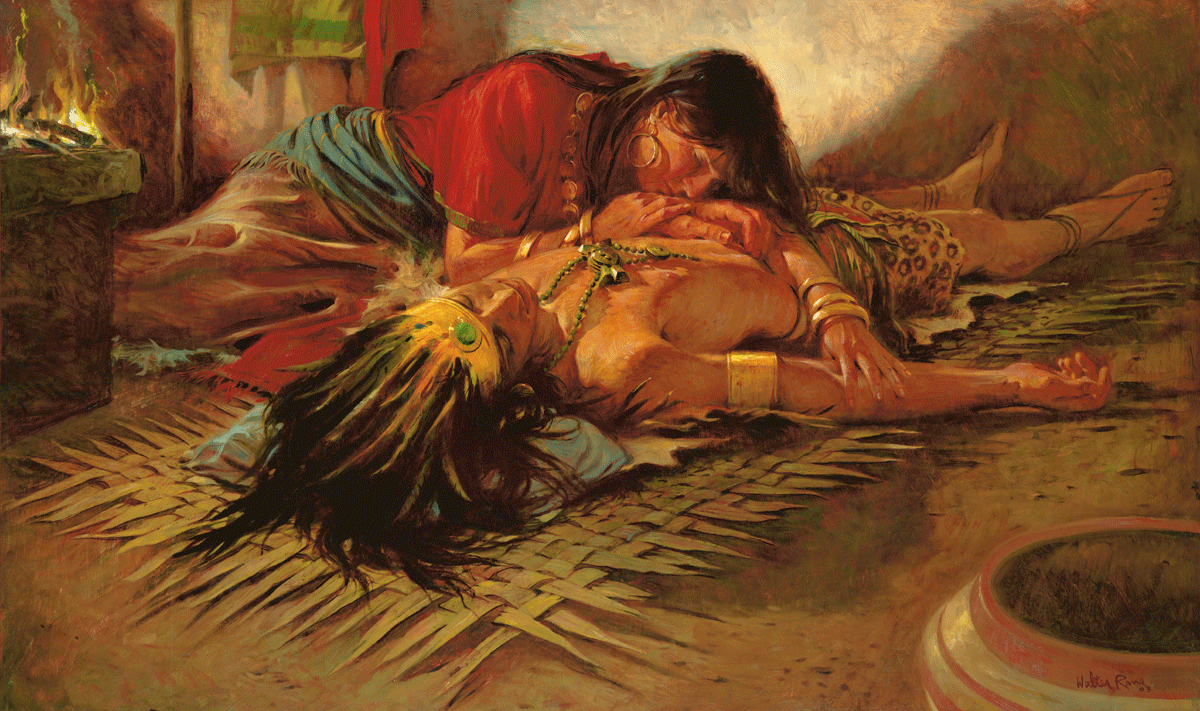
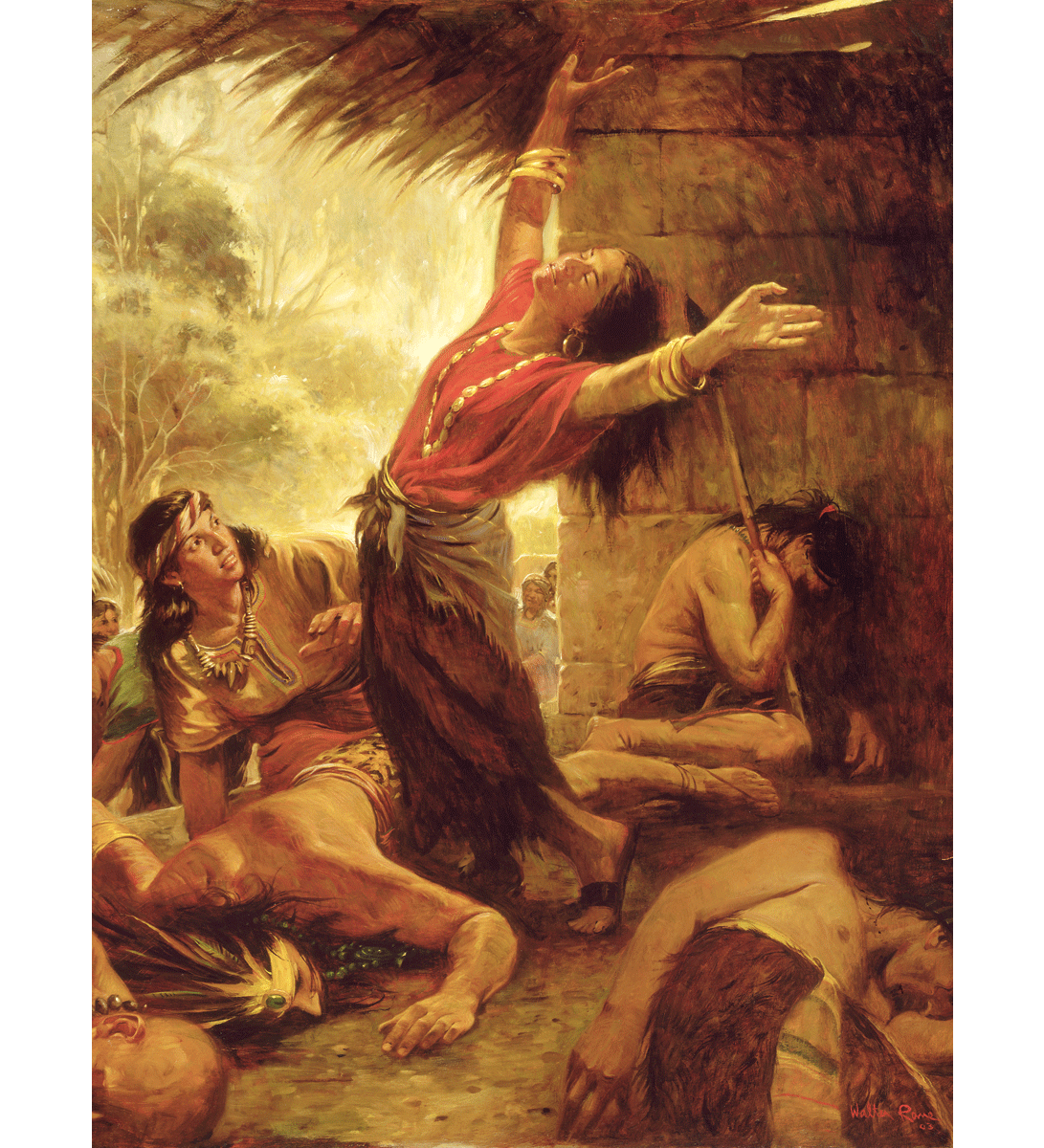
Walter Rane
Carol Dunford Jackman
Krista Jones
Jody Livingston
Katie Payne
Clark Kelley Price


Bibliography & Additional Resource
- Included in Outline Summaries above
BYU’s RSC
Video: Summary of Lesson Resources for July 1-7
“Instruments in the Hands of God”: The Message of Alma 17–27
“With Power and Authority of God”: Principles of Missionary Success
Books
The Book of Mormon Made Easier Set, With Included Chronological Map (Gospel Study)
Beholding the Tree of Life: A Rabbinic Approach to the Book of Mormon
Gathered in One: How the Book of Mormon Counters Anti-Semitism in the New Testament
Days of Awe: Jewish Holy Days, Symbols and Prophecies for Latter-day Saints